
Most people assume the driver who hit them is the only person responsible. That’s the first layer. But FedEx delivery truck accidents involve a corporate structure built to make liability confusing — and most injured people never learn this until it’s too late.
Here’s what we see play out in Greenwood Village cases near the DTC corridor. Someone gets hit by a FedEx truck on Yosemite Street or near the I-25 and Orchard Road interchange. They file a claim against the driver. The driver’s insurance comes back with a low offer. And the injured person takes it — they don’t realize two other parties may owe them money.
Layer One: The Driver
The driver is the most obvious party. If they ran a red light, were speeding through the Landmark area, or were distracted by a delivery scanner, they carry personal fault. Colorado’s modified comparative negligence rule under C.R.S. § 13-21-111 means the driver’s percentage of fault matters directly to what you can recover. But the driver alone rarely has enough insurance to cover serious injuries.
Layer Two: The Contractor Company
This is the layer most people miss entirely. FedEx Ground doesn’t employ most of its delivery drivers directly. It uses independent service providers — sometimes called ISPs — small companies that contract with FedEx to handle specific routes. The driver on your Greenwood Village street likely works for one of these contractors.
That contractor carries its own commercial insurance policy. And you can file a claim against that company if the driver was working within the scope of their job when the crash happened. We’ve seen cases where the contractor’s policy limits run much higher than the driver’s personal coverage. Skipping this layer means leaving real money behind.
Layer Three: FedEx Corporation Itself
FedEx has spent years building a legal wall between itself and its drivers. The contractor model exists partly for this reason. But that wall isn’t bulletproof.
If FedEx controlled the driver’s route, set delivery time pressures, required specific vehicles, or pushed work schedules that forced drivers to rush through DTC Parkway during evening commute traffic, a real argument exists that FedEx bears direct responsibility. Colorado courts look at the actual relationship — not just the contract language. Did FedEx tell the driver where to go and when? Did they control the branding on the truck? Did they set performance standards that created pressure to cut corners? These facts matter.
Here’s why all three layers matter at once. FedEx’s legal team will argue the contractor is solely responsible. The contractor will point blame at the driver. The driver’s insurance will try to minimize everything. Each side plays hot potato with your claim. Without a FedEx truck accident lawyer who understands this three-party structure, you’re negotiating against people who do this every single day — and you’re doing it alone.
The Runaround Is Not an Accident. It Is How the System Is Built.
Here’s what we see play out over and over in Greenwood Village. You file a claim after a FedEx truck accident. You expect one insurance company to handle it. Instead, you get three or four different adjusters calling you, each one pointing a finger at someone else.
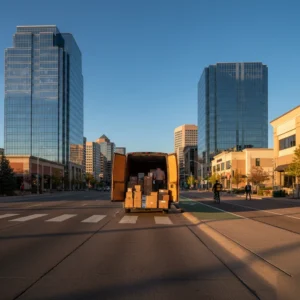 That’s not a mistake. That is the system working exactly how it was designed.
FedEx’s corporate structure creates layers between you and any real money. The driver might be employed by a contractor operating as FedEx Ground. That contractor carries its own insurance. FedEx Corporate carries separate coverage. The vehicle might be leased through yet another company. Each entity has its own adjuster, its own defense lawyer, and its own strategy. And every one of them has the same goal — make you think someone else should pay.
Adjusters are counting on you not knowing this. They count on you getting tired and frustrated, then accepting a low offer from the first friendly voice on the phone just so the calls stop.
A client gets hit near Fiddler’s Green or on Orchard Road. They call FedEx’s 1-800 number. They get transferred. They leave messages. Two weeks later, a contractor’s insurance adjuster calls and offers to cover “some medical bills.” No mention of lost wages. No mention of future treatment. No mention of pain and suffering. That first offer is a test. They want to see if you’ll bite.
How the Deflection Game Works Step by Step
Once you understand the pattern, you can spot it right away.
FedEx Corporate’s claims team tells you the driver wasn’t their employee and sends you to the contractor. The contractor’s insurer says the accident happened during a FedEx route, so FedEx should cover it. Both sides slow-walk document requests while your medical bills pile up. Someone offers you a settlement that covers maybe 20% of your actual damages. If you push back without a lawyer, both sides go quiet and wait for the three-year statute of limitations under C.R.S. § 13-80-101 to start pressuring you.
Here’s the part most people miss. Colorado’s modified comparative negligence rule under C.R.S. § 13-21-111 means they only need to pin 50% of fault on you to wipe out your entire claim. So while you’re stuck in the runaround, their adjusters are building a file. Pulling your phone records. Checking whether you were in a crosswalk. Looking at whether you braked soon enough. Every week you spend confused is a week they spend preparing.
This is exactly why having a FedEx truck accident lawyer matters early. Not after you’ve given three recorded statements. Not after you’ve signed a medical release that hands over your entire health history. Before any of that.
For a free legal consultation, call (303) 465-8733
What to Do Right After a FedEx Truck Hits You Near the DTC
The first few minutes matter more than most people expect. A FedEx truck crash along the DTC corridor is not the same as a fender bender with another commuter. There are details you need to capture that most people don’t think to get.
Call 911 and stay where you are. Even if you feel okay, get police and EMS to the scene. Along Greenwood Village roads like DTC Boulevard and Fiddler’s Green Circle, traffic moves fast. Officers from the Greenwood Village Police Department will document the crash and create a report. That report becomes a key piece of evidence. Don’t let anyone talk you out of calling.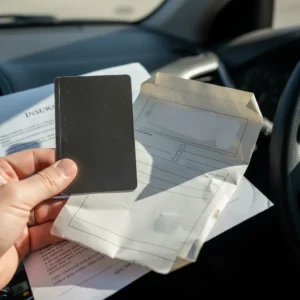
Get the truck’s information. This is where FedEx crashes get tricky. Write down or photograph the truck number on the side of the vehicle, the license plate, and the driver’s name. Also look for a DOT number and the company name printed on the truck. Some FedEx trucks are driven by independent contractors operating under a separate business name — that detail changes who you can hold responsible. Most people don’t realize this until it’s too late.
Take photos of everything. The truck’s position, your vehicle’s damage, skid marks, traffic signals, and any packages or debris in the road. Get wide shots that show the full intersection or stretch of road. If you’re near the I-25 and Orchard Road interchange or along Yosemite Street, capture the lane markings and signage. These details disappear fast once the scene is cleared.
Talk to witnesses. Office workers, other drivers, pedestrians heading to lunch. The DTC area is busy during business hours, so there are usually people around. Get names and phone numbers. A witness who saw the FedEx truck run a red light or fail to signal is worth more than almost any other piece of evidence.
Don’t give a recorded statement to any insurance company. Not FedEx’s insurer. Not the contractor’s insurer. Not even your own, if you can avoid it right away. Most people don’t know they have no legal obligation to give a recorded statement at the scene or in the days after. Adjusters call fast, sound friendly, and ask questions designed to get you to say something that hurts your claim.
Get medical attention the same day. Sky Ridge Medical Center sits close to the DTC corridor. Go there or to an urgent care. Some injuries from a truck crash don’t show up for hours or even days. If you wait a week to see a doctor, the insurance adjuster will argue you weren’t really hurt. We’ve seen this play out hundreds of times.
One more thing. FedEx trucks often carry dashcam footage and electronic logging device data. That evidence can disappear quickly if no one sends a preservation letter right away. This is one reason talking to a FedEx truck accident lawyer early matters so much — the data doesn’t wait for you to be ready.
Colorado’s statute of limitations for motor vehicle accidents is three years under C.R.S. § 13-80-101. That sounds like a long time. It isn’t when critical evidence is vanishing within days of the crash.
Frequently Asked Questions
Is FedEx directly responsible if one of their trucks hits me on Yosemite Street or near Orchard Road?
FedEx may share responsibility, but it depends on how much control they had over the driver. FedEx Ground uses independent contractors, not direct employees, to run most routes. That means the contractor company is often the first liable party. But if FedEx set the route, the schedule, or the performance standards that caused the driver to rush, FedEx Corporation itself can be held responsible too. Don’t assume FedEx is off the hook just because the driver worked for a contractor.
What is an independent service provider, and why does it matter to my accident claim?
An independent service provider, or ISP, is a small company that contracts with FedEx Ground to handle specific delivery routes. The driver who hit you likely works for one of these ISPs, not FedEx directly. This matters because the ISP carries its own commercial insurance policy. That policy may have higher limits than the driver’s personal coverage. If you only file a claim against the driver, you may miss the ISP’s policy entirely — and leave real compensation behind.
How does Colorado’s comparative negligence rule affect my FedEx truck accident case in Greenwood Village?
Colorado follows a modified comparative negligence rule under C.R.S. § 13-21-111. This means if you are found 50% or more at fault, you cannot recover anything. Even below that threshold, your compensation is reduced by your share of fault. FedEx’s legal team and the contractor’s insurer may try to pin partial blame on you to lower what they owe. This is a common tactic in DTC corridor cases where traffic patterns and intersections make fault easy to dispute. Understanding this rule early protects you.
Why do I keep getting transferred between different insurance adjusters after a FedEx delivery truck accident?
Getting passed between adjusters is not a mistake — it reflects how FedEx’s corporate structure is built. The driver, the contractor company, FedEx Corporate, and sometimes a vehicle leasing company each carry separate insurance. Each adjuster represents a different entity, and each one will point blame at someone else. This back-and-forth is designed to wear you down. Many people accept a low early offer just to stop the calls. If you want to understand all three layers of liability before making any decisions, the FedEx truck accident parent page walks through how these claims are built from the ground up.
Does the three-year statute of limitations in Colorado give me enough time to sort out who to sue?
Three years sounds like a long time, but it moves faster than most people expect. Under C.R.S. § 13-80-101, you have three years from the date of the accident to file a claim in Colorado. The problem is that FedEx’s legal team and the contractor’s insurer know this deadline too. Slow-walking document requests and delaying responses are tactics used to run out the clock. Starting the process early — especially when multiple parties are involved — gives you more time to build a complete claim against all responsible parties.
What common mistake do people make right after a FedEx truck hits them near the DTC corridor?
The most common mistake is accepting the first offer from the contractor’s insurance adjuster. That first call often comes quickly, and the offer may cover some medical bills. But it rarely includes lost wages, future treatment costs, or pain and suffering. Accepting it usually means signing away your right to pursue FedEx Corporate or any other party. Near high-traffic areas like DTC Parkway and Fiddler’s Green, where FedEx routes run constantly, these early offers are a test — not a fair settlement.