
Here’s the most important thing you need to know. Under C.R.S. § 13-80-101, you have three years from the date of a distracted driving accident to file a lawsuit in Colorado. Miss that date and the court throws your case out. It doesn’t matter how strong your evidence is. It doesn’t matter how badly you were hurt. Three years, and the door slams shut.
That sounds like plenty of time. It’s not.
We’ve watched this play out hundreds of times. Someone gets rear-ended on Arapahoe Road by a driver who was scrolling their phone. They deal with the ER visit, the follow-up appointments, the missed work. They figure they’ll get to the legal stuff later. Months pass. Then a year. Then the insurance company starts dragging its feet on purpose — because they know the clock is ticking even if you don’t.
Insurance companies are counting on you not knowing this. They’ll slow-walk your claim, ask for the same documents twice, and go quiet for weeks at a time. Every delay eats into your three years. Once that deadline expires, you lose all leverage. The insurer doesn’t have to offer you a single dollar.
Why the Clock Starts on the Crash Date
Colorado’s three-year window begins on the day of the accident itself. Not the day you get a diagnosis. Not the day you realize your injuries are serious. The crash date.
So if a distracted driver hit you on June 15, 2024 along I-25 near the DTC, your filing deadline is June 15, 2027. There are very limited exceptions for minors or people who are mentally incapacitated — but for most adults the rule is firm.
Here’s something most people don’t find out until it’s too late. If the distracted driver who hit you was operating a government vehicle, or working for a government entity like CDOT or the City of Greenwood Village, you face a much shorter timeline. The Colorado Governmental Immunity Act requires you to file written notice within 182 days. That’s roughly six months. Not three years. Six months. Missing this deadline kills the case entirely.
The Wrongful Death Exception
If a distracted driving accident in Greenwood Village or the surrounding Arapahoe County area resulted in a death, the timeline shrinks further. Colorado’s wrongful death statute of limitations is two years under C.R.S. § 13-21-204. Not three. And only certain family members can file during specific windows. A surviving spouse has priority in the first year. Spouses and children can both file in year two.
The bottom line is simple. Three years feels long. It goes fast. Medical treatment alone can take 18 months or more before you reach maximum medical improvement. Your attorney needs time to pull phone records, get the other driver’s data, work with accident reconstruction experts, and build a case that holds up in court. Starting late means cutting corners. Cutting corners means leaving real money on the table.
Filing an Insurance Claim Is Not the Same as Filing a Lawsuit
This is where people get tripped up the most. Someone gets hit by a distracted driver on Arapahoe Road or near the I-25 interchange, files an insurance claim right away, and thinks the clock stops. It doesn’t.
An insurance claim is just a request for payment. You’re asking the at-fault driver’s insurance company to cover your damages. No court is involved. No judge sees your case. And filing that claim does nothing to pause or extend the three-year statute of limitations under C.R.S. § 13-80-101. The statute of limitations only applies to lawsuits. Two completely different processes, running on two completely different tracks.
Why Insurance Companies Love This Confusion
Insurance companies are counting on you not knowing this. They’ll drag out your claim with requests for more documents, more medical records, another recorded statement. They’ll schedule an “independent” medical exam. Months pass. Then a year. Then two. The whole time, your statute of limitations is ticking down.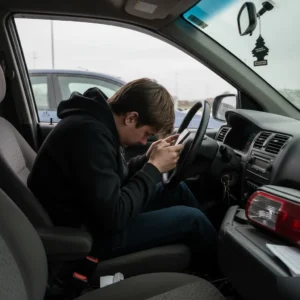
We’ve seen this pattern more times than we can count. A Greenwood Village resident gets rear-ended by someone texting near the DTC office buildings along DTC Parkway. The adjuster is friendly at first and keeps saying they’re “reviewing” the file. The injured person waits because the process seems to be moving along. Then the adjuster makes a lowball offer at month 30. The person says no. Now they’ve got six months to file a lawsuit, find an attorney, gather evidence, and get everything to court. That’s not enough time to build a strong case. And the insurance company knew that from the start.
What You Should Know About the Timeline
You can file an insurance claim and prepare a lawsuit at the same time. That’s exactly what a distracted driving accident lawyer should be doing on your behalf. The insurance negotiation happens at the same time as lawsuit preparation. One doesn’t replace the other.
Think of it this way. The insurance claim is the conversation. The lawsuit is the leverage. Without the real threat of a lawsuit, the insurance company has no reason to offer you fair compensation. They know you can’t force them to pay without a court order.
Don’t let an open insurance claim give you a false sense of security. The three-year deadline under C.R.S. § 13-80-101 keeps running no matter what the adjuster tells you on the phone. If you’ve been going back and forth with an insurance company after a distracted driving accident, it’s worth talking to someone who can tell you exactly where you stand on the timeline. That conversation costs you nothing — but waiting too long could cost you everything.
For a free legal consultation, call (303) 465-8733
Tolling Exceptions That Can Extend or Pause the Deadline
The three-year clock under C.R.S. § 13-80-101 isn’t always simple. Certain situations can pause it. Others can shorten it fast. People often assume the deadline is straightforward — sometimes it is, but not always.
Colorado law recognizes several “tolling” exceptions. Tolling means the clock stops running for a period of time. Think of it like hitting pause on a timer. The deadline doesn’t go away — it just shifts forward.
When the Injured Person Is a Minor
If a child is hurt in a distracted driving accident, the statute of limitations doesn’t start until they turn 18. A 10-year-old injured in a crash near the Landmark district in Greenwood Village wouldn’t face the three-year deadline until age 21.
This matters more than people realize. Parents sometimes settle a child’s claim early without understanding the full scope of injuries that may show up years later.
When the Injured Person Has a Mental Incapacity
A person who suffers a serious brain injury in a distracted driving accident may not be mentally capable of pursuing a claim right away. Colorado law can pause the statute during the period of incapacity. Some clients have spent months in cognitive rehab after a crash on I-25 near Arapahoe Road, unable to manage their own legal affairs. The clock paused during that time. But proving incapacity requires medical records — you can’t just claim it after the fact.
When the At-Fault Driver Leaves Colorado
If the distracted driver who hit you leaves the state, the time they’re away from Colorado may not count toward the three-year limit. This comes up more than you’d think along the DTC corridor, where out-of-state business travelers cause crashes and then go back home. The tolling provision exists because you can’t serve someone with a lawsuit if they aren’t here.
The Government Entity Exception That Catches Everyone Off Guard
This is the big one. If a government vehicle or employee caused your distracted driving accident, the rules change completely. Under the Colorado Governmental Immunity Act under C.R.S. § 24-10-109, you must file written notice within 182 days. Not three years. Not two years. About six months.
That applies to crashes involving CDOT vehicles, City of Greenwood Village fleet cars, RTD buses, or any government employee driving on duty. Miss that 182-day notice and your claim is dead.
We’ve seen it happen. Someone waits a few months to talk to a lawyer after being rear-ended by a city maintenance truck near Orchard Road. By the time they call, the window is almost shut. And the notice rules are strict about what you include — the wrong format or missing details can sink you just as fast as missing the deadline entirely.
If your distracted driving accident involved any connection to a government entity, talk to a distracted driving accident lawyer right away. Don’t guess.
If you’re unsure whether any of these tolling exceptions apply to your situation, the team at Jordan Law can review the facts and tell you exactly where you stand. Our Greenwood Village office is located at 5445 DTC Parkway.
Frequently Asked Questions
How long do I have to file a distracted driving accident claim in Colorado?
You have three years from the date of the crash to file a lawsuit under C.R.S. § 13-80-101. That clock starts on the day of the accident, not the day you get a diagnosis. Three years sounds like a lot, but medical treatment alone can take 18 months or more. Insurance companies often slow-walk claims on purpose, eating into your time. If you were hurt near Arapahoe Road or the DTC corridor, don’t wait to speak with an attorney.
Does filing an insurance claim stop the statute of limitations clock in Colorado?
No — filing an insurance claim does not pause or extend the three-year statute of limitations. An insurance claim and a lawsuit are two separate processes. Filing a claim just asks the insurer to pay. It does not involve a court. The three-year deadline under C.R.S. § 13-80-101 keeps running the whole time. Many Greenwood Village residents make this mistake and lose their right to sue. A distracted driving accident attorney can run both tracks at the same time to protect you.
What happens if the distracted driver who hit me was driving a government vehicle in Greenwood Village?
Your deadline drops from three years to just 182 days — roughly six months. The Colorado Governmental Immunity Act requires written notice within that window if the at-fault driver worked for a government entity, like CDOT or the City of Greenwood Village. Missing that notice deadline ends your case entirely. If you were hit near Orchard Road or Belleview Avenue and the other driver was in a government vehicle, act immediately. This shorter timeline catches many people off guard.
Is the statute of limitations different for a wrongful death claim after a distracted driving crash?
Yes — wrongful death claims in Colorado have a two-year deadline, not three, under C.R.S. § 13-21-204. That’s one full year shorter. Only certain family members can file, and the filing window depends on who they are. A surviving spouse has priority in the first year. Spouses and children can both file in year two. If a distracted driving accident in the Arapahoe County area took a loved one’s life, the shorter timeline makes early legal guidance even more important.
What is a common mistake people make after a distracted driving accident near the DTC?
The most common mistake is waiting too long because the insurance process feels like it’s moving forward. Adjusters near busy corridors like DTC Parkway often stay friendly and keep “reviewing” your file for months. People assume the process is working. Then a lowball offer arrives at month 30, leaving only six months to build a real lawsuit. That’s not enough time. Our distracted driving accident resource page explains how the legal process works so you can avoid this trap.
When should a Greenwood Village resident talk to an attorney after a distracted driving accident?
Talk to an attorney as soon as possible after the crash — ideally within the first few weeks. Phone records, traffic camera footage near I-25 or Arapahoe Road, and witness accounts all become harder to obtain over time. Your attorney needs that evidence to build a strong case. Waiting until the insurance company makes an offer puts you at a real disadvantage. Starting early gives your legal team time to work without cutting corners.