
A motorcycle crash near the I-25 and Arapahoe Road interchange can turn deadly fast. Traffic doesn’t stop for you. Cars merge at highway speed while you’re still on the ground. The on-ramps feeding into the Denver Tech Center don’t give drivers much time to react. Your first job after a crash isn’t calling a lawyer or grabbing your phone. It’s staying alive.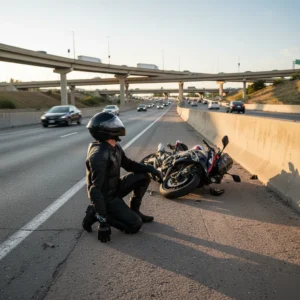
The interchange at Arapahoe Road is one of the busiest in the south metro. Vehicles weave between on-ramps, off-ramps, and DTC feeder lanes all at once. State crash data puts the I-25 corridor through Arapahoe County near the top for serious injury collisions year after year. Riders who go down here face a real risk of getting hit again by drivers who can’t see them or can’t stop in time.
Get Off the Road If You Can
If you can move, get yourself and your bike out of the travel lanes. That sounds obvious. But adrenaline does strange things. People freeze. They sit in the road trying to figure out what hurts while a line of SUVs comes at them at 65 miles per hour. If your legs work, drag yourself to the shoulder or the median. Even 10 feet can save your life.
If you can’t move, don’t force it. A spinal injury can go from serious to permanent with the wrong movement. Stay still. Wave your arms. Yell. Do anything to make yourself visible to oncoming traffic.
Call 911 Before Anything Else
Colorado law doesn’t require you to move your vehicle after a crash if someone is hurt. Call 911 right away. Tell the dispatcher your exact location, your direction of travel, and that you’re a motorcyclist down on the highway. South Metro Fire Rescue covers this part of Greenwood Village and responds to crashes at this interchange regularly.
Here’s something most riders don’t think about in the moment. The 911 call creates a time-stamped record. That record matters months later when the insurance company tries to argue you weren’t really hurt or that you waited too long to report the crash. Insurance companies are counting on you not knowing this.
Don’t Remove Your Helmet
If you’re wearing a helmet, leave it on. Colorado’s helmet law under C.R.S. § 42-4-1502 makes helmets optional for riders 18 and older, so many riders go without one. But if you do have a helmet on after a crash, pulling it off the wrong way can make a neck or spinal injury much worse. Let the paramedics handle it.
If you weren’t wearing a helmet, know that the other driver’s insurance company will use that against you. They’ll raise comparative negligence under C.R.S. § 13-21-111 and argue your injuries are worse because of your own choice. That argument can reduce what you recover. It won’t kill your claim entirely, but it’s a tactic we see in nearly every motorcycle crash case — and they push it hard.
Your body is the crumple zone on a motorcycle. No airbag. No frame absorbing the hit. Every second you spend exposed on I-25 near Arapahoe Road is a second where things can get worse. Protect yourself first. The evidence, the insurance calls, the legal strategy — all of that can wait until you’re safe.
Steps to Take at the Scene Before You Leave
Your body is full of adrenaline. Your bike might be in pieces. But the next ten minutes matter more than most riders realize. They can shape your entire motorcycle accident claim in ways that are very hard to fix later.
Riders lose real money in recovery because they left the scene without doing a few basic things. Not because they were careless. Because nobody told them what to do. Here’s what you need to do while you’re still there.
1. Stay Put and Call 911
Colorado law requires you to stay at the scene of any crash involving injury or property damage. Call 911 right away — even if you feel okay, even if the other driver says “let’s just handle this between us.” A police report from the Greenwood Village Police Department creates an official record, and that record matters. Insurance companies treat crashes without police reports as less serious. They will use that gap against you every time.
2. Get Medical Attention on Scene
When paramedics arrive, let them check you out. Say yes to the evaluation. Motorcycle crash injuries — internal bleeding, fractures, mild brain injuries — don’t always show up right away. If you refuse treatment at the scene, the insurance adjuster will point to that refusal months later. They’ll say: “If you were really hurt, you would have accepted help.” It’s a simple argument. It works.
3. Document Everything With Your Phone
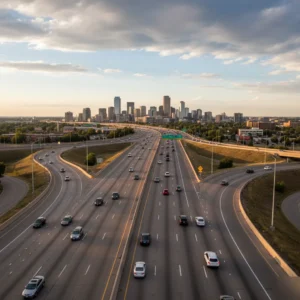 If you’re physically able, pull out your phone. Take photos of your motorcycle from every angle. Get the other vehicle’s damage, its license plate, the road surface, skid marks, traffic signals, and any debris in the road. On Yosemite Street near the Arapahoe Road interchange, traffic patterns shift fast. Photos capture what words can’t explain to an adjuster or a jury six months later.
Take wide shots showing the whole intersection. Then get close-ups of your gear, your helmet, and any visible injuries on your body. Don’t skip the gear — a shredded jacket tells a story about impact that no written description can match.
4. Talk to Witnesses Before They Leave
People scatter fast. If someone saw what happened, get their name and phone number. That’s it — you don’t need a formal statement. Just contact info. A witness who saw the other driver run a red light or fail to yield is worth more than almost any other piece of evidence you can collect.
5. Exchange Information, But Watch What You Say
Get the other driver’s name, insurance details, and license plate number. And here’s the part most people don’t realize until it’s too late — don’t apologize. Don’t say “I’m sorry” or “I didn’t see you coming.” Colorado’s modified comparative negligence rule under C.R.S. § 13-21-111 means the other side will use your own words to argue you were partly at fault. Push your share of fault to 50% or higher, and you recover nothing. Zero.
Insurance companies are counting on you not knowing this.
6. Don’t Move Your Motorcycle Unless You Have To
If your bike isn’t blocking traffic or creating a hazard, leave it where it landed. The position of the vehicles tells a story about speed, direction, and point of impact. Once everything gets moved, that story disappears. If you do need to move for safety, photograph the original positions first — before anything shifts.
Riders near the DTC corridor often feel pressure from other drivers to clear the road fast. Rush hour on Arapahoe Road backs up quickly and people get impatient. Your claim is more important than someone else’s commute.
For a free legal consultation, call (303) 465-8733
Adrenaline Hides Injuries — Get Medical Care the Same Day
Your body lies to you after a motorcycle crash. Adrenaline floods your system within seconds of impact and blocks pain signals that would otherwise stop you cold. Riders have walked around at the scene near I-25 and Arapahoe Road, talked to police, even helped pick up their bike — then collapsed in real pain 36 hours later when the adrenaline wore off.
This is the single biggest mistake motorcycle crash victims make in Greenwood Village. They feel okay at the scene, so they skip the hospital.
Here’s what adrenaline can hide from you:
- Internal bleeding in your abdomen or chest that won’t show symptoms for hours
- Hairline fractures in your wrists, ribs, or pelvis that only hurt once swelling sets in
- Traumatic brain injury from your helmet hitting pavement, even if you never lost consciousness
- Soft tissue tears in your shoulders and knees that get worse with every step
By the time you realize something is wrong, you’ve lost critical hours of documentation. And the insurance company now has a gap in your medical timeline they can use against you.
And they will use it.
Insurance adjusters are trained to look for delays in treatment. If you crash on Yosemite Street during the Thursday evening commute and don’t see a doctor until Monday, the other driver’s insurer will argue your injuries didn’t come from the crash. They’ll say you must have hurt yourself doing something else over the weekend. It sounds absurd. But it works when your medical records don’t back you up.
Where to Go for Care After a Motorcycle Crash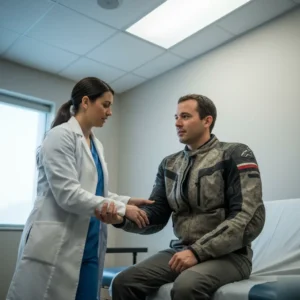
If you feel any dizziness, chest tightness, or confusion at the scene, let paramedics take you in. Sky Ridge Medical Center is the closest Level II trauma center to the Arapahoe Road corridor near I-25. That matters because motorcycle crash injuries often involve multiple systems that urgent care clinics aren’t built to catch.
Even if you feel fine at the scene, go to an emergency room or urgent care that same day. Tell them you were in a motorcycle crash. Ask for imaging. Be specific about every part of your body that made contact with the road, the other vehicle, or your own bike. Don’t downplay it. The notes from that first visit become the foundation of your entire injury claim.
Colorado’s modified comparative negligence rule under C.R.S. § 13-21-111 means the insurance company only needs to push your fault to 50% to wipe out your recovery completely. A gap in medical treatment gives them the ammunition to argue your injuries are exaggerated or unrelated to the crash. Same-day medical records take that argument off the table.
Your medical records are your case. Not your photos. Not your witness statements. Not even the police report — those all help, but medical records are what insurance companies and juries actually rely on to decide what your injuries are worth. If your first doctor visit is four days after the crash instead of four hours, you’ve handed the defense a gift they didn’t earn.
Get checked out. Even if you think you’re fine. Especially if you think you’re fine.
Frequently Asked Questions
Should I move my motorcycle off the road after a crash on I-25 near Arapahoe Road?
Should I move my motorcycle off the road after a crash on I-25 near Arapahoe Road?Move yourself and your bike off the travel lanes only if you can do so safely. The I-25 and Arapahoe Road interchange has fast-moving merge traffic that doesn’t slow down for a downed rider. If you’re injured or can’t move the bike without risk, stay put and focus on making yourself visible. Colorado law does not require you to move your vehicle after a crash if someone is hurt. Call 911 first and let South Metro Fire Rescue handle the scene safely.
What is a common mistake riders make right after a crash on Yosemite Street?
What is a common mistake riders make right after a crash on Yosemite Street?The biggest mistake is refusing medical evaluation at the scene. Many riders feel okay right after a crash because adrenaline masks pain. Internal injuries, fractures, and mild traumatic brain injuries often don’t appear right away. If you wave off the paramedics, the insurance adjuster will use that against you later. They’ll argue you weren’t seriously hurt because you turned down help. Accepting the on-scene evaluation protects both your health and your ability to recover damages.
Does not wearing a helmet in Greenwood Village affect my crash claim?
Does not wearing a helmet in Greenwood Village affect my crash claim?Yes, it can reduce what you recover, but it won’t end your claim entirely. Colorado’s helmet law under C.R.S. § 42-4-1502 makes helmets optional for riders 18 and older. But the other driver’s insurance company will raise comparative negligence under C.R.S. § 13-21-111 and argue your injuries are worse because you chose not to wear one. This is a standard tactic in nearly every motorcycle crash case in Greenwood Village. Understanding how comparative negligence works is covered in more depth on the motorcycle accident lawyer page.
Why does the 911 call matter so much after a motorcycle crash?
Why does the 911 call matter so much after a motorcycle crash?The 911 call creates a time-stamped record that can protect you months later. Insurance companies sometimes argue that a rider wasn’t really injured or waited too long to report the crash. A recorded call with your exact location, direction of travel, and injury report makes that argument much harder to sell. It also gets South Metro Fire Rescue to the scene fast, which matters on a busy corridor like the I-25 and Arapahoe Road interchange where secondary impacts are a real danger.
How do traffic conditions near the Arapahoe Road interchange make crashes more dangerous?
How do traffic conditions near the Arapahoe Road interchange make crashes more dangerous?The I-25 and Arapahoe Road interchange feeds the Denver Tech Center, so vehicles are constantly weaving between on-ramps, off-ramps, and feeder lanes at highway speed. CDOT crash data places the I-25 corridor through Arapahoe County consistently near the top for serious injury collisions (SOURCE TBD). A downed rider in this area faces a high risk of secondary impact because drivers have very little reaction time. Getting off the travel lanes immediately, even just 10 feet, can make a life-or-death difference.
What should I photograph at the crash scene on Yosemite Street before I leave?
What should I photograph at the crash scene on Yosemite Street before I leave?Photograph everything you can before anyone moves the vehicles. Get wide shots of the full intersection, then close-ups of your motorcycle, the other vehicle’s damage, its license plate, skid marks, road surface, and any traffic signals. On Yosemite Street near Arapahoe Road, lanes merge and sight lines shift quickly, so photos capture details that are hard to describe later. Also photograph your riding gear and any visible injuries. A shredded jacket tells an adjuster or jury exactly how hard the impact was.