
This is the part that gets people in trouble. You feel sore but okay. Maybe your neck hurts a little. You figure it’ll pass in a few days. And right then, while you’re still in that “it’s probably nothing” phase, the adjuster calls.
That timing is not a coincidence.

Insurance adjusters go through training programs that teach them exactly when to reach out. The goal is simple: get you talking before you’ve seen a doctor, before you’ve had an MRI, before a specialist has told you what’s actually going on inside your body. We’ve seen this play out hundreds of times at our Greenwood Village office. Someone gets rear-ended near the I-25 and Arapahoe interchange, talks to an adjuster the next morning, says “I’m a little sore but doing okay,” and that statement ends up in the claim file forever.
Here’s what most people don’t realize. Many serious crash injuries don’t show up right away. Herniated discs can take weeks to produce symptoms. Concussions sometimes feel like a headache for days before the fog, memory problems, and mood changes kick in. Soft tissue tears might not fully present until swelling goes down and the real damage becomes clear.
Why the Rush Matters to the Insurance Company
The adjuster’s job is to lock in your story early. If you say “I feel fine” on day one, they’ll use that against you on day sixty when your doctor finds a torn rotator cuff or a mild traumatic brain injury. Colorado’s modified comparative negligence rule under C.R.S. § 13-21-111 already gives insurance companies room to argue you were partly at fault. They don’t need more ammunition, but your early recorded statement hands it to them anyway.
Picture a Wednesday evening crash driving home through the DTC corridor. Thursday morning the adjuster calls. You’re stiff but moving around. You tell them you went to urgent care and nothing was broken. The adjuster writes all of this down. Three weeks later your doctor orders imaging and finds two herniated discs pressing on a nerve. Now the insurance company points back to your own words and argues those disc injuries must have come from somewhere else.
We see this mistake all the time.
“I have people tell me all the time, ‘I’ve been dealing with this insurance company for 20 years and they’ve always treated me great.’ And I say, ‘Have you ever made a claim?’ and they say, ‘no.’ Well, ok, so the person who has been taking your money has been treating you great. Not surprising. Wait till you go to the claims department.”, Jason Jordan, Founding Partner
The claims department runs on a different set of rules than the sales department. Adjusters are measured on how much they save the company, not on how fairly they treat you. Their training covers how to build rapport fast, how to ask open-ended questions that get you to minimize your pain, how to steer conversations toward statements they can use later. Insurance companies count on you not knowing this.
So what do you do? Don’t give a recorded statement before you’ve had a full medical workup. You’re not required to under Colorado law. Be polite, give your name and basic contact information, and tell them your attorney will be in touch. If you’ve been injured in a collision in Greenwood Village or anywhere nearby, talk to a reliable car accident lawyer before you talk to their adjuster. That one decision changes the entire direction of your claim.
The Insurance Company Has a Financial Reason to Settle Your Claim Fast
Every insurance company is a business. It wants to keep costs low. That’s not a secret. But most people don’t connect that fact to the phone call they get two days after a collision on I-25 near the Arapahoe Road interchange.
Here’s how it works in plain terms.
Insurance companies set aside money for every open claim. The industry calls this a “reserve.” The longer your claim stays open, the bigger that reserve might grow. More medical bills come in. You discover injuries you didn’t feel on day one. Maybe you need surgery three months out. Every new treatment raises the value of your case, and the insurer knows this before you do.
So the adjuster’s job is to close your file fast. Not next month. Now.
We’ve seen this play out with clients right here in Greenwood Village, people rear-ended near the office corridors along Orchard Road who felt sore but “okay.” The adjuster calls within 48 hours offering a few thousand dollars to “take care of everything.” That number sounds reasonable when you don’t yet know you have a herniated disc or a mild traumatic brain injury that won’t show symptoms for weeks.
What It Actually Costs You

The math is not kind. According to the Insurance Research Council, people who hire an attorney after a car accident receive settlements roughly 3.5 times higher than those who handle it themselves. That gap exists because attorneys know what injuries are actually worth over time. The adjuster calling you at home knows too, they’re just hoping you don’t figure it out before you sign something.
You sign a release for $4,000 on a Thursday. The following Monday your doctor orders an MRI revealing damage that requires months of physical therapy. That release? Final. You can’t go back. Colorado law treats that signed document as a done deal, no exceptions, no do-overs.
And remember Colorado’s modified comparative negligence rule under C.R.S. § 13-21-111. Insurance companies push hard on this. They’ll point to anything. You didn’t brake soon enough. You were looking at your phone. You weren’t wearing a seatbelt. If they can get your fault to 50% or higher, your recovery drops to zero. A fast settlement lets them lock in their version of events before you’ve had time to gather evidence that tells the real story.
The Reserves Game
Adjusters have internal targets. Their performance reviews often depend on closing claims under a certain dollar amount. The longer your claim stays open, the more likely a supervisor increases the reserve, and the company’s financial exposure goes up.
A quick close keeps the adjuster’s numbers looking good and the company’s quarterly earnings on track.
This isn’t a conspiracy theory. It’s a business model.
If you’ve been contacted by an adjuster after getting hurt on the road in Greenwood Village or anywhere along the I-25 corridor, you don’t have to answer their questions right now. You don’t have to accept their offer. Colorado gives you three years to file a motor vehicle accident claim under C.R.S. § 13-80-101. That’s your timeline, not theirs.
Before you sign anything or give a recorded statement, talk to a car accident lawyer who can tell you what your claim is actually worth. That one conversation could be the difference between a few thousand dollars and the full value of your injuries.
For a free legal consultation, call (303) 465-8733
What a Third-Party Adjuster Is Actually Trying to Accomplish on That First Call
The adjuster calling you doesn’t work for your insurance company. They work for the other driver’s insurer. That’s a big difference most people miss entirely. Their job is to protect their company’s money. Not yours.
We’ve seen this play out hundreds of times at our Greenwood Village office. Someone gets rear-ended near the I-25 and Arapahoe Road interchange, and before they’ve even picked up a prescription for pain medication, the other driver’s insurance adjuster is on the phone sounding like a friend. Friendly voice, real sympathy, maybe even an apology on behalf of their insured. But every word in that call has a purpose, and none of those purposes help you.
The Recorded Statement Trap
The first thing they want is a recorded statement. They’ll frame it casually. “We just need to get your side of things so we can move this along.” Sounds harmless. It isn’t. That recording becomes a locked-in version of events they can use against you later. You might say “I’m feeling okay” because you’re running on adrenaline. Three days later your back seizes up, you can’t get out of bed, and now there’s a recording of you saying you felt fine. Insurance companies count on you not knowing this.
Colorado’s modified comparative negligence law under C.R.S. § 13-21-111 means they only need to push your fault to 50% to wipe out your entire claim. So they’ll ask leading questions. “Did you see the other car before impact?” or “Were you checking your phone at all?” One wrong answer gives them something to work with, and they will work with it.
Locking You Into a Low Settlement
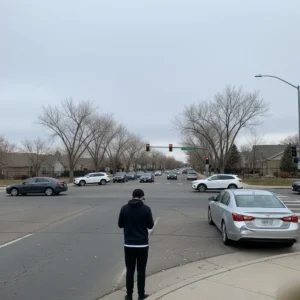
The second goal is more direct. They want to settle fast. They might offer a few thousand dollars to “help with your bills” in exchange for signing a release. That release kills your claim permanently. You can’t come back later when the MRI reveals a herniated disc or when you realize you’ll need months of physical therapy.
Here’s a scenario we see regularly. A driver gets hit along Orchard Road heading toward the Denver Tech Center. Minor damage to the car, some neck soreness. The adjuster calls within 48 hours offering $3,000. The driver thinks that sounds fair for a sore neck, but six weeks later they’re dealing with radiating arm pain, numbness in their fingers, and a neurosurgeon recommending surgery. That $3,000 release means they’re stuck covering tens of thousands in medical costs out of pocket.
There’s no cap on economic damages in Colorado. Medical bills, lost wages, future care costs. Those numbers add up fast, which is exactly why the insurer wants to close your file before you understand what your injuries really are. (Under HB 24-1472, effective January 1, 2025, noneconomic damages are capped at approximately $1.5 million, but economic damages remain uncapped entirely.)
Gathering Information You Don’t Realize You’re Giving
The third goal is intelligence gathering. They want details about your medical history, your daily routine, your job. They’ll ask about prior injuries to your back or neck. They’ll ask what doctors you’ve seen. Every answer helps them build a defense that your pain existed before the collision or that your injuries aren’t as serious as you claim.
Most people don’t realize this until it’s too late. You don’t owe the other driver’s insurance company a conversation. You don’t owe them a recorded statement. You don’t owe them access to your medical records. Colorado law doesn’t require any of it. If you were hurt in a collision anywhere in the Greenwood Village area, you can learn more about protecting yourself on our car accident lawyer page before you pick up that phone.
Frequently Asked Questions
Do I have to give a recorded statement to the other driver’s insurance company?
No. Colorado law does not require you to give a recorded statement to the other driver’s insurer. You can politely decline and tell them your attorney will be in touch. Your own insurance policy may require you to cooperate with your own insurer, but that’s a separate obligation from talking to the other side.
How soon after a collision will an insurance adjuster typically call?
Often within 24 to 48 hours. Some adjusters reach out the same day. The speed is intentional. They want to contact you before you’ve seen a doctor, before you understand the full extent of your injuries, and before you’ve had a chance to speak with an attorney.
Can I accept an offer and still file a lawsuit later?
No. When you sign a release as part of a settlement, you give up your right to pursue any further compensation for that incident. It doesn’t matter if new injuries surface or your medical costs turn out to be far higher than expected. The release is final under Colorado law.
What should I say if an adjuster calls me right after a collision?
Keep it short. Give your name and contact information. Tell them you’re still receiving medical treatment and that your attorney will follow up. Don’t describe your injuries, don’t say you feel fine, and don’t agree to a recorded statement. Polite and brief is the right approach.
How long do I have to file a car accident claim in Colorado?
Colorado’s statute of limitations for motor vehicle accident claims is three years under C.R.S. § 13-80-101. That means you have time to fully understand your injuries before making decisions. Don’t let an adjuster pressure you into settling in the first few days when you still don’t know the full picture.
Why does the insurance company want to settle so fast if my injuries might get worse?
Because a fast settlement saves them money. Once you sign a release, their financial exposure ends. If they wait, your medical bills grow, your diagnosis becomes clearer, and the value of your claim goes up. Closing your file quickly is a financial strategy, not a courtesy to you.