
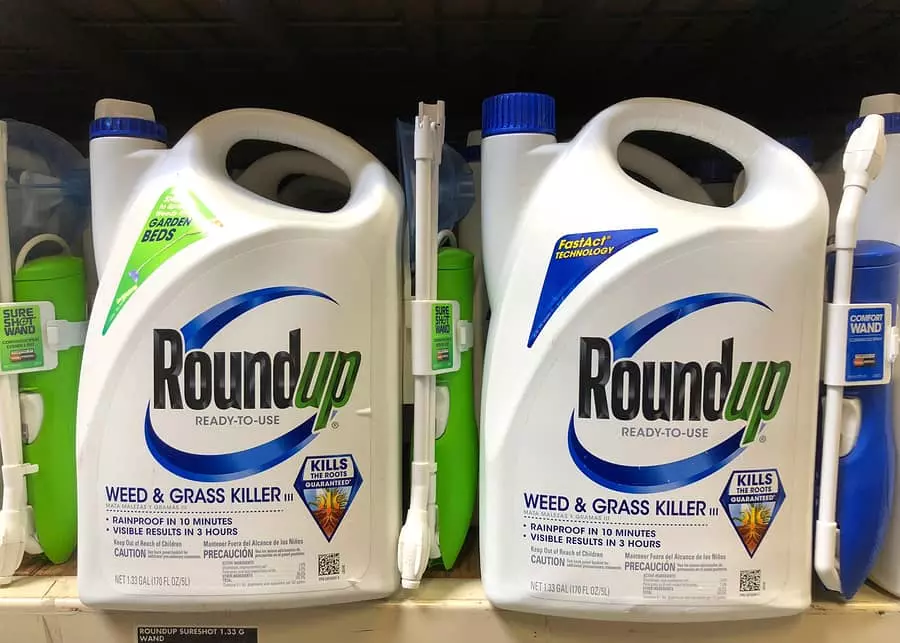


Cancers Linked to Roundup Exposure and Who Qualifies
The cancer most tied to Roundup is non-Hodgkin lymphoma. We see that diagnosis in case after case. But it’s not the only one. The International Agency for Research on Cancer, a branch of the World Health Organization, calls glyphosate a “probable human carcinogen.” That classification opened the door to tens of thousands of lawsuits across the country. It’s the foundation for claims we handle right here in Greenwood Village.
Beyond non-Hodgkin lymphoma, studies have connected long-term glyphosate exposure to other blood cancers and lymphatic system disorders. We’ve worked with clients diagnosed with B-cell lymphoma, chronic lymphocytic leukemia, and diffuse large B-cell lymphoma. Some used Roundup for a single season on a property near the Landmark. Others sprayed it for decades along fence lines and driveways. The duration of exposure matters, but even moderate use over several years can form the basis of a strong claim.
So who actually qualifies? You don’t need to be a farmer or a professional landscaper.
We see this pattern over and over. A homeowner mixed Roundup in their garage. They sprayed it along walkways every spring and fall. They never wore gloves. Years later, a cancer diagnosis. They had no idea the product could be linked. In most cases, the person sitting across from us never considered that their weed killer could be the cause until a doctor or a news story connected the dots.
People who may qualify include homeowners who regularly treated yards or gardens, groundskeepers at HOAs or commercial properties, municipal workers who sprayed along roads or parks, and agricultural workers who handled glyphosate-based products. If you were exposed and later diagnosed with a qualifying cancer, you likely have a claim under Colorado’s product liability statute, C.R.S. § 13-21-401 et seq. That law allows for strict liability. You don’t have to prove the manufacturer was careless. You have to show the product was defective or lacked proper warnings.
Colorado’s general personal injury statute of limitations is two years under C.R.S. § 13-80-102. With toxic exposure cases, the clock can start from the date you discovered or should have discovered the link between Roundup and your diagnosis. That’s a fact-specific question. Waiting to sort it out on your own costs you time you may not have.
For a free legal consultation with a product liability lawyer serving Greenwood Village, call (303) 465-8733
Colorado’s Filing Deadline and the Discovery Rule Explained
Here’s where Roundup cases get tricky in Colorado. The general personal injury statute of limitations is two years under C.R.S. § 13-80-102. But two years from what? That’s the question we deal with constantly for Greenwood Village clients who used Roundup for years before anyone told them it could cause cancer.
Most people don’t get a non-Hodgkin lymphoma diagnosis the same week they spray their lawn. It takes years. Sometimes a decade or more. You might’ve stopped using Roundup five years ago and just now received a diagnosis. Does that mean your time ran out? No. Colorado recognizes what’s called the “discovery rule.” It changes everything for these claims.
How the Discovery Rule Works
The clock doesn’t start when you were exposed to glyphosate. It starts when you knew or should’ve known that your illness was connected to Roundup. For most people, that moment is a conversation with an oncologist, a news report they finally paid attention to, or a friend who sent them an article. We see this play out over and over. Someone near the Landmark neighborhood gets diagnosed, spends months focused on treatment, and only later connects the dots to years of herbicide use on their property.
But the discovery rule isn’t automatic. You have to prove when you actually learned about the link. Insurance defense lawyers will argue you should’ve known sooner. They’ll say the information was public. They’ll say you ignored warning signs. They’ll dig through your internet search history and medical records looking for evidence you were aware earlier than you claim.
And if your Roundup exposure happened on government-maintained land in Greenwood Village, the timeline gets even tighter. Claims against government entities under the Colorado Governmental Immunity Act require a 182-day notice under C.R.S. § 24-10-109. Miss that window and your claim dies, no matter how strong it is. This applies to exposure on property maintained by Arapahoe County, the South Suburban Parks and Recreation District, or CDOT right-of-way areas.
Don’t guess at your deadline. Every week you wait is a week closer to losing your right to file. If you’ve been diagnosed with non-Hodgkin lymphoma and you used Roundup anywhere in Greenwood Village, talk to someone now. Not next month.

Documenting Roundup Exposure Without Purchase Records
Most people don’t save receipts for weed killer. We hear this concern almost every consultation. Someone used Roundup for years on their property near the Landmark or along the walking paths in The Preserve, and now they can’t prove they bought it. That’s okay. Purchase records are one type of evidence, not the only type.
Roundup weed killer cancer cases in Greenwood Village don’t hinge on a stack of Home Depot receipts. They hinge on building a credible exposure history through every available source. And there are more sources than you’d think.
What We Use to Build Your Exposure Profile
Witness statements carry real weight. A spouse who mixed the product. A neighbor who watched you spray your lawn every spring. A coworker from a landscaping crew. These people can confirm what happened, when it happened, and how often. We take detailed declarations from anyone who saw you handle Roundup.
Medical records matter here too. If you told a doctor you’d been using herbicides before your non-Hodgkin lymphoma diagnosis, that’s documented. Oncologists in the Denver Tech Center area often ask about chemical exposure during intake. Those notes become evidence.
Employment records fill gaps for people who used Roundup at work. Landscapers, groundskeepers, HOA maintenance crews, golf course staff. Greenwood Village has dozens of commercial properties and HOAs that contract regular herbicide application. Your employer’s safety data sheets, job descriptions, and even coworker testimony can establish years of exposure without a single receipt.
Photographs and videos from your yard, your garage shelf, your work truck. People forget they have these. A photo from a family barbecue showing a Roundup bottle on the patio shelf is evidence.
We also pull purchasing data directly from retailers when possible, request HOA landscaping contracts, and check county records for commercial pesticide applications in your area. More often than not, we can piece together a strong exposure timeline from sources the client didn’t even know existed.
Don’t let missing receipts stop you from calling. Our product liability attorney Anne Dieruf and the rest of our team know how to document exposure history that holds up. The manufacturer’s own internal documents show they knew about the risk for decades. Your job is to tell us what happened. Ours is to prove it.
Greenwood Village Product Liability Lawyer Near Me (303) 465-8733
How a Roundup Lawsuit Works From First Call to Resolution
Most people who call us from Greenwood Village have never filed a lawsuit before. That’s normal. We walk you through every step so nothing catches you off guard.
Here’s what the process looks like once you reach out to our team:
Step one: the free consultation. You tell us your story. When you used Roundup, how long, what diagnosis you received, and when. We ask about your medical history, your work history, your exposure timeline. This call costs you nothing. It just gives us both a clear picture.
Step two: case investigation. Our product liability attorneys, including Anne Dieruf, dig into the details. We gather your medical records, pathology reports, and treatment history. We document your Roundup exposure through purchase records, employment records, or even neighbor testimony. Clients are often surprised by how much evidence already exists in their own files.
Step three: filing. We prepare and file your claim. Colorado’s product liability statute, C.R.S. § 13-21-401 et seq., allows strict liability claims against manufacturers. That means we don’t have to prove Monsanto or Bayer was careless. We prove the product was defective and it caused your cancer. The distinction matters.
Step four: discovery and litigation. This is where the real work happens. Document exchanges, depositions, expert witness reports. Bayer’s defense team will push back hard. They’ll question your exposure level, argue your cancer had other causes, and delay proceedings. We’ve seen this play out hundreds of times. Insurance companies and corporate defendants count on you getting tired and settling low.
Step five: resolution. Your case ends in a settlement or a verdict. Many Roundup cases resolve through structured settlement programs. But if the offer doesn’t reflect what you’ve lost, we try cases. That’s what separates firms like ours from the ones running TV ads near the DTC corridor. About 85% of our litigation work comes from referrals by other attorneys who need a firm that actually goes to trial.
The timeline varies. Some cases move in months, others take longer. But from that first phone call at our office on DTC Parkway, you’ll know where things stand.
Choosing a Real Local Roundup Attorney Over a Lead Generator
We see this constantly. Someone in Greenwood Village searches for a Roundup attorney and fills out a form on a slick-looking website. Within minutes, their phone won’t stop ringing. Three firms from three different states, none of them in Colorado, all fighting over the “lead” that just got sold to the highest bidder.
That’s not legal representation. That’s marketing.
Lead generation sites exist to collect your name and sell it. The firm that buys your case might be located in Florida or Texas. They’ll associate with a local attorney they’ve never met just to file in Colorado court. They don’t know Arapahoe County District Court. They don’t know the judges. They don’t understand how Colorado’s product liability statute, C.R.S. § 13-21-401, applies to herbicide exposure claims here. And they won’t fly out to meet you when it matters.
A real local attorney handles your case differently. You can walk into our office near the DTC Parkway corridor and sit across from the person managing your claim. That’s what legal help for serious injuries in Greenwood Village actually looks like — Anne Dieruf, our product liability attorney, works these cases directly. She’s not reviewing a file that got passed through two referral layers before landing on her desk.
Here’s what to watch for when you’re looking at firms. If the website doesn’t list a Colorado office address, that’s a red flag. If the intake call asks only about your diagnosis and not about your exposure history in Greenwood Village, they’re qualifying you as a lead, not evaluating your case. If they can’t name the Colorado statute of limitations for your claim, keep looking. For product liability cases like Roundup claims, you’re working with a two-year window under C.R.S. § 13-80-102.
Insurance companies and corporate defendants know which firms actually try cases. That reputation changes how your case gets valued from day one. About 85% of our litigation work comes from other attorneys referring cases to us because they need trial lawyers, not just negotiators. That distinction matters when you’re going up against Bayer’s legal team.
Don’t let your case start as a transaction. It should start as a conversation with someone who’ll be there at the end.
Click to contact our Lawyers in Greenwood Village today
Our Greenwood Village, Colorado Office Location

Our main office is located in Greenwood Village, also known as the Denver Tech Center, just south of Downtown Denver.
Jordan Law Accident and Injury Lawyers
5445 DTC Parkway Suite 1000 Greenwood Village CO 80111
Frequently Asked Questions
Do I qualify for a Roundup cancer claim if I only used it on my Greenwood Village home’s yard?
Yes, homeowners who regularly used Roundup on their property can qualify for a claim. You do not need to be a farmer or professional landscaper. Many clients we work with simply sprayed along walkways or fence lines every spring and fall. If you used Roundup over several seasons and later received a cancer diagnosis like non-Hodgkin lymphoma, that pattern can form the basis of a strong product liability claim under Colorado law.
What is the filing deadline for a Roundup cancer lawsuit in Colorado?
Colorado’s general personal injury deadline is two years, but the clock may not start when you think it does. The discovery rule means your deadline begins when you knew or should have known your cancer was linked to Roundup. For many Greenwood Village residents, that moment is a conversation with an oncologist, not the day they last sprayed their yard. If your exposure happened on government-maintained land, a 182-day notice deadline under the Colorado Governmental Immunity Act may also apply.
What if I don’t have receipts or records proving I bought Roundup?
Missing purchase records will not kill your case. Roundup cancer claims in Greenwood Village are built using multiple types of evidence, not just store receipts. Witness statements from a spouse, neighbor, or former coworker can confirm your exposure history. Medical records help too, especially if you told a doctor about herbicide use before your diagnosis. Oncologists in the Denver Tech Center area often document chemical exposure during intake, and that record can be powerful evidence.
Which cancers are linked to Roundup exposure and covered in these claims?
Non-Hodgkin lymphoma is the cancer most directly tied to Roundup exposure. It appears in case after case. But other blood cancers and lymphatic system disorders have also been connected to long-term glyphosate use. These include B-cell lymphoma, chronic lymphocytic leukemia, and diffuse large B-cell lymphoma. The World Health Organization’s cancer research agency classifies glyphosate as a probable human carcinogen, and that classification is the scientific foundation behind tens of thousands of lawsuits across the country.
I stopped using Roundup years ago and just got diagnosed. Is it too late to file in Greenwood Village?
It is likely not too late. Colorado’s discovery rule protects people in exactly this situation. Your deadline does not start the day you last used Roundup. It starts when you connected your diagnosis to your past exposure. Many Greenwood Village residents stopped using the product years before a cancer diagnosis arrived. What matters is when you learned about the link, not when the exposure happened. Talk to a lawyer now to pin down your specific deadline before more time passes.