

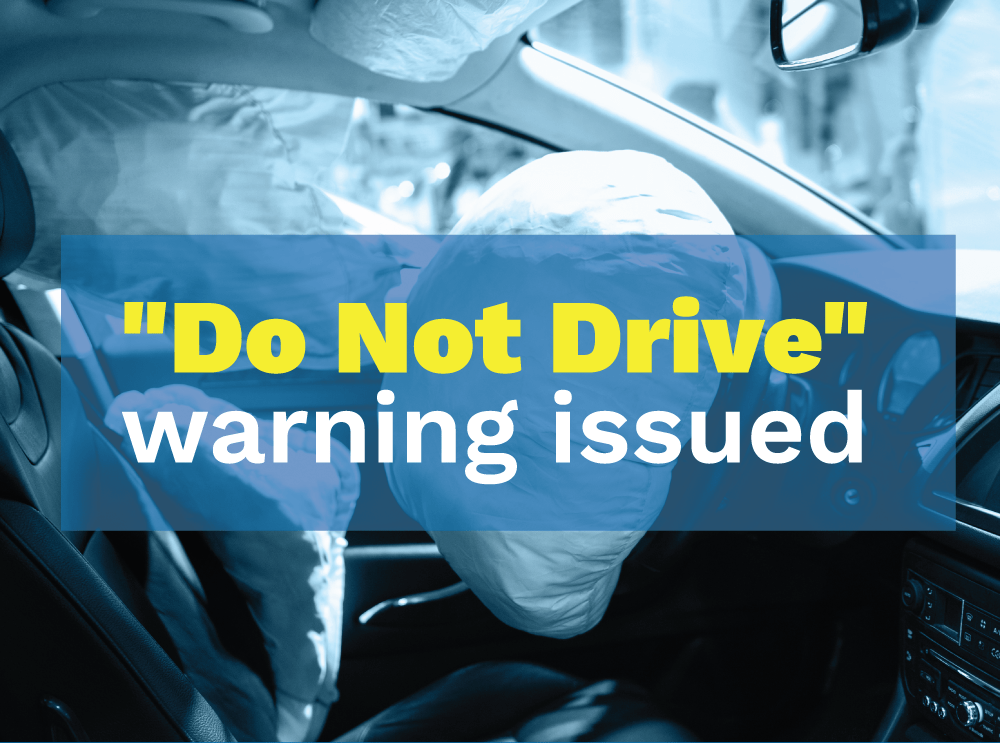
As a personal injury lawyer focused on automotive products cases, I’ve seen firsthand how a split-second mechanical failure can change someone’s life forever. Air bags are supposed to save lives. In most crashes, they do.
But the Takata air bag recall is different.
Approximately 67 million Takata air bags have been recalled in the United States because certain inflators can explode when deployed, sending metal shrapnel into the vehicle cabin. These explosions have caused devastating injuries — and deaths.
If you own a vehicle, this is not something to ignore.
What Is the Takata Air Bag Problem?
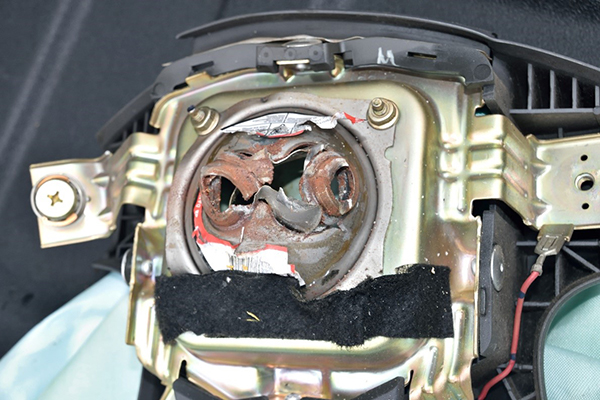
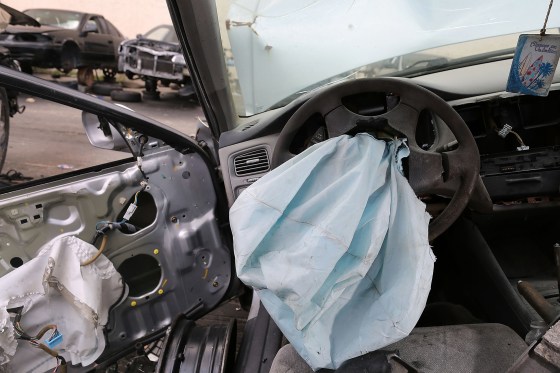
The defect involves certain PSAN (phase-stabilized ammonium nitrate) air bag inflators manufactured by Takata. Over time, exposure to heat and humidity can degrade the inflator propellant. When the air bag deploys in a crash, the inflator can rupture instead of inflating properly.
When this happens, metal fragments can be propelled into the driver or passenger compartment.
According to the National Highway Traffic Safety Administration (NHTSA):
- 28 people in the United States have been killed by exploding Takata air bag inflators.
- At least 400 people in the United States have allegedly been injured by rupturing inflators.
These are not minor defects. They are life-threatening failures.
For a free legal consultation, call (303) 465-8733
“DO NOT DRIVE” Warnings: This Is Serious
Certain vehicles are under “DO NOT DRIVE” advisories because they present a significantly higher risk of air bag explosion.
In particular:
- Some 2006 model year Ford Ranger and Mazda B-Series trucks have been flagged with “DO NOT DRIVE” warnings.
- Some manufacturers have advised vehicle owners not to allow anyone to sit in the front passenger seat until repairs are completed.
If your vehicle is under a “DO NOT DRIVE” notice:
- Contact your dealer immediately
- Arrange for the free repair
- Ask about towing and loaner vehicle options (some manufacturers are providing them)
Ford and Mazda have advised affected 2006 Ranger and B-Series owners to contact a dealer immediately, and they are offering towing and loaner vehicles in certain circumstances.
If you drive certain 2001–2003 Honda or Acura vehicles, you should contact Honda at 844-758-9245 or your dealer immediately and only drive the vehicle to the dealership for this repair before driving anywhere else.
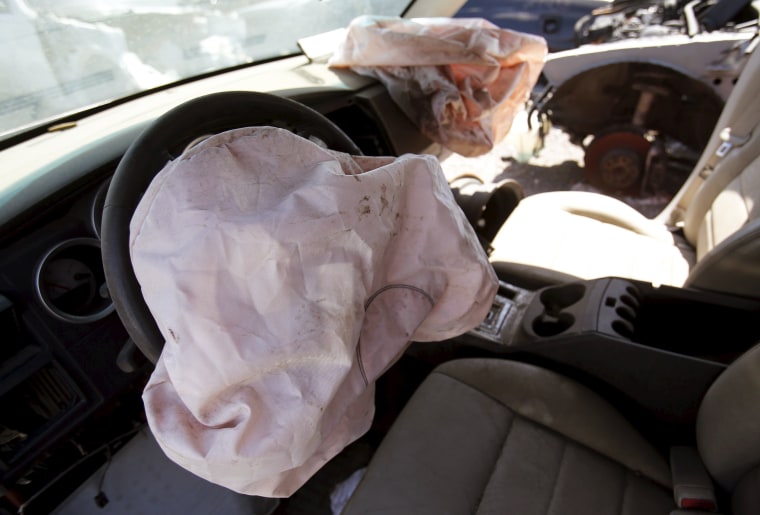
What You Should Do Right Now
Every vehicle owner should take these three steps:
1. Check for Recalls Using Your VIN
National Highway Traffic Safety Administration provides a VIN Look-Up Tool that allows you to search your vehicle identification number for active recalls.
Even if you believe your vehicle is fine — check it anyway.
NHTSA recommends checking at least twice per year. Vehicles that are scheduled to be recalled in the future under the Takata consent order may not appear in the system until the recall is formally issued.
That means checking once is not enough.
2. Get the Repair — It Is FREE
Every safety recall repair is free of charge.
If your vehicle is under recall:
- Call your local dealership
- Schedule the repair
- Confirm parts availability
- Ask whether a loaner vehicle is available
Dealers and manufacturers are not legally required in all cases to provide loaner vehicles — but it is absolutely appropriate to ask.
If a dealer refuses to repair your vehicle as described in the recall notice:
- Notify the manufacturer immediately
- File a complaint with NHTSA
- Provide detailed information (dealership name, personnel involved, timeline)
3. Sign Up for Recall Alerts
You can sign up for email alerts at NHTSA.gov/alerts to receive notice of future recalls affecting your vehicle.
Recalls are issued regularly. Staying informed protects you and your family.
“But Aren’t Air Bags Supposed to Save Lives?”
Yes.
Vehicles equipped with air bags — even air bags under recall — generally save lives and reduce injuries. The vast majority of Takata air bags perform as expected.
However, when they fail, they fail catastrophically.
As someone who represents injured individuals, I can tell you this: I would much rather prevent a case than handle one.
What Happens If You Are Injured by a Defective Air Bag?
If an air bag inflator ruptures and causes injury, multiple parties may potentially be involved in a legal claim, including:
- The vehicle manufacturer
- The air bag manufacturer
- Component suppliers
- Other responsible entities depending on the circumstances
These are not typical fender-bender cases. They can involve:
- Product liability claims
- Wrongful death claims
- Complex multi-defendant litigation
- Federal regulatory issues
If you or a loved one has been injured by an exploding air bag, it is critical to preserve:
- The vehicle
- The air bag components
- Photographs of the interior
- Medical records
- The recall notice
Evidence disappears quickly in product defect cases.
Click to contact our personal injury lawyers today
Do Not Ignore a Recall Notice
If your vehicle is currently under recall, you should have received a notice in the mail from the manufacturer.
If you have not received one but are concerned:
- Use the VIN look-up tool
- Check at least twice per year
- Do not assume someone else has taken care of it
Every recall means there is a safety problem with your vehicle.
This is not a marketing notice. It is a warning.
Final Thoughts From a Personal Injury Lawyer
I spend my career helping people after catastrophic injuries. But the best outcome is always prevention.
If your vehicle is subject to a Takata air bag recall:
- Do not delay
- Schedule the repair
- Follow any “DO NOT DRIVE” instructions immediately
A five-minute VIN search could save your life.