
Most people think proving distracted driving means catching someone on camera with a phone in their hand. That’s one way. But it’s not the only way — and it’s not even the most common way these cases get built in Greenwood Village.

The truth is, distracted driving evidence is scattered across dozens of sources. Some cases turn on a single text message timestamp. Others hinge on a restaurant receipt proving the driver was eating while doing 45 mph on Arapahoe Road. The key is knowing where to look — and moving fast before evidence disappears.
Phone Records and App Data
Cell phone records are the backbone of most distracted driving claims. Your attorney can subpoena the other driver’s carrier records. Those records show exactly when texts were sent, when calls connected, and how long they lasted.
But raw call logs only tell part of the story. App usage data goes deeper. If the driver was scrolling social media or typing a search, that activity leaves a digital trail. Colorado’s hands-free driving law under SB 24-065 makes manual phone use while driving a violation — so any proof of handheld phone activity at the time of a crash carries real weight. Most people don’t even know this evidence exists.
Surveillance and Dashcam Footage
Greenwood Village sits in the Denver Tech Center corridor. That means cameras are everywhere. Office buildings along DTC Parkway, parking garages near Fiddler’s Green, traffic cameras at the I-25 and Belleview interchange — all of these can capture the moments before a crash.
But here’s the problem. Most surveillance systems overwrite footage within 72 hours. Some do it in 24. If your attorney doesn’t send a preservation letter right away, that footage is gone forever. We’ve seen this play out hundreds of times.
Dashcam footage from other vehicles matters too. Rideshare drivers and delivery trucks often have forward-facing cameras running at all times. A FedEx or Amazon delivery truck behind the distracted driver might have recorded everything.
Witness Statements and Police Reports
Eyewitnesses at the scene can describe what they saw the other driver doing. Were they looking down? Holding something? Swerving before impact? These observations go into the police report and can be used later in your claim.
Officers sometimes note signs of distraction in their crash reports too — a phone found on the driver’s lap, food wrappers on the seat, a GPS showing an active route.
Event Data Recorders
Most newer vehicles have an event data recorder. Think of it like a black box for cars. It captures speed, brake use, steering input, and throttle position in the seconds before a crash. If the data shows the other driver never touched the brakes before hitting you at a Greenwood Village intersection, that’s strong evidence something kept them from reacting.
Colorado’s modified comparative negligence rule under C.R.S. § 13-21-111 means the other side will try to shift blame onto you. They’ll argue you failed to brake or weren’t paying attention yourself. Solid distracted driving evidence from multiple sources makes that argument much harder to sell.
No single piece of evidence wins these cases. It’s the combination that matters.
Cell Phone Records Can Confirm Distraction, But You Cannot Get Them Alone
Cell phone records are the closest thing to a smoking gun in a distracted driving case. They can show the exact second a text was sent, a call was active, or data was being used. If that timestamp lines up with the moment of your crash, it’s powerful proof the other driver wasn’t paying attention.
But here’s what most people don’t realize. You can’t just call up Verizon or T-Mobile and ask for someone else’s phone records. The carrier won’t hand them over without a legal demand. That means a subpoena — issued through the court and directed at the other driver’s wireless provider.
In Greenwood Village cases filed in Arapahoe County District Court, your attorney files a discovery request or a subpoena duces tecum. That’s a legal order requiring the carrier to produce specific records. Without it, those records stay locked.
Why Timing Matters So Much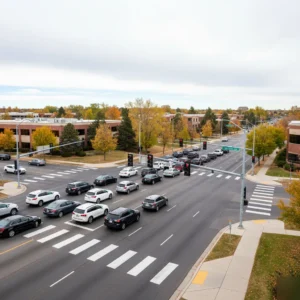
Wireless carriers don’t keep records forever. Most hold onto call detail records for 12 to 24 months. Some carriers delete text message content even faster. We’ve seen cases where a client waited six months to hire an attorney — and by then the most useful data was already gone.
Your attorney needs to send a preservation letter right away. This letter tells the carrier and the other driver’s insurance company to hold all phone data connected to the crash. If they destroy it after receiving that letter, there are legal consequences. But if nobody sends the letter, there’s nothing stopping routine deletion.
What the Records Actually Show
People assume phone records reveal everything. They don’t.
Call logs show incoming and outgoing calls with timestamps and duration. If the other driver was on a four-minute call that overlaps with the crash time, that’s strong evidence.
Text message logs show when messages were sent or received — but carriers usually don’t store the actual content of texts.
Data usage records can show whether the phone was actively streaming, browsing, or using an app. This matters because Colorado’s hands-free law SB 24-065 bans holding a phone while driving. Data activity during the crash window helps prove the driver broke that law.
What records won’t show is whether the driver was actually looking at the screen. That’s where other evidence fills the gap. Witness statements, dashcam footage, and the driver’s own social media posts can all help complete the picture.
How Your Attorney Gets Them
Your attorney identifies the other driver’s carrier from the police report or through early discovery. Then they issue a subpoena to the carrier requesting call detail records, text logs, and data usage for a specific time window around the crash. The carrier responds, usually within 30 to 60 days. Your attorney’s team then lines up the timestamps against the crash report timeline.
We’ve handled cases along the I-25 corridor near the Arapahoe Road interchange where phone records showed the at-fault driver was actively texting 11 seconds before impact. That single piece of evidence changed the entire direction of the claim.
Adjusters will often try to settle your case fast — before you ever get a chance to subpoena anything. If you’ve been hit by a distracted driver in Greenwood Village, talk to a distracted driving accident lawyer before those records disappear. The evidence has an expiration date. Your case shouldn’t.
For a free legal consultation, call (303) 465-8733
Surveillance Footage and Dashcam Video Are Time-Sensitive Evidence
Video doesn’t lie. And it doesn’t forget details the way people do. If the other driver was looking down at their phone when they ran a red light on Arapahoe Road, a dashcam or traffic camera might have caught it. That footage can prove distraction better than almost anything else.
But here’s what most people don’t find out until it’s too late. Surveillance footage gets deleted fast. Most businesses along DTC Boulevard and the Orchard Road corridor overwrite their security camera footage every 72 hours. Some systems loop every 24 hours. If your crash happened near a gas station, office building, or retail parking lot in Greenwood Village, that footage exists right now. It probably won’t exist next week.
Where to Find Video Evidence After a Crash
Traffic cameras are one source. CDOT runs cameras along I-25 through the DTC corridor, and Arapahoe County manages signal cameras at key intersections. These cameras don’t always record — some only stream live. But when they do record, the footage can show exactly what happened in the seconds before impact.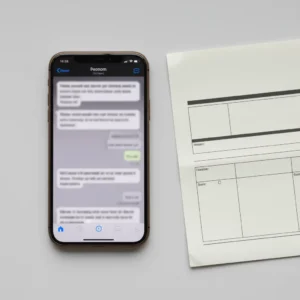
Private business cameras are often more useful. Restaurants near Fiddler’s Green, office buildings along Greenwood Plaza Boulevard, banks, hotels — they all have exterior cameras pointed at parking lots and nearby roads. We’ve pulled footage from businesses our clients didn’t even know had cameras facing the intersection where they were hit.
Your own dashcam is the evidence you control. If you have one, don’t delete anything. Don’t record over it. Remove the memory card and store it somewhere safe. If you were rear-ended while stopped at the I-25 and Orchard interchange, your rear-facing dashcam may show the other driver’s head tilted down right before impact.
Nearby vehicles with dashcams matter too. Rideshare drivers, delivery trucks, commercial vehicles — many have cameras running at all times. Witnesses who stopped at the scene may have footage they don’t even realize is relevant.
Why You Need to Act Within Days, Not Weeks
Adjusters are in no rush to preserve anything that helps your case. By the time one contacts you two weeks later, the gas station footage is gone, the traffic camera data has been overwritten, and your strongest proof of distracted driving has vanished.
A preservation letter changes everything. It’s a formal legal notice sent to businesses, government agencies, and the other driver’s insurance company demanding they save all video evidence. We send these within the first 48 hours of taking a case. The difference between a case with video and a case without video is night and day.
Here’s a situation we’ve seen play out. A driver was hit at a Greenwood Village intersection by someone who swore the light was green. The police report listed it as a disputed call. But a nearby office building’s security camera showed the at-fault driver running a solid red — head down, never even touching the brakes. That video turned a disputed liability case into a clear one.
If you’ve been in a crash and think the other driver was on their phone or otherwise distracted, time is working against you. Our distracted driving accident lawyers at Jordan Law know which cameras cover Greenwood Village intersections and how to get preservation letters out before that evidence disappears.
Colorado’s hands-free driving law under SB 24-065 makes holding a phone while driving illegal. If video shows a phone in the other driver’s hand, that’s strong proof of negligence. Don’t wait for the insurance company to investigate. They won’t look for evidence that hurts their own driver.
Frequently Asked Questions
Can police reports actually help prove the other driver was distracted?
Yes, police reports can be strong supporting evidence in a distracted driving case. Officers often note physical clues at the scene — a phone on the driver’s lap, food wrappers, or an open GPS app. They may also record witness statements describing the driver’s behavior before the crash. In Greenwood Village, crashes near busy corridors like Arapahoe Road or the I-25 and Belleview interchange often draw multiple officers. A detailed report from the scene gives your attorney a documented starting point before other evidence disappears.
How quickly does distracted driving evidence disappear after a crash in Greenwood Village?
Evidence can disappear within 24 to 72 hours after a crash in Greenwood Village. Surveillance cameras at office buildings along DTC Parkway and parking garages near Fiddler’s Green typically overwrite footage on tight cycles. Wireless carriers may purge certain data within weeks. The moment after a crash is the worst time to wait. An attorney needs to send preservation letters immediately — to carriers, businesses, and insurers — before routine deletion wipes out the most useful proof you have.
What is a common mistake people make when trying to prove distracted driving?
The most common mistake is assuming one piece of evidence is enough. Many people think a single witness statement or a blurry dashcam clip will settle the case. It rarely does. The other driver’s insurer will challenge every source. Building a strong claim means layering evidence — phone records, surveillance footage, event data recorder output, and witness accounts together. No single source wins these cases alone. If you want to understand how these pieces fit together, the distracted driving accident parent page explains the full claims process.
What does an event data recorder actually show in a distracted driving crash?
An event data recorder captures vehicle data in the seconds before a crash — speed, braking, steering input, and throttle position. If the data shows the other driver never touched the brakes before hitting you, that’s strong circumstantial evidence something pulled their attention away. Most vehicles made after 2012 have this technology. Getting the data requires acting fast. Once a vehicle is repaired or sold, that recorder data may be overwritten or lost entirely.
Does Colorado’s hands-free driving law make it easier to prove distraction?
Yes, Colorado’s hands-free law under SB 24-065 helps build distracted driving cases. If phone records or app data show the other driver was manually holding or using their phone at the time of the crash, that’s a direct violation of state law. A legal violation strengthens your claim significantly. Under Colorado’s modified comparative negligence rule (C.R.S. § 13-21-111), the other side will try to shift blame to you — documented proof of a legal violation makes that argument much harder to support.
Can rideshare or delivery vehicle cameras capture distracted driving near the Denver Tech Center?
Yes, and this is evidence most people overlook. Rideshare drivers and delivery trucks operating near the Denver Tech Center often run forward-facing dashcams continuously. A FedEx or Amazon vehicle behind the distracted driver at the time of your crash may have recorded the entire sequence. Your attorney can send a legal preservation request to the delivery company or rideshare platform quickly. These companies have data retention policies, and waiting too long means that footage may be gone before anyone asks for it.