
This is where Amazon tries to dodge responsibility. It’s the single most important thing to understand if you’ve been hit by one of their drivers.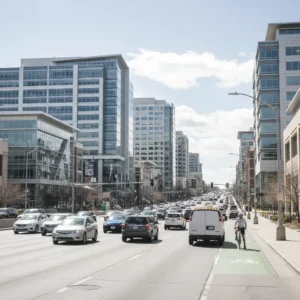
Amazon doesn’t hand a package to an employee and say “go deliver this.” They run deliveries through a network of smaller companies called Delivery Service Partners — DSPs. These are separate businesses that hire drivers, own or lease the vans, and handle the routes. Amazon contracts with the DSP. The DSP hires the driver. On paper, that driver doesn’t work for Amazon at all.
When a crash happens near the DTC or along Orchard Road, Amazon’s first move is to point at the DSP and say “that’s not our driver.” The argument is clean — the DSP is an independent contractor, the driver is the DSP’s employee, Amazon has no liability. But here’s what Amazon doesn’t want you to know.
If you’ve been hit by an Amazon delivery driver in Greenwood Village, don’t assume the small company name on the van door is the only party responsible. The structure of your case matters more here than in almost any other type of crash.
Control That Looks a Lot Like Employment
Amazon sets the routes. Amazon dictates the delivery windows. Amazon requires drivers to use its own app, which tracks speed, braking, and phone use in real time. Amazon mandates the uniforms. Amazon controls how packages get loaded into the van each morning. The DSP might sign the paycheck, but Amazon runs the operation down to the minute.
Colorado courts look at the actual level of control when deciding if a company is liable for a contractor’s actions. That’s the real test — not what the contract says, not what Amazon’s lawyers wrote into the DSP agreement. The question is whether Amazon exercised enough day-to-day control over that driver to be treated as the employer for liability purposes.
Amazon carries a commercial auto policy that covers DSP vehicles during deliveries. If they truly had zero connection to these drivers, why insure them?
What This Means for Your Claim
If an Amazon delivery driver hits you while cutting through parking areas near DTC Parkway or running a light on Orchard Road, the liable parties could include the driver personally, the DSP company, and Amazon itself. Sorting out who owes what takes real investigation. You need the DSP contract. You need Amazon’s internal route data. You need the driver’s employment records and training logs.
Most people assume they’re filing a claim against Amazon. In reality, they’re often filing against a small LLC with minimal insurance while Amazon hides behind the contractor shield. Insurance companies are counting on you not knowing this. They’ll push a settlement from the DSP’s policy and hope you never look deeper.
Our office sits right here at 5445 DTC Parkway in Greenwood Village. We watch these delivery vans run their routes through our neighborhoods every single day. The structure is designed to confuse you. Don’t let it.
Amazon Can Be Held Responsible Under Certain Legal Theories
Amazon has spent years building a delivery system that looks like it’s run by small, independent companies. Courts across the country have started seeing through that setup. The legal question isn’t just “who was driving the van?” It’s “who controlled how that driver did the job?” That distinction matters a lot.
The Independent Contractor Defense
Amazon uses a network of smaller delivery companies — each one a separate business that hires drivers, leases vans, and handles routes Amazon assigns. On paper, that smaller company is the employer. Amazon’s first move in any injury claim is to point at them and say “talk to them, not us.”
But Colorado law doesn’t stop at what’s written on a contract. Courts look at the real relationship between Amazon and these delivery companies — and that relationship tells a very different story.
How Control Changes Everything
When one company controls that many details of how work gets done, the “independent contractor” label starts to fall apart. Colorado courts can apply what’s called the “right to control” test — if Amazon controls the manner and method of delivery, not just the result, a court can find Amazon liable as an employer or principal.
There’s also a theory called “apparent agency.” You see an Amazon-branded van, an Amazon logo, a driver in an Amazon vest. You’d reasonably think that person works for Amazon. That reasonable belief can create liability even without a formal employment relationship. A California appellate court found Amazon could be held liable for a delivery driver’s accident on this exact issue. Colorado hasn’t issued an identical ruling, but the legal reasoning applies here too.
Why This Matters on Greenwood Village Roads
Think about the traffic around the DTC on a weekday afternoon. Delivery vans are stacked up on DTC Parkway, Orchard Road, and Yosemite Street. Drivers are rushing to hit delivery quotas, pulling in and out of office complex parking lots, stopping in lanes, making quick turns across traffic. The pressure Amazon puts on these drivers to deliver hundreds of packages per shift creates exactly the kind of conditions that cause crashes.
If an Amazon delivery driver hits you near Fiddler’s Green or along Arapahoe Road, you’re not stuck filing a claim against a tiny delivery company with minimal insurance. The legal theories above can open the door to holding Amazon itself responsible — a company with real resources to cover your medical bills, lost wages, and pain and suffering.
But Amazon fights these cases hard. They hire big defense firms. They bury evidence in corporate layers. They drag things out hoping you’ll accept a low offer from the delivery company’s insurer. You need a firm that knows how to pierce Amazon’s corporate structure.
For a free legal consultation, call (303) 465-8733
The DSP Model Creates a Liability Gap You Need to Understand
Amazon doesn’t hire most of its delivery drivers directly. The driver who hit you near the DTC or along Orchard Road probably works for a small delivery company — not Amazon. That’s by design.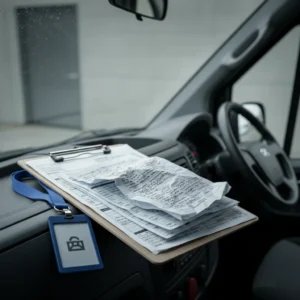
Here’s how the setup works. Amazon recruits people to start delivery businesses. Those business owners hire drivers, lease vans, and handle payroll. On paper, that delivery company is the employer. Amazon is just the client. So when a crash happens in Greenwood Village, Amazon’s legal team points blame at a small LLC with minimal insurance — and the claim stalls.
The injured person assumes Amazon will step up. Insurance companies are counting on you not knowing that you can push past it. But the reality is more complicated than Amazon wants it to be, and that’s where the opportunity is for your case.
Amazon Controls Almost Everything
Even though these delivery drivers technically work for a separate company, Amazon controls their daily work down to the minute. Amazon sets the delivery routes. Amazon dictates how many packages each driver must deliver per shift. Amazon’s app tracks driver speed, braking, and location in real time. Amazon even controls what drivers wear.
That level of control matters under Colorado law. When one company directs how another company’s workers do their jobs, courts can find what’s called a “de facto employer” relationship. The contract between Amazon and the delivery company says they’re independent. But contracts don’t override reality — and the reality is Amazon runs the show.
Think about it this way. A delivery driver rushing through the Belleview and I-25 interchange at 5 p.m. didn’t choose that route — Amazon’s algorithm did. The driver didn’t set the delivery quota that made them rush — Amazon did. If that pressure caused the crash, Amazon’s fingerprints are all over it.
Why the Delivery Company’s Insurance Often Isn’t Enough
Most of these delivery companies carry the minimum insurance Amazon requires. For serious injuries, that coverage runs out fast. A broken pelvis, a spinal cord injury, months of missed work at a DTC office — these costs blow past a small policy in a hurry. The delivery company itself usually has limited assets. It might be an LLC with a handful of vans and not much else.
So if you only go after the delivery company, you might recover a fraction of what your case is worth. That’s exactly what Amazon is betting on. The whole model creates a buffer — a liability gap. And most people fall right into it because they don’t know they can push past it.
The key is building a case that holds Amazon accountable alongside the delivery company. That means documenting Amazon’s control over routes, schedules, and driver performance data. It means sending preservation letters early so Amazon can’t delete the app data showing exactly what the driver was told to do that day.
Frequently Asked Questions
Can Amazon actually be held responsible if their delivery driver hits me near the DTC or Orchard Road?
Yes, Amazon can be held responsible, even though they’ll try to point the blame at the smaller delivery company. Amazon controls the routes, the app, the uniforms, and the delivery windows. Colorado courts look at how much control a company actually has over a worker — not just what a contract says. That level of control can make Amazon liable, even if the driver technically works for a separate company. Don’t assume you’re only filing a claim against a small LLC with limited insurance.
What is a Delivery Service Partner, and why does it matter to my case in Greenwood Village?
A Delivery Service Partner, or DSP, is a small business Amazon contracts with to handle deliveries. The DSP hires the driver and owns or leases the van. When a crash happens on Orchard Road or near DTC Parkway, Amazon immediately points to the DSP and says the driver isn’t their employee. This matters because the DSP may carry far less insurance than Amazon. If you only file against the DSP, you could be leaving significant compensation on the table. Your claim may need to reach Amazon directly.
What is “apparent agency,” and how does it apply to Amazon delivery accidents?
Apparent agency means that if you reasonably believed the driver worked for Amazon — because of the branded van, the logo, and the uniform — Amazon can be held liable even without a formal employment relationship. A California appellate court used this reasoning in Diaz v. Amazon to find Amazon responsible for a delivery driver’s crash. Colorado hasn’t issued an identical ruling, but the same legal reasoning applies. If you saw an Amazon van and an Amazon vest, that’s not an unreasonable belief. It’s a real legal argument.
Is it a mistake to accept a quick settlement from the DSP’s insurance after a crash near the DTC?
Yes, accepting a fast settlement from the DSP’s insurance is one of the most common mistakes people make. Insurance companies count on you not knowing that Amazon may also be liable. Once you settle, you typically give up your right to pursue additional compensation. If your injuries are serious, the DSP’s policy may not come close to covering your losses. Before you sign anything, talk to someone who understands how Amazon’s contractor structure works. Our Amazon delivery driver accident resources explain what your full claim could involve.
What evidence do I need to prove Amazon controlled the driver who hit me on Orchard Road?
You need more than a police report. The key evidence includes the DSP contract with Amazon, the driver’s training records, Amazon’s internal route data, and records from the in-vehicle camera system Amazon uses to monitor drivers. Amazon tracks speed, braking, and phone use in real time. That data can show the driver was under pressure to meet Amazon’s delivery quotas when the crash happened. Getting this evidence requires legal action early — Amazon doesn’t hand it over voluntarily.
Does it matter that the crash happened in a parking lot near a DTC office complex rather than on a public road?
No, the location doesn’t change who may be liable. Delivery vans regularly pull in and out of office complex parking lots along DTC Parkway and Yosemite Street. If a driver caused the crash while making a delivery, the same liability rules apply whether it happened in a parking lot or on the road. What matters is whether the driver was working at the time of the crash and whether Amazon or the DSP controlled how that driver was operating. Private property crashes are still valid injury claims in Colorado.