

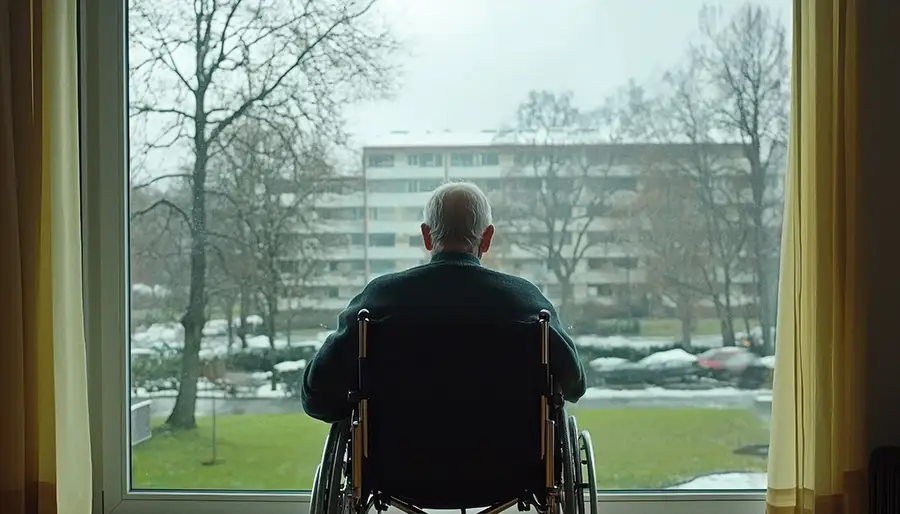
Something feels wrong. Your parent has lost weight. There’s a bruise you don’t remember seeing last week. They seem withdrawn — less talkative, less themselves. The staff gives vague answers when you ask questions. You’re not sure if you’re overreacting or if something genuinely bad is happening.
You’re not overreacting. Families who suspect nursing home neglect are almost always right to be concerned. The signs are often subtle at first — a missed medication here, a stained bedsheet there — but they follow patterns that experienced advocates recognize immediately. Knowing what to look for, what to document, and who to call can mean the difference between catching a problem early and discovering a tragedy after it’s too late.
Physical Warning Signs
These are the signs that something is medically wrong — and that the facility may not be providing adequate care.
Unexplained bruises, cuts, or fractures. Every bruise has a cause. Older adults do bruise more easily, but patterned bruising (grip marks on the arms, bruises in a line), bruises in unusual locations (inner thighs, torso, behind the ears), or recurring injuries that staff can’t explain should raise immediate concern. Falls that aren’t reported to the family — or that happen repeatedly — suggest inadequate supervision or fall prevention protocols.
Bedsores (pressure ulcers). This is the single most reliable indicator of nursing home neglect. Bedsores develop when a patient isn’t being repositioned regularly — typically every two hours for bed-bound residents. A Stage I bedsore (reddened, unbroken skin) can progress to Stage IV (tissue destruction exposing muscle or bone) if left untreated. Advanced bedsores are considered a “never event” in a properly staffed facility — they should not happen when standard care protocols are followed. When they do, it’s almost always because the facility is understaffed, undertrained, or both.
Sudden or unexplained weight loss. Rapid weight loss in an elderly resident can indicate malnutrition, dehydration, or both. Federal regulations require nursing homes to maintain each resident’s nutritional status. If your loved one is losing weight, ask to see their meal intake records and hydration logs. If the facility can’t produce them, that itself is a red flag.
Dehydration. Dry mouth, cracked lips, dark urine, confusion, dizziness, and sunken eyes are all signs of dehydration. In elderly residents, dehydration can lead to urinary tract infections, kidney failure, and death. Adequate hydration is a basic standard of care.
Poor hygiene. Unwashed hair, soiled clothing, unchanged bedding, long or dirty fingernails, body odor, and unchanged incontinence products are all signs that the staff isn’t providing basic personal care. These aren’t minor oversights — they’re indicators of a facility that doesn’t have enough staff to meet residents’ fundamental needs.
Medication issues. Missed medications, wrong dosages, unfamiliar medications, or signs of overmedication (excessive drowsiness, confusion, unresponsiveness) can all indicate medication management failures. In Colorado, HB 23-1228 has introduced new reporting requirements for medication incidents at long-term care facilities, reflecting how serious the state considers this issue.
For a free legal consultation, call (303) 465-8733
Behavioral Warning Signs
Changes in behavior can be harder to identify than physical signs, but they’re often the earliest indicators that something is wrong.
Withdrawal and depression. If your loved one was previously social and engaged but has become quiet, unresponsive, or shows no interest in activities they once enjoyed, something has changed. While depression can have many causes in older adults, a sudden behavioral shift after admission to or within a facility warrants investigation.
Fear or anxiety around specific staff members. If your loved one becomes visibly agitated, flinches, or goes silent when certain staff members enter the room, pay close attention. This is one of the most reliable behavioral indicators of abuse — not just neglect.
Reluctance to speak openly. If your parent seems like they want to tell you something but keeps glancing at staff or changes the subject, they may be afraid of retaliation. Residents who depend on their caregivers for basic needs like food, medication, and toileting are in an inherently vulnerable position — and some are afraid that complaining will make their care worse.
Agitation, anger, or emotional outbursts. Sudden personality changes — increased irritability, crying, expressions of hopelessness — can indicate neglect, abuse, or untreated pain. If the facility attributes these changes to “cognitive decline” or “sundowning” without medical evaluation, push back.
Environmental Red Flags
Sometimes the signs of neglect aren’t on the resident — they’re in the building.
Visible understaffing. Call lights that go unanswered for extended periods, residents left sitting in hallways or common areas without supervision, long wait times for meals or medication delivery, and staff who seem overwhelmed or rushing between rooms are all indicators that the facility doesn’t have enough people to provide adequate care. Approximately one-third of U.S. nursing homes have been cited for understaffing, and understaffing is the root cause of the majority of neglect cases.
Unsanitary conditions. Strong odors of urine or feces in hallways, stained or soiled linens visible on beds, cluttered or dirty common areas, and bathrooms that aren’t clean indicate systemic maintenance failures.
High staff turnover. If you notice different staff members every time you visit, and no one seems to know your loved one’s routine, preferences, or medical history, the facility has a turnover problem. High turnover leads to inconsistent care and increases the risk of errors.
Lack of documentation. If you ask for your loved one’s care records — meal intake, medication administration, repositioning logs, incident reports — and the facility can’t produce them or delays providing them, that’s a serious concern. Proper documentation is a regulatory requirement, and its absence suggests either that care isn’t being provided or that the facility is hiding something.
What to Document
If you suspect neglect, start documenting immediately. Your documentation may become evidence in a regulatory complaint or legal action.
Photograph everything. Injuries (bruises, bedsores, cuts), soiled bedding or clothing, unsanitary conditions, and any visible hazards. Take photos at every visit and date them. Use your phone’s timestamp feature so dates can’t be disputed.
Keep a written log. Record the date and time of each visit, what you observed, who you spoke with, what they said, and any concerns you raised. If you call the facility, note the date, time, who you spoke with, and what was said.
Request care records. Under federal law, nursing home residents (or their authorized representatives) have the right to access their medical records, care plans, medication administration records, and incident reports. Make these requests in writing and keep copies.
Talk to your loved one privately. If possible, have conversations about their care when staff members are not in the room. Ask open-ended questions: “How are they treating you?” “Are you getting your meals on time?” “Is anyone making you uncomfortable?”
How to Report Nursing Home Neglect in Colorado
Colorado provides multiple reporting pathways, and you can use more than one simultaneously.
Colorado Department of Public Health and Environment (CDPHE): CDPHE licenses and inspects all Colorado nursing homes and conducts complaint investigations. You can file a complaint by calling (303) 692-2820 or through the CDPHE website. CDPHE investigates complaints related to quality of care, residents’ rights, abuse, staffing, dietary concerns, and environmental conditions. Annual surveys occur every 9-15 months, and complaint-triggered investigations can happen at any time.
Long-Term Care Ombudsman: Colorado’s Long-Term Care Ombudsman program advocates for residents of nursing homes and assisted living facilities. Ombudsmen can investigate complaints, mediate disputes, and help families navigate the system. Contact the Colorado Ombudsman program at (800) 288-1376.
Adult Protective Services (APS): If you believe a resident is in immediate danger or is being abused, contact your county’s Adult Protective Services. APS can conduct investigations and take protective action.
Law enforcement: If you suspect criminal abuse — physical assault, sexual abuse, theft, or financial exploitation — call local police. Criminal and civil cases can proceed simultaneously.
Click to contact our personal injury lawyers today
When Neglect Becomes Actionable
Not every lapse in care is a lawsuit. But when a facility’s failure to meet basic standards of care causes injury to a resident — bedsores that become infected, falls that cause fractures, dehydration that leads to hospitalization, medication errors that cause medical crises — the neglect crosses the line from poor care to actionable negligence.
Colorado law allows families to pursue claims against nursing homes for negligence, corporate negligence (against the facility’s management company or corporate owner), violation of residents’ rights under state and federal law, and wrongful death if a resident dies as a result of neglect.
Many nursing home admissions agreements contain mandatory arbitration clauses that attempt to force disputes out of the court system and into private arbitration. These clauses are not always enforceable in Colorado, and an experienced attorney can evaluate whether the clause in your loved one’s agreement is valid.
The statute of limitations for nursing home neglect claims in Colorado is 2 years from the date of injury (C.R.S. § 13-80-102). For wrongful death claims, the deadline is 2 years from the date of death (C.R.S. § 13-21-204). Don’t wait — evidence in nursing home cases (staffing records, care logs, surveillance footage) can be altered or destroyed if the facility knows a complaint is coming.
Trust What You See
If something feels wrong, it probably is. You know your parent or loved one better than the facility’s staff does, and the observations you make during visits are often the first and best evidence that something has gone wrong.
At Jordan Law, attorney Michael Harris handles nursing home abuse and neglect claims. We investigate what happened, identify every responsible party — from the individual caregivers to the corporate owners — and pursue the compensation your family deserves. The consultation is free, and you pay nothing unless we win.
Free Consultation — Call (303) 465-8733
Jordan Law Accident & Injury Lawyers 5445 DTC Parkway, Suite 1000, Greenwood Village, CO 80111