
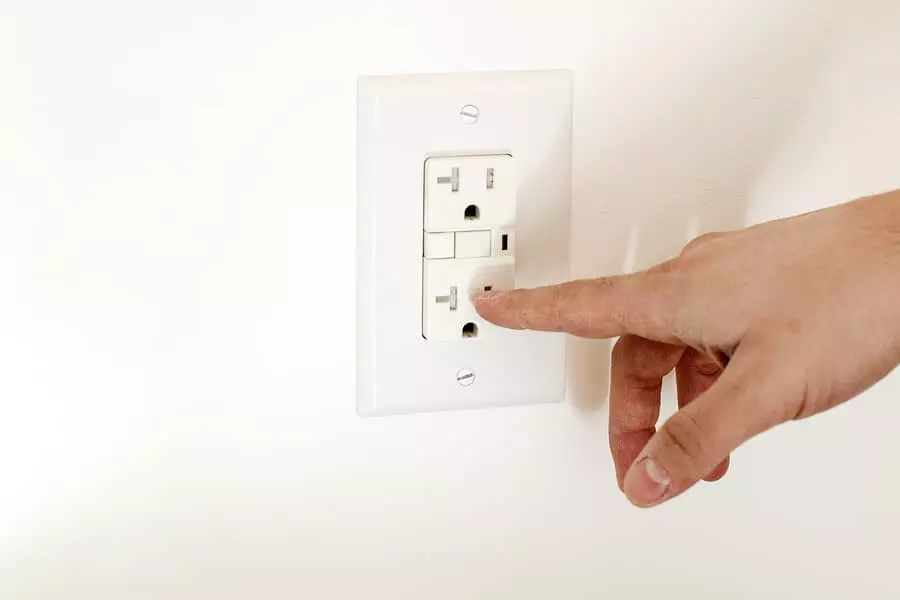


Electrocution is one of OSHA’s “Fatal Four” — the four leading causes of death in the construction industry. Nationally, approximately 350 workers die from electrical injuries every year. Survivors often face injuries far more severe than what’s visible on the surface — cardiac damage, nerve destruction, kidney failure, and permanent cognitive impairment hidden behind small entry and exit burns.
At Jordan Law, we handle electrical injury cases caused by construction site hazards, defective products, downed power lines, utility company negligence, and dangerous property conditions throughout Denver and Colorado. Our record includes a multi-million dollar recovery for an electrocution victim, and our trial experience — over $550 million recovered across all practice areas — means we have the resources to take on the utility companies, contractors, and manufacturers responsible for these devastating injuries.
Free Consultation — Call (303) 465-8733
Why Electrical Injuries Are More Serious Than They Appear
Electrical injuries are uniquely deceptive. A victim may have only small burns at the entry and exit points — where the current entered and left the body — while suffering catastrophic internal damage that isn’t immediately apparent. Electricity travels through the body along the path of least resistance, damaging everything in its way: nerves, blood vessels, muscles, and internal organs.
The internal consequences can include cardiac arrhythmia and cardiac arrest — electrical current disrupts the heart’s electrical system, which can cause fatal arrhythmias immediately or develop into chronic cardiac problems; rhabdomyolysis — the destruction of muscle tissue that releases proteins into the bloodstream, potentially causing acute kidney failure; nerve damage and neuropathy — permanent numbness, tingling, weakness, or loss of function in affected limbs; compartment syndrome — swelling within muscle compartments that cuts off blood flow, potentially requiring emergency surgery or amputation; traumatic brain injury — electrical current passing through the brain can cause cognitive impairment, memory loss, personality changes, and seizure disorders; and internal burns to organs and blood vessels that may not manifest symptoms for hours or days after the incident.
This delayed presentation is what makes electrical injuries so dangerous — and so frequently undervalued by insurance companies. Victims are often discharged from the emergency room with what appears to be minor burns, only to develop serious complications days or weeks later. By then, the connection between the electrical exposure and the new symptoms may not be immediately obvious to treating physicians who weren’t aware of the initial incident.
For a free legal consultation with an electrical injury lawyer serving Denver, call (303) 465-8733
Common Causes of Electrical Injuries in Denver
Construction Site Electrocution
Denver’s construction boom means electrical hazards are everywhere. Contact with overhead power lines is the single deadliest electrical hazard on construction sites — cranes, scaffolding, ladders, and long materials like rebar and conduit can bridge the gap between workers and energized lines. Other construction-related causes include improperly grounded equipment, exposed wiring in unfinished buildings, failure to de-energize circuits before performing maintenance (lockout/tagout violations), and trenching or excavation that contacts buried utility lines.
OSHA classifies electrocution as one of the “Fatal Four” — the four hazards that account for more than half of all construction worker deaths annually (along with falls, struck-by incidents, and caught-in/between). OSHA standards require specific protections including ground-fault circuit interrupters (GFCIs), proper clearance distances from power lines, lockout/tagout procedures, and adequate training. Violations of these standards can establish negligence per se — meaning the contractor’s fault is presumed based on the regulatory violation.
Utility Company Negligence
Downed power lines, improperly maintained transformers, failure to respond to reported hazards, and inadequate clearance from structures all create electrocution risks. In Colorado, the relationship between utility companies and electrical injury victims has been the subject of significant litigation — including cases that have reached the Colorado Supreme Court regarding Xcel Energy’s liability for electrocution injuries near its power lines.
Colorado’s High Voltage Safety Act imposes duties on both utility companies and contractors working near power lines. Understanding how this statute interacts with common law negligence claims is critical in utility-related electrical injury cases — and it requires attorneys with specific experience in this area of Colorado law.
Defective Electrical Products
Defective appliances, power tools, extension cords, wiring components, and electrical panels cause shock, burns, and electrocution. Under Colorado’s strict product liability statute (C.R.S. § 13-21-401), the manufacturer, distributor, and retailer can all be held liable regardless of negligence. Common defects include inadequate insulation, missing or defective ground-fault protection, defective circuit breakers, and design flaws that allow electrical components to overheat or arc.
Premises Liability
Faulty wiring in residential and commercial buildings, exposed electrical panels, inadequate grounding, and failure to comply with the National Electrical Code create electrocution hazards for tenants, visitors, and maintenance workers. Property owners and managers who know about electrical hazards and fail to address them can be held liable under Colorado’s premises liability statute (C.R.S. § 13-21-115).
“It’s very important that you end up with the right attorney — not just the one who advertises the most or has the most clicks online. You want an attorney with significant experience, not only handling this type of work but actually trying cases. Insurance companies know which firms actually take cases to trial, and that affects how your case is handled.”
— Jason Jordan, Founding Partner
Going Beyond Workers’ Compensation
If you were electrocuted on a job site, workers’ compensation may cover your medical bills and a portion of your lost wages — but it doesn’t compensate for pain and suffering, it caps your wage replacement at two-thirds of your average weekly earnings, and it often falls far short of covering the true cost of a catastrophic electrical injury.
Third-party personal injury claims allow you to pursue full compensation from parties other than your direct employer. In electrical injury cases, potentially liable third parties include the general contractor who failed to ensure site safety or enforce OSHA electrical standards, subcontractors whose negligence created the electrical hazard, equipment manufacturers whose defective tools, generators, or safety equipment caused or contributed to the injury, utility companies that failed to maintain power lines, respond to reported hazards, or provide adequate clearance, property owners who knew about dangerous electrical conditions and failed to correct them, and engineers or architects whose design errors created electrical hazards.
Each of these parties carries separate insurance. Identifying every responsible party — and every available insurance policy — is often the difference between a five-figure workers’ comp settlement and a multi-million dollar recovery.
Denver Electrical Injury Lawyer Near Me (303) 465-8733
Colorado Law and Electrical Injury Claims
Statute of limitations: 2 years from the date of injury for general personal injury claims (C.R.S. § 13-80-102). Product liability claims have a 2-year statute of limitations with a 10-year statute of repose. If a government-owned utility is involved, the Colorado Governmental Immunity Act requires a notice of claim within 182 days (C.R.S. § 24-10-109).
Comparative negligence: Colorado’s modified comparative negligence rule (C.R.S. § 13-21-111) means your recovery is reduced by your percentage of fault. If you’re 50% or more at fault, you recover nothing. Insurance companies and defense attorneys will aggressively argue that the victim failed to follow safety protocols, ignored warning signs, or failed to de-energize equipment. Countering these arguments requires evidence of the employer’s or property owner’s failure to provide a safe environment.
Damage caps: Under HB 24-1472, noneconomic damages are capped at approximately $1.5 million, with the potential to exceed the cap on clear and convincing evidence. There is no cap on economic damages — and in electrical injury cases, economic damages (lifetime medical treatment, lost earning capacity, rehabilitation, assistive devices) are often the largest component of the claim.
Punitive damages: Available under C.R.S. § 13-21-102 when the defendant’s conduct was willful and wanton — such as a contractor who knowingly ordered workers to operate near energized power lines without de-energizing, or a manufacturer that concealed known defects in electrical equipment.
Denver District Court — 2nd Judicial District
Electrical injury lawsuits arising from incidents in Denver are filed in the 2nd Judicial District at the Denver District Court.
Denver District Court — Lindsey-Flanigan Courthouse
520 West Colfax Avenue
Denver, CO 80204
Our office is located at 5445 DTC Parkway, Suite 1000, Greenwood Village, CO 80111 — approximately 20 minutes from downtown Denver.
Click to contact our Denver Premises Liability Lawyers today
What to Do After an Electrical Injury
Get specialized medical evaluation immediately. Electrical injuries require monitoring and testing beyond a standard ER visit. Insist on cardiac monitoring, blood work to check for rhabdomyolysis markers (CK and myoglobin levels), nerve conduction studies if you experience numbness or weakness, and follow-up evaluation for delayed symptoms. Denver Health Medical Center (777 Bannock Street) operates a Level I trauma center and burn center equipped to handle severe electrical injuries.
Report the incident. If the injury occurred at work, report it to your employer immediately. OSHA requires employers to report fatalities within 8 hours and hospitalizations within 24 hours. File an incident report and keep a copy.
Preserve evidence. Do not allow the scene to be altered until it has been thoroughly documented. Photograph the equipment, wiring, electrical panels, and conditions at the location. If a defective product was involved, preserve it exactly as it was — do not repair, discard, or return it.
Contact an attorney before speaking to insurance adjusters. The contractor’s insurance company, the utility company’s adjuster, or your employer’s workers’ comp insurer will all contact you quickly. Their goal is to limit their exposure. Do not give recorded statements until you have legal representation.
Denver Police Department (non-emergency): (720) 913-2000
Why Jordan Law for Your Electrical Injury Case
We’ve won multi-million dollar recoveries for electrocution victims. Jordan Law’s record includes a multi-million dollar judgment for a man who was electrocuted — and our broader trial record of over $550 million recovered includes a $131 million verdict, a $26.6 million verdict for a burn injury victim, and a $20 million verdict for a fuel tanker explosion. Electrical injury cases require the same level of catastrophic injury expertise — complex medical evidence, life-care planning, economic projections, and the willingness to take the case to trial.
We know who to sue — and where the insurance is. Electrical injury cases almost always involve multiple liable parties with separate insurance policies. The general contractor, the subcontractor, the equipment manufacturer, the utility company, and the property owner may all bear responsibility. We investigate every chain of liability and every available policy to maximize your recovery.
85% of our litigation caseload comes from attorney referrals. Other firms send us their most serious injury cases because they need trial lawyers with catastrophic injury experience. When your electrical injury has left you with permanent cardiac damage, nerve destruction, or cognitive impairment, you need attorneys who handle these cases every day.
No fee unless we win. Every electrical injury case is handled on a contingency fee basis. You pay nothing upfront. We advance all costs — investigation, OSHA records, expert electrical engineers, medical specialists, and litigation expenses. If we don’t recover compensation for you, you owe us nothing.
Complete a Free Case Evaluation form now
Denver Electrical Injury FAQs
Can I sue my employer for an electrical injury at work?
Workers’ compensation is generally the exclusive remedy against your direct employer. However, third-party personal injury claims against general contractors, subcontractors, equipment manufacturers, utility companies, and property owners are common in electrical injury cases and allow recovery of full damages including pain and suffering, full lost wages, and future care costs — none of which are available through workers’ comp alone.
What if a downed power line caused my injury?
The utility company may be liable for failing to maintain its infrastructure, failing to respond to reported hazards, or improperly re-energizing lines after a shutoff. Colorado’s High Voltage Safety Act and common law negligence both apply. If the utility is a government-owned entity, the Colorado Governmental Immunity Act requires a notice of claim within 182 days.
Why do electrical injuries get worse over time?
Electrical current damages internal tissues that may not show symptoms immediately. Rhabdomyolysis (muscle breakdown that can cause kidney failure) may develop hours after exposure. Nerve damage and neuropathy can worsen over weeks or months. Cardiac arrhythmias can develop long after the initial exposure. This is why specialized medical monitoring — not just an ER visit — is critical after any significant electrical injury.
What role do OSHA violations play in an electrical injury case?
OSHA standards require specific electrical safety protections on construction sites including GFCIs, proper power line clearance distances, lockout/tagout procedures, and training. When a contractor violates these standards and a worker is injured, the violation can establish negligence per se — meaning the contractor’s fault is presumed. OSHA investigation records and citations are powerful evidence in electrical injury litigation.
What compensation is available for electrical injuries?
Economic damages (medical expenses, lost wages, lost earning capacity, future medical care) have no cap in Colorado. Noneconomic damages (pain and suffering, disfigurement, emotional distress) are capped at approximately $1.5 million under HB 24-1472. Punitive damages may be available if the defendant’s conduct was willful and wanton. In cases involving permanent disability, lifetime medical costs and lost earning capacity often represent the largest component of the claim.
How long do I have to file an electrical injury claim in Denver?
The statute of limitations is 2 years for general personal injury claims (C.R.S. § 13-80-102). Product liability claims also carry a 2-year SOL with a 10-year statute of repose. If a government entity is involved, you must file a notice of claim within 182 days under the CGIA. Because evidence at construction sites and accident scenes changes rapidly, contacting an attorney immediately is critical to preserve your claim.
Electrocuted in Denver? Call Jordan Law Today.
If you or a loved one has suffered an electrical injury — whether on a construction site, from a downed power line, from a defective product, or in a building with faulty wiring — we can help you understand your rights and fight for the compensation you deserve. The consultation is free, and you pay nothing unless we win.
Free Consultation — (303) 465-8733
Jordan Law Accident & Injury Lawyers — 5445 DTC Parkway, Suite 1000, Greenwood Village, CO 80111