
Most people assume there’s one driver, one at-fault party, one insurance company to deal with. That’s almost never how bus accident cases actually work. We’ve had cases where three, four, even five separate parties shared blame for a single crash, and every one of them had their own defense team working to push liability onto someone else.
So who’s actually liable in a Denver bus accident? The honest answer: it depends on the facts, and the facts are rarely simple.
The Bus Driver
Start here. Speeding, blowing a red light, texting, driving while fatigued, if the driver made a mistake, they carry personal liability. But the driver is usually just one piece. Their employer typically shares responsibility through a doctrine called respondeat superior (plain English: companies are on the hook for what their employees do while working). That means the individual driver and the company behind them may both be defendants.
The Transit Agency or Bus Company
RTD runs bus routes through Greenwood Village and along the Denver Tech Center corridors. If an RTD bus was involved, you’re dealing with a government entity, and that changes the rules entirely. Under the Colorado Governmental Immunity Act, C.R.S. § 24-10-109, you have 182 days from the date of the accident to file a written notice of claim. Miss that window by a single day, and your claim is gone. We’ve seen solid cases, clear liability, real injuries, lost because someone waited too long to call a bus accident lawyer.
Private bus companies and charter services operate under their own insurance. School districts running school buses fall under the CGIA notice requirement too. Which entity operated the bus matters enormously, because it determines which deadline applies and what rules govern your recovery.
Other Drivers on the Road
A bus accident isn’t always the bus driver’s fault. A distracted driver in an SUV cuts off the bus on I-25 near Arapahoe Road. A delivery truck runs a stop sign along Orchard Road. The other driver’s negligence can make them liable for your injuries even though you were just a passenger. Colorado’s modified comparative negligence rule under C.R.S. § 13-21-111 divides fault by percentage, you can recover as long as you’re less than 50% at fault for the crash.
Insurance companies push hard on comparative fault in these cases. They’ll argue you weren’t holding on. You were standing when you should have been seated. You didn’t brace. We see these tactics constantly, and they’re designed to chip away at what you’re owed.
Maintenance Companies and Parts Manufacturers
Bad brakes. Worn tires. A defective steering component. If the bus crashed because something mechanical failed, the company responsible for maintaining that bus could be liable, and so could the manufacturer of the defective part under Colorado’s product liability statute, C.R.S. § 13-21-401. That’s strict liability, meaning you don’t have to prove carelessness. You prove the product was defective, and liability follows.
Road conditions matter too. A missing stop sign, a malfunctioning traffic signal near the Belleview Avenue corridor, a poorly designed bus stop, these create potential claims against whatever government agency owns that road. Which, again, triggers CGIA notice requirements.
The bigger point: every liable party carries separate insurance coverage. Miss one, and you leave money on the table that should be covering your medical bills and lost wages. Identifying every responsible party isn’t just thorough lawyering, it’s how you maximize your recovery.
Insurance companies count on you not knowing this. That’s exactly why it matters that you do.
RTD and Government-Run Buses Follow Different Liability Rules 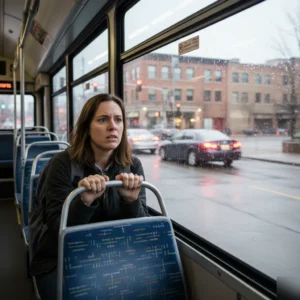
This is where most people get tripped up. And it’s the most important thing we can tell you about a Denver bus accident involving RTD.
RTD is a government entity. Full stop.
Under the Colorado Governmental Immunity Act, you have 182 days to file a written notice of claim against RTD. That’s roughly six months. Miss it by one day, your case is over, doesn’t matter how badly you were hurt, doesn’t matter how obvious the fault was. The Colorado Governmental Immunity Act, C.R.S. § 24-10-109, does not bend. The clock starts the day of the crash.
We’ve seen this play out with Greenwood Village residents who ride RTD routes along I-25 or catch buses near the Arapahoe at Village Center station. They focus on healing, which is the right instinct. They assume they have time. Then they call us at month seven, and we have to deliver news nobody wants to hear.
Why the CGIA Notice Matters More Than You Think
A standard motor vehicle accident claim in Colorado gives you 3 years under C.R.S. § 13-80-101. People hear “three years” and relax. But the 182-day CGIA notice requirement is a separate, earlier deadline that runs on top of the regular timeline. You need to satisfy both. The notice must be in writing, it must go to the right government entity, and it must contain specific information about the incident.
Not a suggestion. A hard legal requirement.
RTD isn’t the only government bus operator you might encounter. School district buses carry the same CGIA requirement. So do shuttles operated by the City of Denver, CDOT vehicles, or any other public agency. If a government entity operates the bus, that 182-day clock is running from day one, whether you know about it or not.
Government Buses Still Owe You a High Duty of Care
Here’s what the CGIA doesn’t take away. Government-operated buses are still common carriers under Colorado law. RTD drivers owe passengers the highest duty of care, same standard as any private bus company. The CGIA limits your timeline, but it doesn’t erase RTD’s obligation to operate safely.
What it does limit is your potential recovery. The CGIA caps damages against government entities at specific per-person and per-occurrence amounts (these adjust periodically, so confirm current figures with your attorney). Those caps sit far below what you might recover from a private company, a real problem if you’re sitting on six-figure medical bills from a serious injury.
So the move is to look at every possible liable party. Maybe the bus had a mechanical defect caused by a private maintenance contractor. Maybe a third-party driver forced the RTD bus to swerve. Maybe a road design flaw contributed to the crash near the DTC interchange. Each of those opens a separate claim against a non-government party, where CGIA caps don’t apply and your 3-year statute of limitations controls instead.
Insurance companies count on you not knowing any of this. They count on the 182-day deadline doing their work for them, quietly.
If you were hurt on an RTD bus or any government-operated bus near Greenwood Village, the first call you make should be to a bus accident lawyer who knows CGIA deadlines and can identify every liable party before time runs out.
For a free legal consultation, call (303) 465-8733
The 182-Day Deadline Is the Most Missed Rule in Bus Accident Claims
This is the rule that kills more bus accident cases than anything else. Not bad facts. Not weak injuries. A missed deadline.
Under the Colorado Governmental Immunity Act, you must file written notice within 182 days of the accident if a government entity is involved. That’s C.R.S. § 24-10-109. Miss it by one day, gone. No extensions. No exceptions. No second chances.
Most people don’t know this deadline exists.
Think about what those six months look like. You’re hurt in a bus accident on Arapahoe Road near the DTC. You go to the ER. You follow up with specialists. You’re dealing with pain, missed work, maybe surgery or physical therapy. Six months moves fast when you’re just trying to get your life back. And if that bus was operated by RTD or a school district, your window just closed, quietly, without warning.
Why This Deadline Catches So Many People
The standard statute of limitations for motor vehicle accidents in Colorado is 3 years under C.R.S. § 13-80-101. People hear “three years” and assume they have time. That 3-year clock only applies to private parties. Government entities play by different rules, and those rules favor the government.
We’ve seen this play out more times than we’d like. Someone calls our office seven or eight months after a bus accident, good case, clear liability, real injuries. But the bus was an RTD vehicle, nobody told them about the 182-day notice requirement, and there’s nothing we can do at that point. The law is rigid here, and courts don’t make exceptions out of sympathy.
The notice itself has specific requirements too. Not a phone call. Not an email. A written document that includes your name, the date and location of the accident, a description of what happened, and the injuries you suffered. It has to go to the right entity. RTD has its own claims process. A school district in the Cherry Creek or Littleton area has a different one. Filing with the wrong entity doesn’t count, and the clock keeps running while you figure that out.
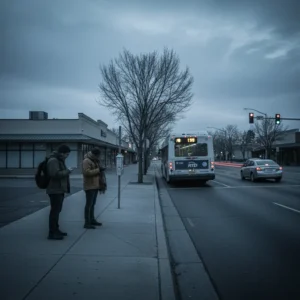 Which Greenwood Village Bus Accidents Trigger This Rule
RTD buses are the most obvious. Any route running through Greenwood Village or along the I-25 corridor near the Arapahoe at Village Center station falls under the CGIA. The light rail system does too.
School buses operated by Cherry Creek School District or Littleton Public Schools are government vehicles. A child injured on a school bus faces the same 182-day notice requirement, and their parents need to file it on their behalf.
City-owned shuttles or transit vehicles also qualify. If the City of Greenwood Village or Arapahoe County operates the vehicle, the CGIA applies.
But here’s where it gets complicated. Some buses that look like public transit are actually run by private contractors. RTD contracts with private companies for certain routes (by the way, this is more common than most riders realize, and it matters a lot for your claim). A private charter bus is a completely different legal situation. Figuring out who actually operated the bus on that specific route, on that specific day, determines which deadline controls and who you’re filing against.
Insurance companies count on you not knowing this. They’ll process your medical paperwork, keep conversations going, stay friendly, right past that 182-day mark. Then they point to the missed deadline and walk away clean.
If you were in a bus accident anywhere near Greenwood Village and a government entity might be involved, the clock is already running. A bus accident lawyer can file the proper notice, identify every liable party, and make sure a procedural technicality doesn’t wipe out your right to recover what you’re owed.
Frequently Asked Questions
What makes bus accident liability different from a regular car accident in Colorado?
Bus accidents often involve multiple liable parties at once, not just one driver. A standard car crash usually means one driver, one insurer. A bus crash can pull in the driver, the transit agency, a maintenance contractor, another driver, or even a parts manufacturer. Each party has its own defense team. Colorado’s modified comparative negligence rule under C.R.S. § 13-21-111 also means fault gets split by percentage. Missing even one liable party can cost you real money in medical bills and lost wages.
What is the 182-day deadline, and does it really apply to Greenwood Village residents who ride RTD?
Yes, it applies to you directly. RTD is a government entity, so the Colorado Governmental Immunity Act (C.R.S. § 24-10-109) controls your claim. You have 182 days from the date of the crash to file a written notice of claim. That clock starts the day of the accident. Greenwood Village riders who use RTD routes along I-25 or the Arapahoe at Village Center station are fully subject to this deadline. Miss it by one day, and your claim is gone, no matter how clear the fault was.
Can another driver on the road be liable if I was hurt on a bus near Arapahoe Road or Orchard Road?
Yes, another driver can absolutely be liable even though you were a passenger. If a distracted driver cut off the bus on I-25 near Arapahoe Road, or ran a stop sign along Orchard Road, their negligence can make them responsible for your injuries. You don’t have to be driving to have a claim against a third party. Insurance companies often argue passengers share fault for not holding on or being seated. Knowing all liable parties is how you protect your full recovery. Our Denver bus accident lawyer overview page explains how these claims are built.
Does a defective bus part mean someone other than the driver is liable?
Yes, and you may not need to prove carelessness at all. Under Colorado’s product liability statute (C.R.S. § 13-21-401), if a defective part like bad brakes, worn tires, or a faulty steering component caused the crash, the manufacturer can be held strictly liable. Strict liability means you prove the product was defective, and liability follows. The maintenance company that serviced the bus may also share fault. These are separate defendants with separate insurance coverage.
Is there a common mistake Greenwood Village bus accident victims make after a crash?
The most common mistake is assuming the standard three-year Colorado statute of limitations applies to every bus accident. It does not. If a government entity like RTD operated the bus, the 182-day CGIA notice deadline hits first. Many Greenwood Village residents focus on healing, which makes sense, but wait too long before looking into their legal options. By month seven, that window is already closed. The 182-day deadline and the three-year deadline are separate requirements, and you must satisfy both.
Does RTD still owe passengers a duty of care even though it’s a government agency?
Yes, RTD still owes you the highest duty of care under Colorado law. Government-operated buses are classified as common carriers, the same standard as private bus companies. The Colorado Governmental Immunity Act shortens your timeline and may limit your recovery amount, but it does not erase RTD’s legal obligation to operate safely. If an RTD driver was negligent, that duty was still breached. The CGIA changes the rules around your claim, not whether a duty existed.