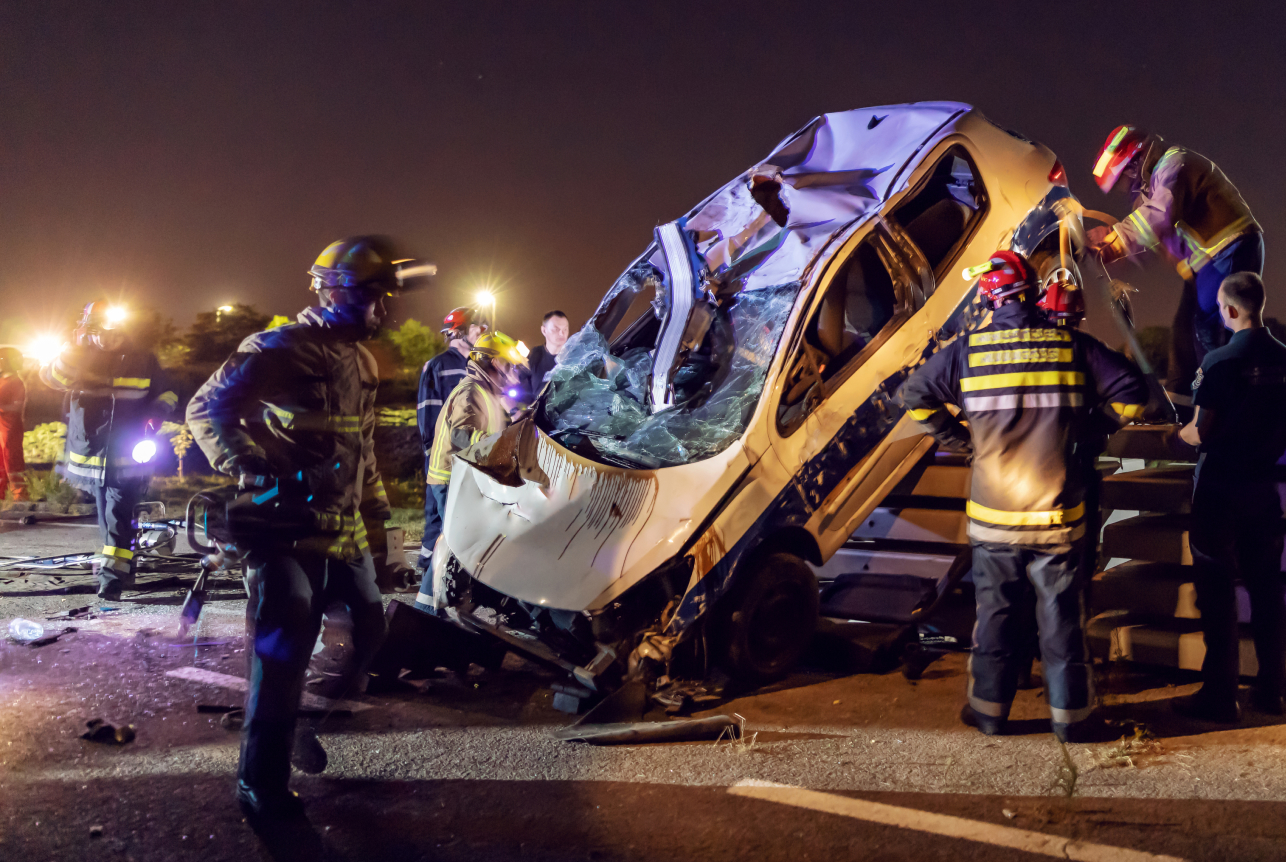
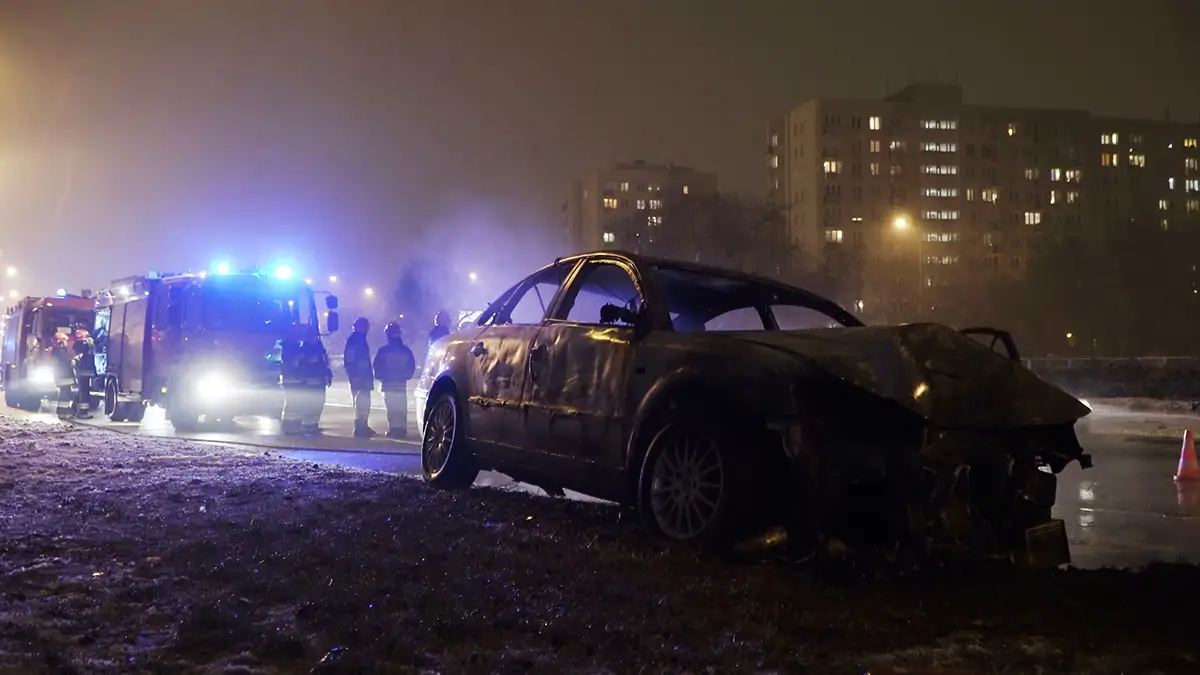



Fatal Car Crashes in Colorado — The Numbers Are Staggering
In the first six months of 2024, 294 people were killed on Colorado roads. While overall fatalities decreased 9% compared to the prior year, the leading causes remain unchanged: impairment, speed, and distracted driving — all preventable, all negligent.
Through the first four months of 2025, CDOT reported 103 traffic fatalities — a 21% decrease from the same period in 2024. Colorado’s new Hands-Free Law and updated child passenger safety requirements are contributing to the decline. But “fewer deaths” still means families across Colorado are burying loved ones who should still be alive.
The most dangerous crash types nationally tell a clear story about how fatal car accidents happen: approximately 45% of fatal two-car crashes are angle (T-bone) collisions, 30% are head-on collisions, and 17% are rear-end collisions. In Colorado, high-speed corridors like I-25, I-70, and I-76, combined with mountain highway driving, contribute to crash severity that exceeds national averages.
If your family has lost someone in a fatal car accident caused by another driver’s negligence, you may have the right to file a wrongful death claim. These cases are complex, time-sensitive, and too important to trust to a firm that doesn’t try cases.
294
traffic fatalities in the first six months of 2024 in Colorado. The top crash factors: impairment, speed, and distracted driving — all preventable. Source: CDOT, 2024
For a free legal consultation with a Personal Injury lawyer serving Denver, call (303) 465-8733
What Makes Fatal Car Accident Cases Different
A fatal car accident case is not simply a personal injury case where the injuries were worse. It’s a fundamentally different legal proceeding — governed by Colorado’s wrongful death statute, subject to different filing rules, and pursued by different parties than a standard crash claim.
The victim cannot speak for themselves. In every other personal injury case, the injured person tells their own story. In a fatal case, the attorneys must reconstruct what happened through evidence, witnesses, and expert analysis. The at-fault driver’s version goes unchallenged unless your legal team builds the counter-narrative.
The investigation window is short. Vehicle event data recorder (EDR) data can be overwritten or lost. Surveillance footage from nearby businesses disappears within days or weeks. Cell phone records require immediate subpoena. Toxicology results have chain-of-custody requirements. The physical evidence at the crash scene — skid marks, debris, road conditions — changes with weather and traffic. If your attorney isn’t securing evidence within the first days, it may be gone forever.
Multiple insurance policies may apply. The at-fault driver’s liability policy is just the starting point. Your loved one’s own UM/UIM coverage, employer policies if either driver was working, commercial vehicle policies, and umbrella coverage all need to be identified and pursued. In fatal cases, insurance companies frequently fail to disclose all available policies — because they know the claim value is high.
The damages are lifetime losses. A fatal car accident claim accounts for the deceased person’s projected lifetime earnings, their contributions to the household, the value of their guidance and companionship to surviving family members, and funeral and burial expenses. Calculating these damages requires forensic economists, vocational experts, and actuarial analysis — not a back-of-the-napkin estimate.
“Insurance carriers know which law firms try cases and you get better value on your case because of it. A lot of the ones that are running those big volumes, they don’t try anything. In fact, a lot of times they’re calling us to litigate and try their cases.”
Jason Jordan, Founding Partner, Jordan Law
How We Investigate Fatal Car Accidents
At Jordan Law, we treat every fatal car accident like it’s going to trial — because the investigation you do in the first weeks determines the outcome of the entire case.
Event Data Recorder (EDR) analysis — Most modern vehicles contain an EDR (often called a “black box”) that records speed, braking, steering input, seatbelt status, and airbag deployment in the seconds before, during, and after a crash. This data is objective, time-stamped evidence of exactly what happened. We secure EDR downloads immediately, before the vehicle is repaired, scrapped, or returned to the at-fault driver.
Cell phone and digital records — We subpoena the at-fault driver’s cell phone records, app usage data, and GPS logs to determine whether they were texting, calling, streaming, or using social media at the time of the crash. Colorado’s Hands-Free Law makes phone use while driving a violation of state law — and a violation of law at the time of a fatal crash is powerful evidence of negligence.
Toxicology and impairment evidence — If the at-fault driver was tested for alcohol or drugs, we obtain those results. If they weren’t tested — which happens more often than it should — we pursue other evidence of impairment, including witness testimony, surveillance footage from bars or restaurants, and the driver’s social media activity.
Accident reconstruction — We retain accident reconstruction engineers who analyze physical evidence (skid marks, vehicle damage, debris patterns, road geometry) to determine speed, point of impact, and the sequence of events. In disputed liability cases, reconstruction testimony is often the most important evidence at trial.
Surveillance and witness evidence — We canvass the crash area for surveillance cameras (businesses, traffic cameras, residential doorbell cameras) and locate witnesses before their memories fade.
“Cases start at a zero value. Just because you’re in a crash doesn’t mean you get anything. Building up your case is how we help you recover compensation for what you’ve been through. Building up means documenting, notating, preparing to present a case. But we do it in such a way that if an insurance company doesn’t take it seriously, we are prepared to take your case as far as we need — which can include trial.”
Sarah Freedman, Director of Pre-litigation, Jordan Law
Denver Car Accident Lawyer Near Me (303) 465-8733
Colorado’s Wrongful Death Law — Who Can File and When
Colorado’s wrongful death statute (C.R.S. § 13-21-203) establishes strict rules about who can bring a fatal car accident claim and when.
Year one: Only the surviving spouse may file a wrongful death action during the first year after death.
Year two: If the spouse has not filed, surviving children or designated beneficiaries may file. Parents of the deceased may also file in certain circumstances.
Siblings: Under HB 24-1472 (effective January 1, 2025), siblings of the deceased may now bring a wrongful death action in certain circumstances — a significant expansion of who has standing to pursue a claim.
Estate representative: If no eligible family member files within the allowed time, the personal representative of the deceased’s estate may bring the claim.
The statute of limitations for wrongful death is two years from the date of death — one year shorter than the three-year deadline for personal injury claims. In hit-and-run vehicular homicide cases, the deadline may extend to four years.
Warning: The two-year wrongful death deadline is strict. Missing this deadline means your family permanently loses the right to pursue compensation. Given the complexity of fatal car accident cases — the investigation required, the expert retention, the insurance analysis — you should contact an attorney as soon as possible.
Colorado’s Damage Caps in Fatal Car Accident Cases
Colorado HB 24-1472, signed June 3, 2024, significantly changed the damages landscape for wrongful death and fatal accident cases.
Noneconomic damages cap (general): Increased from approximately $613,760 to $1.5 million for cases filed on or after January 1, 2025. Adjusts for inflation beginning in 2028.
Wrongful death from medical malpractice: Cap increased to $550,000 in 2025, rising to $1.575 million by 2029.
Sibling wrongful death damages: Maximum set at $2.125 million.
Felonious killing standard: When the death was caused by a felony (such as vehicular homicide while DUI), no cap on noneconomic damages applies. This is one of the most significant provisions in the new law — and one that most Colorado PI firms don’t fully understand or know how to pursue.
Economic damages have no cap. Medical expenses incurred before death, funeral and burial costs, lost future earnings, and the value of household services the deceased would have provided are all recoverable without any statutory limit.
Click to contact our personal injury lawyers today
Common Causes of Fatal Car Accidents in Colorado
Drunk and impaired driving — In the first half of 2024, 91 fatalities involved an impaired driver. Jordan Law won a $45 million wrongful death verdict for the family of a mother killed by a drunk driver, and a $131 million verdict for a victim whose crash was caused by a driver who was over-served at a restaurant.
Distracted driving — Phone use, GPS, in-car entertainment, and eating while driving. Colorado’s Hands-Free Law (effective January 1, 2025) now makes holding a phone while driving a citable violation, strengthening negligence per se claims in fatal distracted driving cases.
Speed — Excessive speed reduces reaction time and dramatically increases crash severity. The energy in a collision increases exponentially with speed — a crash at 60 mph involves four times the energy of a crash at 30 mph.
Failure to yield and intersection crashes — T-bone collisions at intersections account for nearly 45% of fatal two-car crashes nationally. Drivers running red lights, rolling through stop signs, or turning without yielding to oncoming traffic.
Wrong-way driving — Often associated with impairment, wrong-way crashes on Colorado highways produce head-on collisions at combined speeds that are almost always fatal.
Unbuckled occupants — In the first half of 2024, 90 fatalities involved unbuckled occupants. While this doesn’t reduce the at-fault driver’s liability, insurance companies will use it to argue comparative negligence.
Compensation in Fatal Car Accident Cases
Surviving family members may recover:
Economic damages (no cap):
- Medical expenses incurred before death
- Funeral and burial costs
- Lost future income and benefits the deceased would have earned
- Lost household services and support
Noneconomic damages (capped at $1.5M under HB 24-1472, no cap for felonious killing):
- Loss of companionship, love, and affection
- Grief and emotional anguish
- Loss of guidance and counsel (particularly important when the deceased was a parent)
- Loss of consortium for a surviving spouse
Exemplary (punitive) damages:
- Available when the death was caused by intentional, malicious, or willfully reckless conduct — such as extreme DUI, street racing, or fleeing from law enforcement
“Colorado has one of the highest percentages of people driving around with no insurance. Uninsured or underinsured motorist coverage is coverage that you get to protect yourself and your family. I call it “you coverage” because it is coverage for you.”
Sarah Freedman, Director of Pre-litigation, Jordan Law
We review every available insurance policy — the at-fault driver’s liability coverage, your loved one’s own UM/UIM, employer and commercial policies, and umbrella coverage — to identify every source of compensation.
Complete a Free Case Evaluation form now
Criminal vs. Civil Cases — They’re Separate, and You Need Both
If the at-fault driver was charged with vehicular homicide, DUI, or another crime, the criminal case is handled by the district attorney. But a criminal conviction alone doesn’t compensate your family — it punishes the defendant. Your family’s financial recovery comes from the civil wrongful death claim, which is a completely separate proceeding.
Important distinctions:
Different burdens of proof. Criminal cases require proof “beyond a reasonable doubt.” Civil wrongful death cases require proof by a “preponderance of the evidence” — a much lower standard. This means your family can win a wrongful death claim even if the criminal case results in acquittal.
Different objectives. The criminal case seeks punishment. The civil case seeks compensation for your family’s losses.
A criminal conviction helps your civil case. If the at-fault driver is convicted, that conviction can be used as evidence in your wrongful death lawsuit. A felony conviction also triggers the felonious killing provision under HB 24-1472, eliminating the cap on noneconomic damages.
Don’t wait for the criminal case to resolve. Civil and criminal cases proceed on different timelines. You should file your wrongful death claim independently — waiting for a criminal conviction can cause you to miss critical deadlines and lose evidence.
What to Do After a Fatal Car Accident
Do not speak to the at-fault driver’s insurance company. They will contact you quickly, often expressing sympathy while simultaneously recording your words to use against your claim. Refer all communications to your attorney.
Preserve all evidence of your loved one’s life. Financial records (tax returns, pay stubs, employment contracts), photographs, communications, medical records if they received treatment before death, and documentation of their role in the family.
Obtain the police report and any criminal case filings. These documents contain critical information about the investigation, witness statements, and any citations or charges against the at-fault driver.
Contact a fatal car accident attorney immediately. The investigation needs to begin within days — not weeks or months. EDR data, surveillance footage, phone records, and toxicology evidence all have short preservation windows. The sooner your attorney sends preservation demands and begins investigation, the stronger your family’s case will be.
I have people tell me all the time, “I’ve been dealing with this insurance company for 20 years and they’ve always treated me great.” And I say, “Have you ever made a claim?” And they say, “No.” Well, okay. So the person who has been taking your money has been treating you great. Not surprising. Wait till you go to the claims department.
Jason Jordan, Founding Partner, Jordan Law
Our Fatal Car Accident Verdicts
Jordan Law’s trial record speaks for itself in fatal crash cases:
- $131 Million — Verdict for a car accident victim whose crash was caused by a driver who was over-served at a restaurant/bar
- $45 Million — Wrongful death verdict for the family of a mother killed by a drunk driver
- $40 Million — Wrongful death verdict for the family of a 33-year-old son
Past results do not guarantee future outcomes. Every case depends on its specific facts, injuries, and available insurance coverage.
Why Jordan Law for Your Fatal Car Accident Case
Proven wrongful death results. $131 million. $45 million. $40 million. These aren’t marketing numbers — they’re courtroom results achieved by trial lawyers who prepared every case to win in front of a jury.
We investigate like prosecutors. EDR data, cell phone records, toxicology, accident reconstruction, surveillance footage — we secure and analyze every piece of evidence that tells the story of how your loved one was killed and who is responsible.
We understand the new damage caps. HB 24-1472 fundamentally changed the wrongful death damages landscape in Colorado. The felonious killing standard, the sibling filing rights, the increased noneconomic caps — we know how to build cases that maximize recovery under the new law.
True trial lawyers. Insurance companies in fatal cases have the most to lose and fight the hardest. They need to know that your attorneys will take the case to verdict if they don’t pay fairly. Other personal injury firms regularly refer their most complex wrongful death cases to us for litigation — approximately 85% of our litigation caseload comes from attorney referrals.
No fee unless we win. We handle fatal car accident cases on a contingency fee basis. You pay nothing upfront. We invest in accident reconstruction, forensic economists, toxicologists, and medical experts at our own expense. Consultations are always free.
Contact Us Today For A Free Consultation
Take the first step toward recovery—schedule your free consultation or call today.
Fill out a form online or give us a call to request a phone or Zoom consultation, or schedule a time to come to our office and meet with an attorney.
Hesitant To Call A Lawyer?
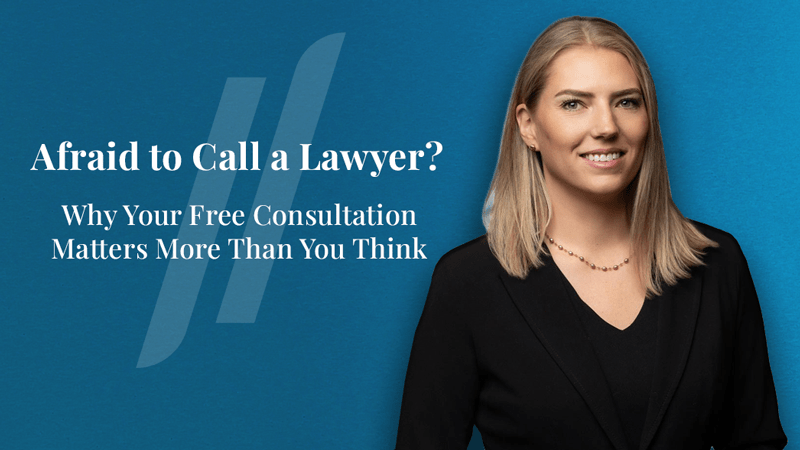
Don’t be! Many people who need a personal injury lawyer wait too long to call one — not because they don’t need help, but because they’re intimidated, overwhelmed, or afraid of doing something “wrong.” At Jordan Law, attorney Sarah Freedman sees this every day.
And she wants you to know one thing upfront: calling an attorney is easy and shouldn’t cause stress. Learn why.
Not sure what to expect from a free initial consultation with on of our lawyers? Here’s a detailed explanation of what you can expect from a free consult.
Our Denver, Colorado Office Location
Jordan Law Accident and Injury Lawyers – 5445 DTC Parkway Suite 1000 Greenwood Village CO 80111