



The Three-Year Rule: Colorado’s General Deadline for Car Accident Lawsuits
Here’s the number that matters most. You only get three years from your car accident date to file a lawsuit in Colorado. That’s it. This clock starts ticking the very day of your crash. It won’t wait for your physical therapy to finish. And it won’t pause for your insurance adjuster to finally call you back.
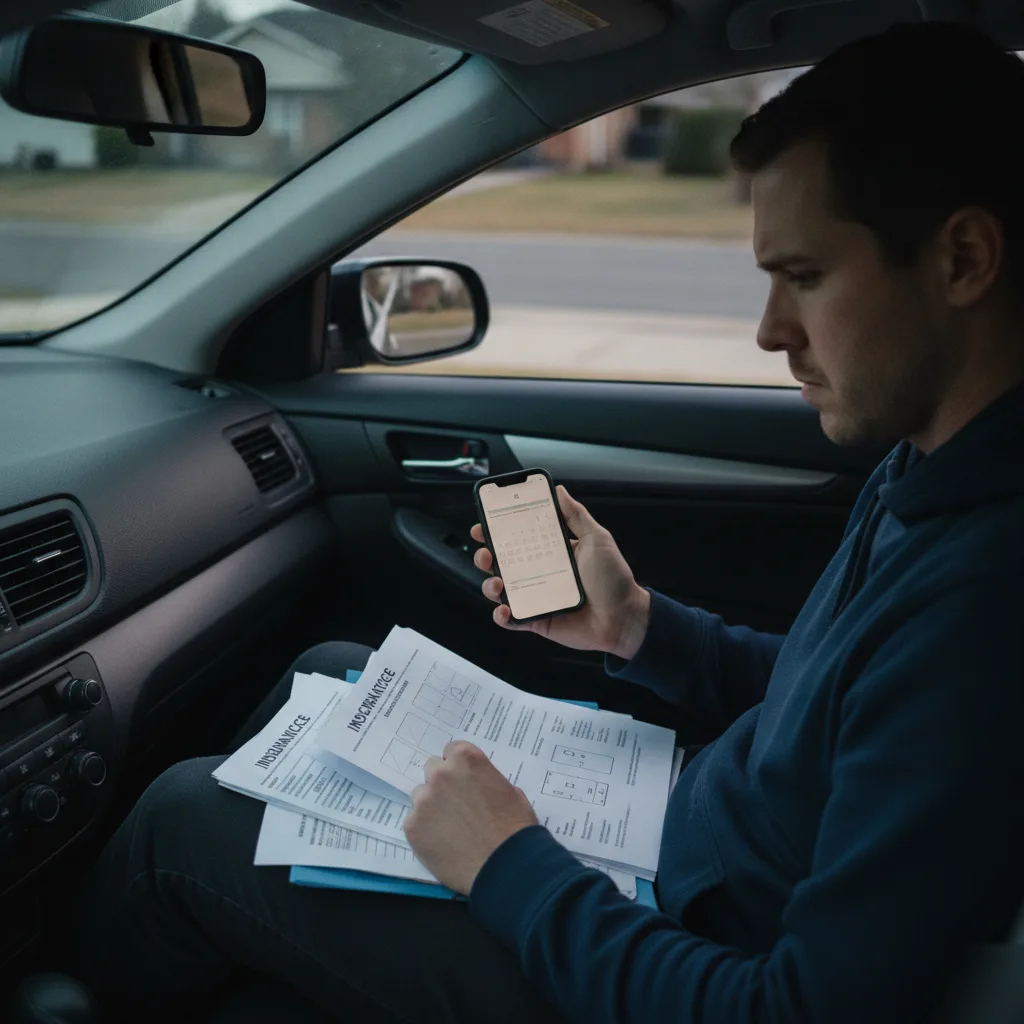
This deadline comes straight from C.R.S. § 13-80-101, Colorado’s personal injury statute of limitations. Miss it — even by a single day — and the court will almost certainly throw your case out. No second chances. No special exceptions just because you didn’t know the rule.
We see this happen more often than you’d expect. Someone gets hurt in a crash, maybe near I-25 and Arapahoe Road — a common spot in Greenwood Village. They spend months dealing with doctors and phone calls from the insurance company. They figure there’s plenty of time. But then a year and a half has flown by, they realize the insurance company is trying to lowball them, and now they’re scrambling for a car accident attorney in Denver right before the deadline hits. Insurance companies are counting on you not knowing this.
Why Three Years Feels Longer Than It Is
Three years sounds like a long time. It isn’t. A serious car accident case needs a lot of work. We need medical records, accident reports, and sometimes expert opinions. We might need accident reconstruction specialists. Gathering all of that takes months. Then your attorney needs time to build a strong case before filing anything with the court.
If you wait two years to talk to a lawyer, you’re asking them to do three years of prep work in just twelve months. That’s a rough spot for everyone — especially you.
Insurance adjusters often bank on exactly this confusion. They’ll drag out negotiations, getting closer and closer to that deadline. They know that once the statute expires, your power to negotiate drops to zero. You can’t threaten to sue if you legally can’t sue anymore.
The Date That Starts the Clock
For most car accident cases, that three-year period begins the exact day of the collision. But sometimes the discovery rule can apply. If an injury wasn’t immediately obvious — like a traumatic brain injury that doctors only diagnosed weeks later — the clock might start when you discovered the injury.
Don’t rely on the discovery rule saving you, though. Courts apply it very narrowly. The safest approach? Always treat the accident date as your starting point. Act fast.
One important thing to know: if your crash happened in another state but you live here in Colorado, you still follow that state’s deadline for filing in their courts. Where the accident happened determines which state’s law applies — not where you live. Colorado’s three-year statute under C.R.S. § 13-80-101 only applies to crashes that happened in Colorado.
So what should you do? Talk to a car accident lawyer early. Don’t wait for the insurance company to make an insulting offer. Don’t wait until you’ve “healed up.” Get in touch early. The sooner your legal team starts preserving evidence and documenting your injuries, the stronger your case will be when it truly matters.
For a free legal consultation, call (303) 465-8733
Why Your Insurance Claim Timeline Isn’t Your Lawsuit Deadline
This is where people often get confused — and insurers use that confusion to their benefit.

Your insurance claim is one thing. Your lawsuit is something else entirely. They operate on completely separate clocks. Filing a claim with State Farm or GEICO doesn’t stop, extend, or replace your statute of limitations. We’ve seen this play out hundreds of times here in Greenwood Village. Someone gets rear-ended near the I-25 and Orchard Road interchange, files an insurance claim the next week, and thinks they’re all set. Months pass. The adjuster takes their sweet time. Then suddenly two and a half years have gone by, the claim is still “under review,” and the lawsuit deadline is almost gone.
The insurance company won’t remind you. That’s the key.
As Jason Jordan, our founding partner, puts it: “I have people tell me all the time, ‘I’ve been dealing with this insurance company for 20 years and they’ve always treated me great.’ And I say, ‘Have you ever made a claim?’ And they say, ‘no.’ Well, OK — so the person who’s been taking your money has been treating you great. Not surprising. Wait till you go to the claims department.”
Here’s what usually happens in most car accident cases we handle. The injured person starts treatment. They deal with the other driver’s insurer. Weeks turn into months. The adjuster keeps asking for more records, more documentation, more time. None of that stops the three-year clock under C.R.S. § 13-80-101 from ticking away. And if it’s a wrongful death claim, that clock is only two years under C.R.S. § 13-21-204.
How Insurance Delays Can Eat Your Deadline
Insurance adjusters aren’t legally required to tell you when your statute of limitations is about to expire. So they don’t. Some common delay tactics look like this:
Repeat requests. The adjuster asks for medical records you already sent. This buys them another 30 to 60 days. The “second review.” They say a supervisor needs to look at your file before they can respond. The late lowball. They make an insulting offer near the very end of the process, hoping you’ll panic and accept. The sudden silence. They go quiet for weeks, then start communicating again like nothing happened. The “you don’t need a lawyer” line. They suggest hiring an attorney will only slow things down.
Every single one of these tactics burns time on your statute of limitations. That’s the whole point. The closer you get to the deadline without filing suit, the weaker your negotiating position gets. And if the deadline passes? Your case is gone. For good.
We see Greenwood Village residents who commute on DTC Boulevard or Arapahoe Road get caught in this trap all the time. A fender bender turns into a herniated disc diagnosis three months later. Treatment takes time. The insurance company knows you’re still treating, so they slow-walk everything. But your three-year window doesn’t care about your treatment plan.
Here’s a scenario we recently dealt with. A client came to us with 26 months already gone. She’d been dealing with the at-fault driver’s insurance the whole time — no lawyer involved. The adjuster had been polite and friendly. But the offers were insulting. She had less than ten months left to file. Had she waited another six months to call us, building a strong case before that deadline would have been nearly impossible.
So what’s the move? Treat your insurance claim and your lawsuit deadline as two separate tracks. Run them both. If you’re still negotiating with an insurer and you’re past the 18-month mark on a car accident claim, it’s time to talk to a car accident lawyer about protecting your right to file suit. You can keep negotiating while a lawsuit is filed. But you cannot file a lawsuit after the deadline passes — no matter how strong your claim might be.
Four Common Scenarios That Change Your Filing Deadline
Most people hear “three years” and think they have plenty of time. But the clock doesn’t always start the day of the crash. Sometimes the deadline is much shorter than three years. We’ve seen people lose their right to file because they assumed the standard rule applied to them. It didn’t.
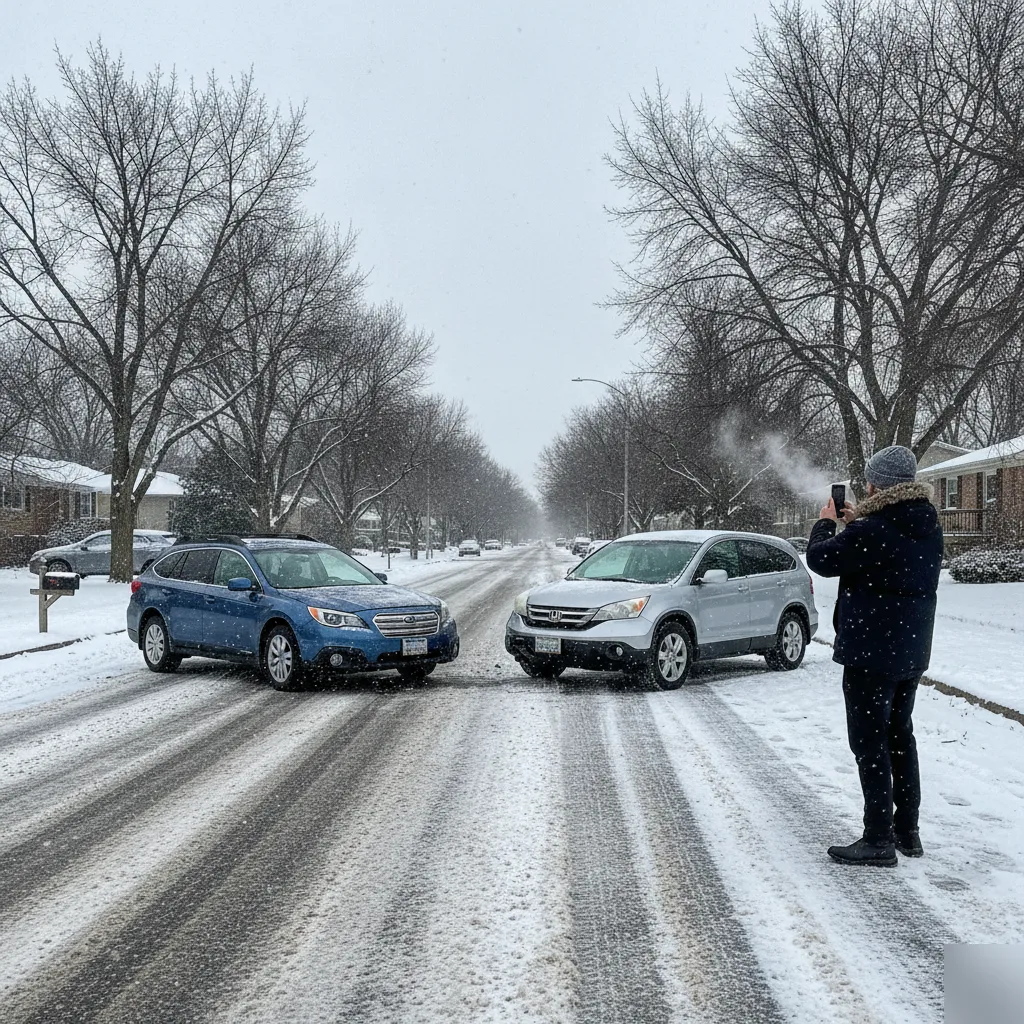
Here are four situations where your filing deadline shifts in ways you might not expect.
1. The Crash Involved a Government Vehicle or Road Defect
This one catches a lot of people by surprise. If a city bus, an RTD vehicle, a CDOT snowplow, or any government-owned vehicle caused your crash, the rules change fast. Under the Colorado Governmental Immunity Act under C.R.S. § 24-10-109, you only have 182 days to file a written notice of claim. That’s about six months. Miss that short window and your case is likely gone — no matter how serious your injuries are.
The same applies if a poorly maintained road or a missing guardrail near I-25 through Greenwood Village played a role in your crash. Government entity, government rules. And those rules are very strict.
2. The Injured Person Was a Minor
Colorado law pauses the statute of limitations for children. If your child was hurt in a car accident, the three-year clock under C.R.S. § 13-80-101 generally doesn’t start running until they turn 18 — meaning they’d have until age 21 to file.
But here’s what most parents don’t realize. Waiting that long can seriously hurt a case. Witnesses move away. Evidence disappears. Memories fade. Just because the law gives you extra time doesn’t mean using all of it is smart.
3. The At-Fault Driver Left the Scene or Was Unidentified
Hit-and-run crashes along corridors like Arapahoe Road and near the DTC happen more often than you might think. When the other driver is unknown, you’ll likely need to file a claim under your own uninsured motorist coverage. The statute of limitations still applies, but the process looks different.
Adjusters often count on that gap in knowledge. They’ll drag their feet on your UM claim, hoping you’ll accept less or miss a deadline. If you were the victim of a hit and run, talk to a car accident lawyer before you talk to your own insurer.
4. Injuries Didn’t Show Up Right Away
Some injuries take weeks or even months to fully reveal themselves. Traumatic brain injuries are a big one. So are herniated discs that initially feel like “just a sore back.” Colorado does recognize what’s called the discovery rule in some cases — the idea that the clock starts when you knew, or reasonably should have known, about the injury.
But don’t bank on this rule being your safety net. Courts interpret the discovery rule very narrowly. And the insurance company’s lawyers will argue you should have known sooner. Every day you wait gives them more ammunition.
The bottom line is simple. Your actual deadline might be three years, two years, six months, or something else entirely. It depends on who hit you, what kind of vehicle they were driving, how old you were, and when your injuries became clear. If any of these scenarios sound like your situation, the safest move is to get answers now. Don’t guess.
Our Greenwood Village, Colorado Office Location

Our main office is located in Greenwood Village, also known as the Denver Tech Center, just south of Downtown Denver.
Jordan Law Accident and Injury Lawyers
5445 DTC Parkway Suite 1000 Greenwood Village CO 80111
Frequently Asked Questions
Does the “discovery rule” give me more time if my injury shows up later?
Sometimes — but courts only allow this in narrow cases. If a doctor didn’t find your injury right away, like a brain injury discovered weeks after the crash, the clock might start on the discovery date instead of the crash date. Don’t count on this rule to save you, though. Judges look at these cases closely and often side with the standard three-year deadline. The safest plan is to treat your crash date as day one and act right away.
If my insurance claim is still open, does that stop the lawsuit deadline?
No — an open insurance claim does not pause your filing deadline. Your claim and your lawsuit run on two completely separate clocks. Adjusters can keep a claim “under review” for months while your three-year window keeps shrinking. Many people near Greenwood Village think staying in contact with an adjuster protects their legal rights. It doesn’t. Filing a claim only starts a conversation with the insurer — not a legal case in court.
What actually happens if I miss the three-year deadline?
If you miss it, the court will almost always dismiss your case for good. There are no extensions for forgetting the rule or for still healing from your injuries. Once the deadline passes, you lose your legal right to sue — no matter how strong your evidence is. This is why insurance adjusters sometimes slow-walk negotiations near the end. Once your time runs out, your ability to push back on a lowball offer disappears completely.
I live in Greenwood Village but was in a crash in another state. Which deadline applies?
That other state’s deadline applies — not Colorado’s. Where the crash happened, not where you live, determines which state’s law controls your filing window. Colorado’s three-year statute under C.R.S. § 13-80-101 only applies to crashes that happened in Colorado. If your accident occurred across state lines, you need to know that state’s specific deadline. It’s a common mix-up we hear often — don’t assume Colorado’s rules cover you.
When should I stop handling this on my own and call a lawyer?
Call a lawyer as soon as you notice the insurance company slowing down or asking for the same paperwork twice. Those are classic delay tactics that eat away at your three-year window while you wait. Building a solid case takes months of gathering records and reports, so waiting until close to the deadline leaves very little room to work. The team at Jordan Law Accident & Injury Lawyers can review your case early and help you understand exactly where your deadline stands.
Does the three-year clock start on the crash date or after I finish medical treatment?
It starts on the crash date in almost every case. Colorado law doesn’t wait for you to finish physical therapy or reach “maximum recovery” before the clock begins ticking. Some people mistakenly believe healing time gets added on — that’s not how the statute works. Because of this, it’s smart to start documenting injuries and gathering evidence right after your crash, well before you feel fully recovered.
Click to contact our personal injury lawyers today
Ready to Get Started?
Arrange a Free Consultation. Call 303-465-8733 today.