



Why What You Say Depends on Who You’re Talking To
Most people never think about this after an accident in Greenwood Village. It isn’t just what you say — it’s who you say it to. What you share with an experienced personal injury attorney in Denver should be completely different from what you share with an insurance adjuster. But people get this backwards all the time, and it costs them.
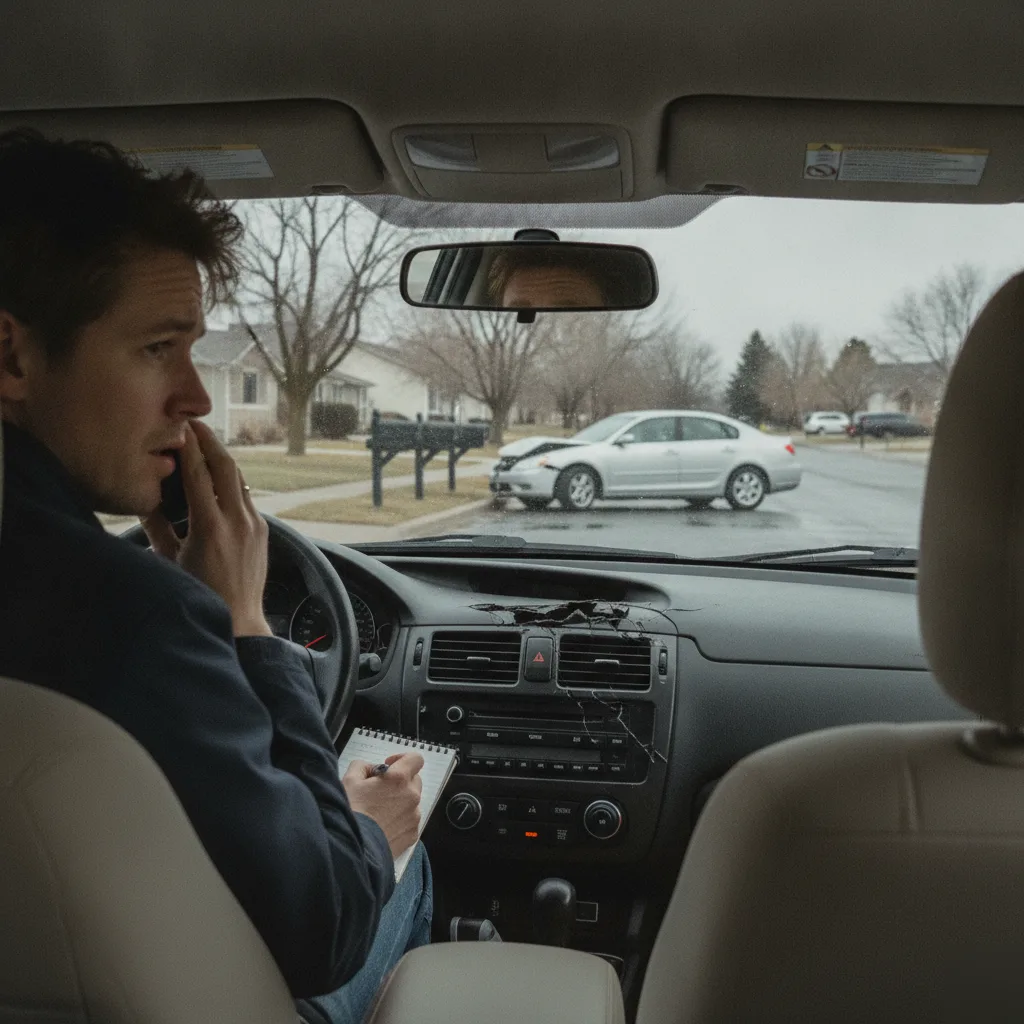
Your attorney needs to know everything. Every detail, even the ones that make you uncomfortable. That’s how a lawyer builds a strong case and makes sure the other side can’t surprise you later. An insurance adjuster needs almost nothing from you. Yet most clients end up telling adjusters a lot and withholding information from their attorney.
It doesn’t make sense — but it happens constantly.
Talking to the Insurance Company
The insurance company is counting on you not knowing this. Anything you say to an adjuster can be used to lower or deny your claim. That phone call three days after your crash on Arapahoe Road was almost certainly recorded. The adjuster is friendly. They ask how you’re doing. You’re polite, so you say “I’m doing fine.” Now there’s a recorded statement on file saying you’re fine.
Under Colorado’s modified comparative negligence law under C.R.S. § 13-21-111, the insurance company only needs to show your fault was 50% or higher to deny your claim entirely. They’ll use everything you say to push that number up. “I didn’t see them” or “maybe I could have braked sooner” — phrases like those can be used to put the accident on you. They aren’t your friend. They are looking for every angle to reduce what they owe you.
So what do you say to the insurance company? As little as possible. Your name and your policy number. That’s it. Let your personal injury attorney handle everything else.
Talking to Your Lawyer
Talking to your lawyer should be the exact opposite — nothing held back. We see it happen all the time. Someone tells their lawyer much later in the case about a prior back injury, or that they were texting right before the crash. By then the other side has already found out, and now we’re playing defense instead of being prepared. That’s a hard spot to be in.
Tell your personal injury attorney about prior injuries. Tell them about the social media photo where you looked happy two weeks after the accident. Tell them if you had even one drink before the crash. Everything you share with your lawyer is covered by attorney-client privilege. It stays between you and your attorney. It cannot come out without your permission.
Your lawyer is the only person in this entire process whose job is to fight for you. The insurance adjuster, the other driver’s attorney, and even well-meaning friends who say “just tell them what happened” are not on your side.
Social Media, Friends, and Family
This is the one that catches the most Greenwood Village residents off guard. A social media post showing a hiking trip to Cherry Creek State Park after you filed a claim can be used against you at trial. Arapahoe County defense lawyers pull social media posts during discovery regularly. Even a comment on a friend’s post can be taken completely out of context.
The rule is simple. Don’t talk to anyone about your case except your personal injury lawyer. Not your coworker. Not your neighbor. Not your Facebook friends. Everyone means well — but whatever they say to someone else can end up as a witness statement.
If you’re not sure what you should and shouldn’t be saying about your claim, that’s exactly why you need a lawyer before you talk to anyone else.
For a free legal consultation, call (303) 465-8733
Statements That Can Unknowingly Hurt Your Personal Injury Claim
Nobody walks into our office planning to damage their own case. But we’ve seen it happen hundreds of times. One casual remark can change how an insurance adjuster sees your claim, how a jury views you, or how much you walk away with. The damage is invisible at first. You just end up with a lower settlement and no clear idea why.
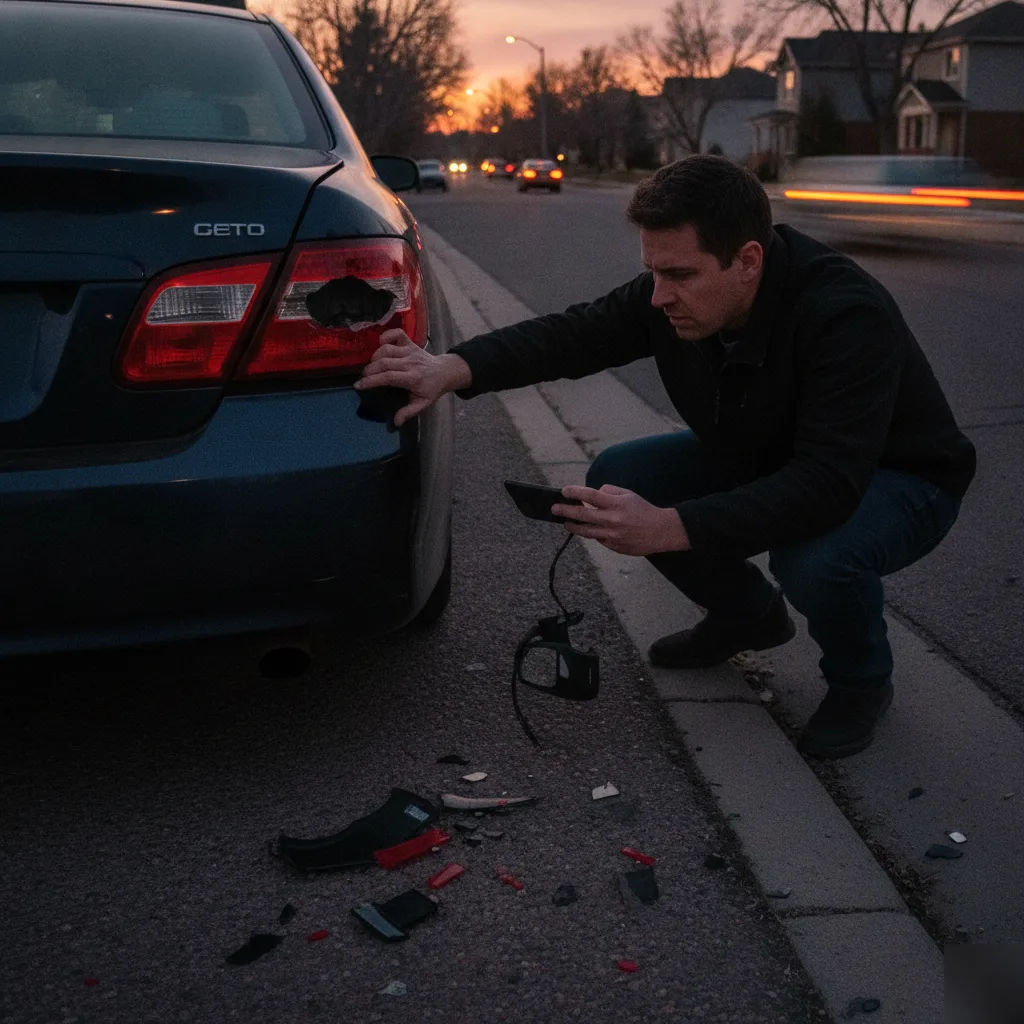
Here’s how it plays out. You’re still hurting from a car accident on Arapahoe Road or a slip and fall near the Landmark shopping center. Someone asks how you’re feeling. You say “I’m good, it isn’t that bad.” That’s not unusual. That’s not dramatic. And it can absolutely be used as evidence against you.
Adjusters are trained to listen for phrases that minimize your injuries or suggest you share some blame for the accident. Under Colorado’s modified comparative negligence standard under C.R.S. § 13-21-111, if they can get your fault to 50% or higher, you get nothing. Every word counts.
The Phrases That Cause the Most Damage
“I’m fine” or “I feel okay.” This gets used at depositions and in court. Pain from car accidents, brain injuries, and spinal injuries often doesn’t show up for days or weeks. Saying you’re fine at the scene creates a record that directly contradicts your medical records later.
“It was sort of my fault.” You might have felt that way in the moment — maybe you were distracted, or you think you could have braked sooner. Fault is a legal question, not a gut feeling. Adjusters will take that admission and use it exactly as stated.
“I don’t think I need to go to the hospital.” Telling the other driver’s insurance company you didn’t feel hurt enough to seek care is a trap. They will use that statement to argue your injuries aren’t serious.
“I had a prior injury that was already bothering me.” A prior condition doesn’t void your claim under Colorado law — but sharing that detail hands the insurer a way to blame your injuries on something other than the accident. We see this in Greenwood Village all the time. A driver rear-ended near I-25 and DTC Boulevard mentions a history of back pain to the adjuster. The carrier then argues the herniated disc was pre-existing and slashes their offer by 50%.
Why Your Words Matter
Anything you say to an insurance adjuster can be recorded. Colorado is a one-party consent state — the adjuster doesn’t need your permission to record the call. Your offhand “I think I’m doing better” becomes evidence.
So does what you post online. A smiling photo at a family dinner in Cherry Hills doesn’t mean you aren’t in pain. But a defense lawyer will absolutely show that photo to a jury and ask why you look so happy if you’re truly as hurt as you claim.
The solution is straightforward. Say as little as possible. Never give a recorded statement without talking to a personal injury lawyer first. Don’t post about your accident or your recovery. And never apologize at the scene — even if it feels like the polite thing to do.
If you’ve already said something you’re worried about, that doesn’t mean your case is over. It means you need an experienced lawyer fast. Reach out to Jordan Law before the insurance company uses your words to shrink your settlement.
What You Should Tell Your Attorney — Including the Part You’re Ashamed Of
Everything we’ve said above about what not to say to adjusters and at the scene does not apply to your attorney. With your personal injury lawyer, you share everything. The good, the bad, and the things you’re afraid will hurt you.
Every week in our Greenwood Village offices we see it — a client holds back one detail because they’re worried it will damage their case. Then that same detail comes out in discovery or at a deposition, and now the client looks like they were hiding something. That’s far worse than having disclosed it upfront.
Why Full Disclosure Helps
Your communications with your lawyer are privileged. Whatever you tell your attorney stays between you and your attorney. The insurance company will never see it. The defense will never get it. A judge cannot force your attorney to reveal it. There is no risk in being completely honest with your personal injury lawyer. The only real risk comes from keeping your attorney in the dark.
Here’s a real example. Say you had two beers before a crash on Arapahoe Road and you’re afraid to mention it. You leave it out. Your attorney builds a case assuming you were completely sober. Then the other side pulls a restaurant receipt or a credit card statement showing the drinks. Your credibility is destroyed. Your lawyer is caught off guard.
Under Colorado’s modified comparative negligence statute under C.R.S. § 13-21-111, if the jury decides you were 50% or more at fault, you recover nothing. But if your attorney had known about those two beers from day one, they could have built a strategy around it. Maybe the alcohol played no role at all. Maybe the other driver was speeding through a red light. A good trial lawyer knows how to handle difficult facts — but only when they actually know about them.
Here are the facts your lawyer most often needs to know:
Prior injuries to the same body part. If you hurt your back in 2019 and hurt it again in a 2024 crash, tell your lawyer. Your medical records will show the prior injury anyway, and your attorney needs to argue for recovery of the aggravation of a pre-existing condition — not get blindsided by it.
Social media posts after the accident. Did you post yourself at a birthday party while claiming you were housebound from your injuries? Tell your attorney before the defense finds it — because they will find it.
Gaps in your medical treatment. Did you miss three weeks of physical therapy because your job wouldn’t give you time off? To an insurance adjuster, that gap looks like your injuries weren’t serious enough to keep up with treatment. Your attorney can only address that gap effectively if you explain why it happened.
Anything you already said to the other driver or their insurer. Did you give a recorded statement? Did you say “I’m just fine” at the scene? Your lawyer needs to know exactly what you said, ideally word for word.
You are the only person in this entire process whose job is to fight for you. Silence helps the insurance company. The adjuster is counting on your lawyer’s client being too nervous or confused to be fully honest. Don’t give the adjuster that advantage.
When in doubt, tell your attorney everything. Let your lawyer decide what matters. A fact disclosed upfront that turns out to be irrelevant is far better than being blindsided by an important issue six months into your claim.
Our Greenwood Village, Colorado Office Location

Our main office is located in Greenwood Village, also known as the Denver Tech Center, just south of Downtown Denver.
Jordan Law Accident and Injury Lawyers
5445 DTC Parkway Suite 1000 Greenwood Village CO 80111
Frequently Asked Questions
Should I give a recorded statement to the insurance adjuster after an accident on Arapahoe Road?
No. Give only your name and policy number, then stop talking. Adjusters record these calls and use casual phrases like “I’m fine” against you later. Pain from crashes on busy roads like Arapahoe Road often shows up days after the accident, so an early statement can contradict your medical records down the line. Let a Greenwood Village personal injury lawyer handle all adjuster conversations from the start.
What is the real difference between talking to my lawyer and talking to an insurance adjuster?
The difference is protection. Everything you tell your lawyer is covered by attorney-client privilege and stays private. Everything you tell an adjuster can be used to reduce or deny your claim. Your lawyer needs full details — including old injuries or a text you sent before the crash — to build your case correctly. An adjuster needs almost nothing from you except basic identification. Mixing up who gets what information is one of the most common and costly mistakes people make.
Can a social media post about a hike at Cherry Creek State Park really hurt my claim?
Yes — even a post that seems completely harmless can hurt your claim. Arapahoe County defense lawyers regularly pull posts, photos, and comments during discovery to argue you aren’t as hurt as you claim. A smiling photo from Cherry Creek State Park taken weeks after your injury can be shown to a jury out of context. The safest move is to stay off social media entirely until your case closes.
Why does Colorado’s fault law make my exact wording so important?
Colorado’s fault law can wipe out your entire claim if you’re found 50% or more at fault under C.R.S. § 13-21-111. This is called modified comparative negligence. Casual remarks like “maybe I could have braked sooner” hand the insurance company exactly what it needs to push your fault percentage past that line. Adjusters listen for these phrases on purpose. Careful wording, guided by a personal injury lawyer, protects your right to full compensation.
Is it okay to talk about my case with a coworker or neighbor?
No. A friendly comment to a coworker or neighbor can turn into a witness statement used against you. People who mean well — including family members — can still repeat details that hurt your claim. Keep case details between you and your attorney only. This one habit prevents most of the accidental damage we see in claims across Greenwood Village.
What if I already said something that might hurt my claim?
You can still protect your case even after saying something you regret. Statements like “I’m fine” or “it was sort of my fault” don’t automatically end your claim — but they need to be addressed quickly. A lawyer can review what was said, gather medical records, and build context around the comment before the other side uses it. The sooner you speak with a personal injury lawyer, the more options you have to correct course.
Click to contact our personal injury lawyers today
Ready to Get Started?
Arrange a Free Consultation. Call 303-465-8733 today.