


What “Suing” Really Means After a Hit-and-Run
People always imagine court. Like a movie. A judge, a jury, a big payout. But suing for a hit and run? It usually looks nothing like that.
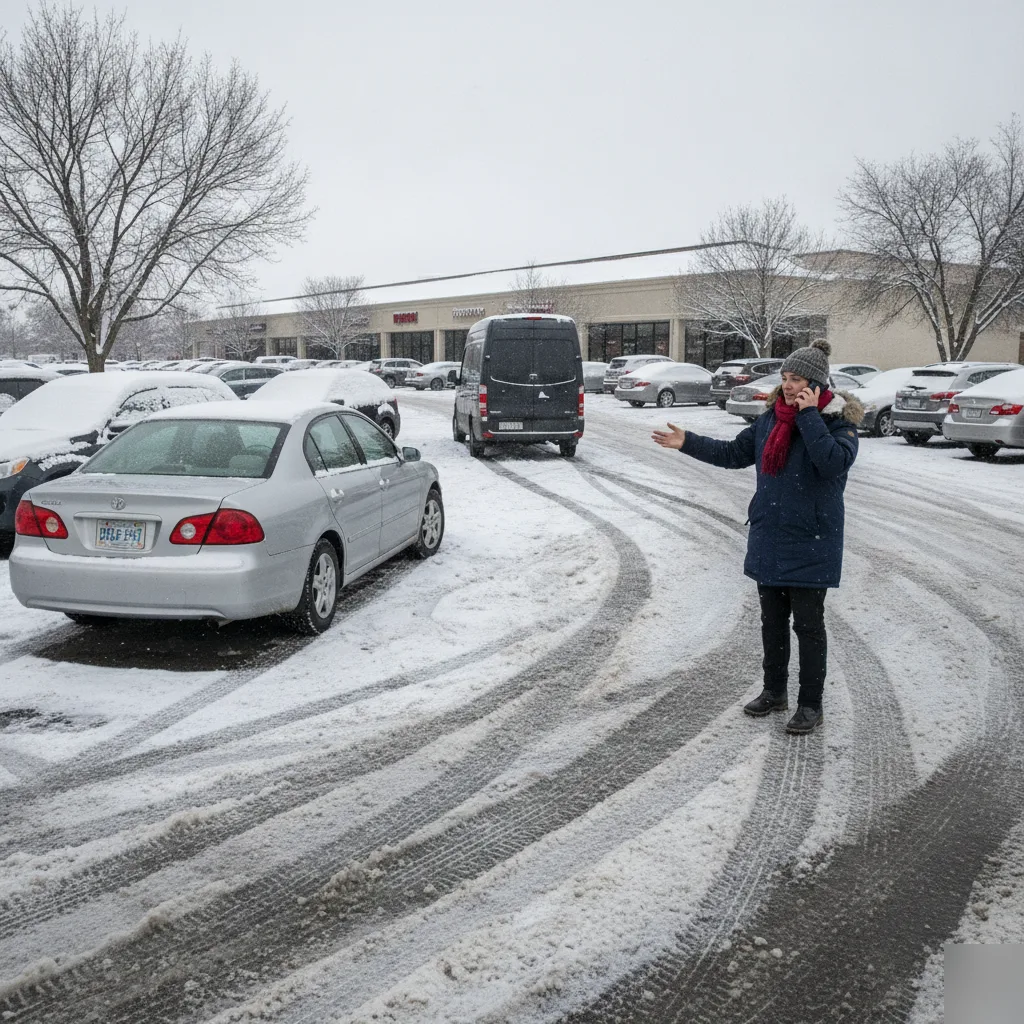
Here in Colorado, filing a lawsuit after a hit and run is a civil action. It’s totally separate from any criminal charges the driver might face. The criminal case is the state’s problem. Your civil case, the one a Denver auto collision attorney would help you pursue, is about money. Your medical bills, your lost pay, your pain. Two different tracks running at the same time.
This is where folks get confused. You don’t need a criminal conviction to sue. Police don’t even need to find the driver first. If we can spot the driver, maybe from surveillance video, witness accounts, or car bits left behind, we can file a civil lawsuit. Right here in Arapahoe County District Court. We’ve seen cases in Greenwood Village where a single doorbell camera on a house near Orchard Road cracked the whole thing open., it’s often small details that matter most.
What if they never find the driver? You still have ways to get help.
The Two Paths Forward
Path one: the driver is identified. We file a personal injury case straight against them. Their car insurance usually pays for their defense. And it pays out any settlement or verdict. In Colorado, a three-year limit applies to motor vehicle accidents, under C.R.S. § 13-80-101. This countdown begins on the accident day. Not when they finally catch the driver.
Path two: the driver stays unknown. This is when your own uninsured motorist coverage steps up. You make a claim on your own policy. If your insurer tries to pay you too little, or just says no, you can sue them. That’s right, your own insurance company. Colorado has a bad faith insurance law, C.R.S. § 10-3-1116. It lets us seek double damages and attorney fees if they drag their feet or unfairly deny a real claim. Insurance companies count on you not knowing this.
We see this mistake all the time. Folks think “suing” means they need the other driver’s name. And their address. They just wait. They stall, miss key deadlines. But the truth is, the law gives you options for both situations.
Think about it. You get hit from behind at Arapahoe Road and Yosemite Street. The other car just vanishes. You get hurt. Miss two weeks of work. Then your own insurer offers you peanuts. A lawsuit isn’t about getting even. It’s the official way to make them truly count what you lost.
You need to know about Colorado’s modified comparative negligence rule, C.R.S. § 13-21-111. The other side will try to blame you. Even in a hit and run. They’ll say you stopped too fast. Or changed lanes without a blinker. Maybe you didn’t hit the brakes. If they get your fault to 50% or more, you get zero. So building a tight case right away? That’s huge. Way more important than most people think.
“Suing” just means this: I got hurt. Someone else did it. I want a court to fix it. That’s all. No big show. If you want to know how our hit and run accident lawyers handle these from the very beginning, that’s a good place to start.
For a free legal consultation, call (303) 465-8733
Why Driver Identification Decides Your Options
Every hit and run case boils down to one thing. Can we find the driver? That answer changes everything. It controls how we move forward. Do we go after their insurance? Your own policy? File a lawsuit? We’ve seen this play out hundreds of times. Finding that driver is the single biggest decider for your case.
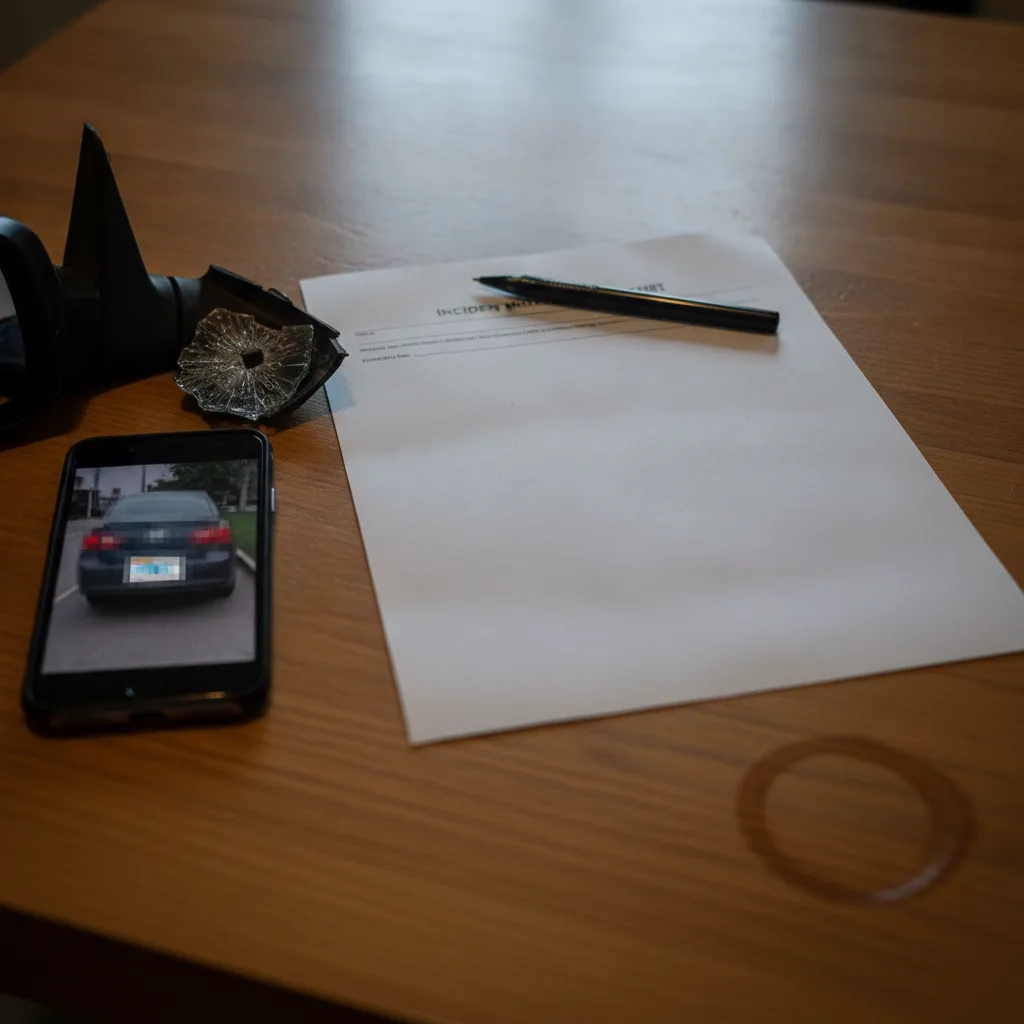
Here’s what many folks don’t get. You don’t always need a full license plate. Sometimes, just part of it is enough. A witness telling us about the car helps a lot. Surveillance cameras along Arapahoe Road or by the shops at The Landmark can catch footage. That can fill in what’s missing. Even paint bits on your car can help us narrow the search.
When the Driver Is Found
If police or investigators find the hit and run driver, things open up quickly. We can go after their liability insurance. And we can file a civil lawsuit for what you’ve lost. Here in Colorado, the fact they ran away? That helps your case. Juries don’t look kindly on someone who hit you and just takes off. A judge or jury can absolutely factor that into their decision.
Colorado’s modified comparative negligence rule (C.R.S. § 13-21-111) still applies. The insurance company will try to say you were partly to blame. They might claim you were jaywalking near Orchard Road. Or wearing dark clothes at night. But the other driver fleeing? That makes their arguments much tougher to swallow. Running away from a crash is strong proof of fault.
When the Driver Stays Unknown
This part gets harder. If no one finds the driver, you can’t sue a ghost. But you’re not out of luck. Your own uninsured motorist coverage takes over. Colorado law says insurers must offer UM/UIM coverage. Most drivers in Greenwood Village have it.
Here’s the catch. Your own insurance company is not your friend when you make a UM claim. They’ll fight you on your injuries. Just like the other driver’s insurer would. A lot of insurers bank on you not knowing this. They act helpful at first, then try to pay you less when it counts.
We see this mistake often. People think their own insurer will treat them right. “I’ve been with them for years!” they say. That’s just not how the claims department operates.
If your insurer behaves badly during a UM claim, Colorado’s bad faith statute, C.R.S. § 10-3-1116, lets you get double damages and attorney fees. That’s a powerful tool, it has real teeth.
How Identification Happens in Practice
Police reports help. But they are just the start. A hit and run accident lawyer can send letters to nearby businesses. These letters tell them to save security footage. Most systems erase video after 30 to 72 hours. So moving fast is.
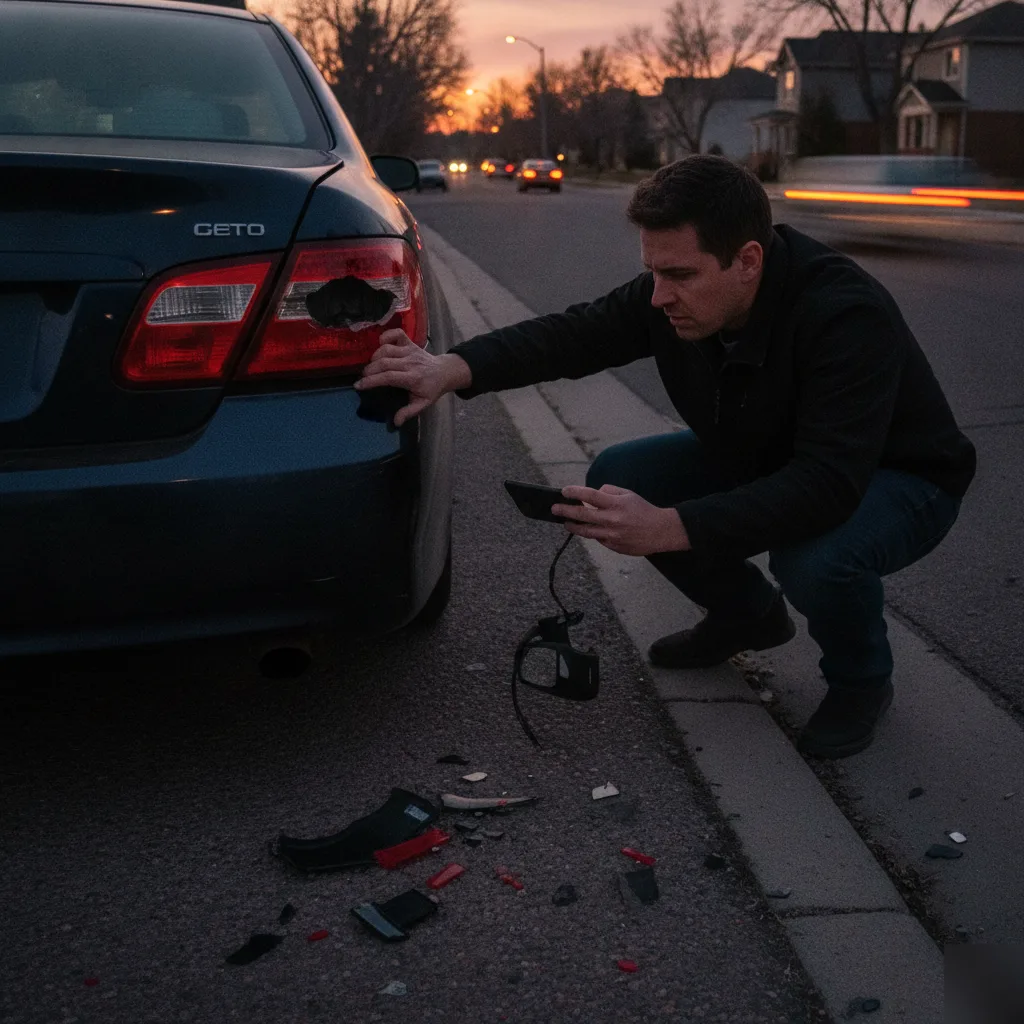
Social media, body shop records, and even apps like Nextdoor have helped us find hit and run drivers. Right here around the Denver Tech Center and Greenwood Village. We handled one case where a neighbor’s Ring camera caught the driver. It was three blocks from the crash on Yosemite Street. Without that video, that case would have ended up as a UM claim. Not a direct one against the driver.
Here’s the plain truth. The faster you move to save evidence and find that driver? The more options you keep. Waiting just a few days can shut doors forever. If you were hit in Greenwood Village and the other driver fled, talk to a hit and run accident lawyer now. It gives you the chance to keep every single option open.
Uninsured Motorist Coverage: The Path Most Victims Use
Here’s what most people figure out too late. Suing the hit and run driver? That’s usually Plan B. Plan A is your own insurance.

Here in Colorado, uninsured motorist (UM) coverage is what usually pays hit and run victims. The driver who hit you is gone. Police might find them, they might not. But your UM policy treats this exactly like a crash with a driver who has no insurance. You can file a claim against your own insurance company today. No waiting for an arrest or finding the driver.
How UM Coverage Works After a Hit and Run in Greenwood Village
Colorado law doesn’t make UM coverage mandatory. But insurers have to offer it. If you have it, your policy starts working when the driver at fault has no insurance or can’t be found. A hit and run definitely counts. You file your claim with your own company. They then act like the missing driver’s insurer.
Sounds simple. It’s not,
“I have people tell me all the time, ‘I’ve been dealing with this insurance company for 20 years and they’ve always treated me great.’ And I say, ‘Have you ever made a claim?’ and they say, ‘no.’ Well, ok, so the person who has been taking your money has been treating you great. Not surprising. Wait till you go to the claims department.”, Jason Jordan, Founding Partner
We’ve seen this play out hundreds of times, right here at our Greenwood Village office. A client gets hit from behind near the Orchard Road interchange. The other car takes off. Then their own insurer starts acting like the bad guy. They’ll question if the crash even happened. They’ll try to pay you less for your medical bills. They’ll stall, hoping you’ll just take whatever they offer.
What Your Insurer Might Try
Few insurers tell you this: under Colorado law (C.R.S. § 10-3-1116), if your insurer unfairly delays or denies your UM claim, you can go after bad faith penalties. That means double damages. Plus attorney fees. It’s a real tool, a strong one. But you have to know it’s there. And you have to fight back.
We see three moves insurers make with hit and run UM claims. First, they say you can’t prove the other driver was at fault. Nobody found them, right? Second, they claim your injuries were there before the crash. Third, they push you for a recorded statement early. Before you’ve seen a doctor. Or talked to a lawyer. Every single one of these tactics tries to cut your money down.
So, what’s the plan? Report the hit and run to Greenwood Village police right away. Get your medical treatment documented. Then call a hit and run accident lawyer. Do this before you give your insurance company any recorded statement. The order here really matters.
UM Coverage Has Limits
Your UM policy only pays up to the limit you bought. Many Colorado drivers have $25,000 or $50,000 in UM coverage. If your injuries are bad, that might not even touch your losses. Colorado law has no cap on economic damages, which is good. But your policy limit is still your policy limit.
That’s where suing the hit and run driver comes back into play. If police do find that driver, we can file a civil lawsuit for damages beyond your UM limits. And if they were working when they hit you? Their boss might be on the hook too. But usually, the UM claim is where we start getting you money.
Most of our hit and run clients around the DTC corridor and Greenwood Village get paid through UM coverage first. It’s quicker than a lawsuit. You don’t need to find the other driver. And with us pushing, it pays out fairly.
Our Greenwood Village, Colorado Office Location

Our main office is located in Greenwood Village, also known as the Denver Tech Center, just south of Downtown Denver.
Jordan Law Accident and Injury Lawyers
5445 DTC Parkway Suite 1000 Greenwood Village CO 80111
Frequently Asked Questions
Is it worth suing if the hit-and-run driver is never found?
Yes, because you can still recover money through your own uninsured motorist coverage. You don’t need to identify the driver to get help paying medical bills and lost wages. Colorado requires insurers to offer this coverage, and most Greenwood Village drivers carry it. If your insurer offers too little or denies a valid claim, you can sue them under Colorado’s bad faith law. A hit and run accident lawyer can review your policy and push back when your own insurance company tries to shortchange you.
What’s the difference between a criminal hit-and-run case and a civil lawsuit?
A criminal case punishes the driver for breaking the law, while a civil lawsuit gets you paid for your losses. These are two separate tracks that run at the same time. Police don’t need to catch the driver, and there doesn’t need to be a criminal conviction, before you can file a civil claim. Your civil case focuses only on your medical bills, lost pay, and pain. This matters because many victims wait on the criminal case and miss deadlines for their own claim.
How long do I have to sue after a hit-and-run in Greenwood Village?
You generally have three years from the accident date under C.R.S. § 13-80-101. This clock starts the day you were hit, not when police identify the driver. Waiting too long can cost you the right to file at all, even if new evidence turns up later. Because evidence like security footage often disappears within days, acting fast protects both your timeline and your case. Getting help early gives you the best shot at a fair outcome.
Can I still recover money if I was partly at fault for the crash?
Yes, as long as you’re found less than 50% at fault under Colorado’s modified comparative negligence rule, C.R.S. § 13-21-111. Insurance companies often try to shift blame onto you, even in hit-and-run cases. They might claim you braked too fast or changed lanes without signaling. Building a strong case early helps counter these claims. A driver fleeing the scene also works in your favor, since juries tend to view that as strong proof of fault.
How does footage from cameras near Orchard Road help identify a hit-and-run driver?
Doorbell cameras and business security footage near Orchard Road and the Denver Tech Center often capture license plates, vehicle damage, or driving patterns that police reports miss. Most systems erase footage within 30 to 72 hours, so reaching out to nearby homes and shops quickly matters. Witness accounts, paint transfer on your car, and even neighborhood apps have helped identify drivers in past Greenwood Village cases. Fast action on evidence collection often makes the difference between finding the driver and hitting a dead end.
What should I do if my own insurance company denies my uninsured motorist claim?
You can file a bad faith claim against your insurer under Colorado’s C.R.S. § 10-3-1116. This law lets you seek double damages and attorney fees if your insurer unfairly denies or delays a valid claim. Many people trust their long-standing insurer to treat them fairly, but claims departments often act the same way an at-fault driver’s insurer would. Knowing this law gives you real leverage. It also shows why reviewing your denial letter carefully, before accepting a low offer, protects your recovery.