



Duty of Care: The Legal Obligation Behind Your Claim
Every personal injury claim begins here. You must show someone owed you a responsibility first. This responsibility is the “duty of care.” It’s the basic legal rule. People and businesses must act with reasonable caution. They need to avoid hurting others.
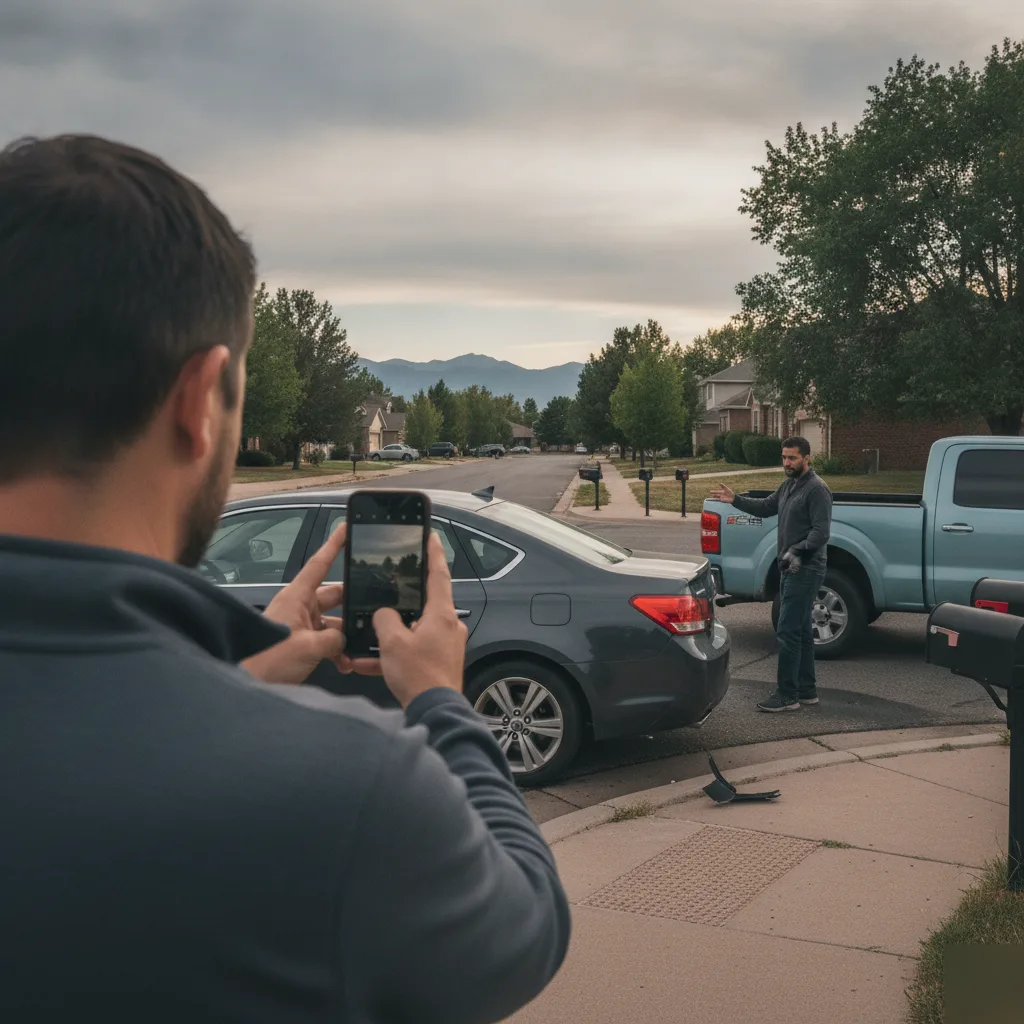
Sounds simple, right? Insurance companies count on you not knowing how this works in Colorado, though.
Think about it. A driver on Arapahoe Road must follow traffic laws. Stay alert. Don’t run red lights. A grocery store near the Landmark has a duty. They need to clean up spills fast. No one should slip. A property owner along Orchard Road is required to fix broken stairs. These aren’t suggestions, you see. They’re legal obligations.
How Colorado Law Defines Duty of Care
Colorado doesn’t treat every situation the same way. The duty someone owes you shifts. It depends on the relationship, the circumstances. We see this play out in real cases every day.
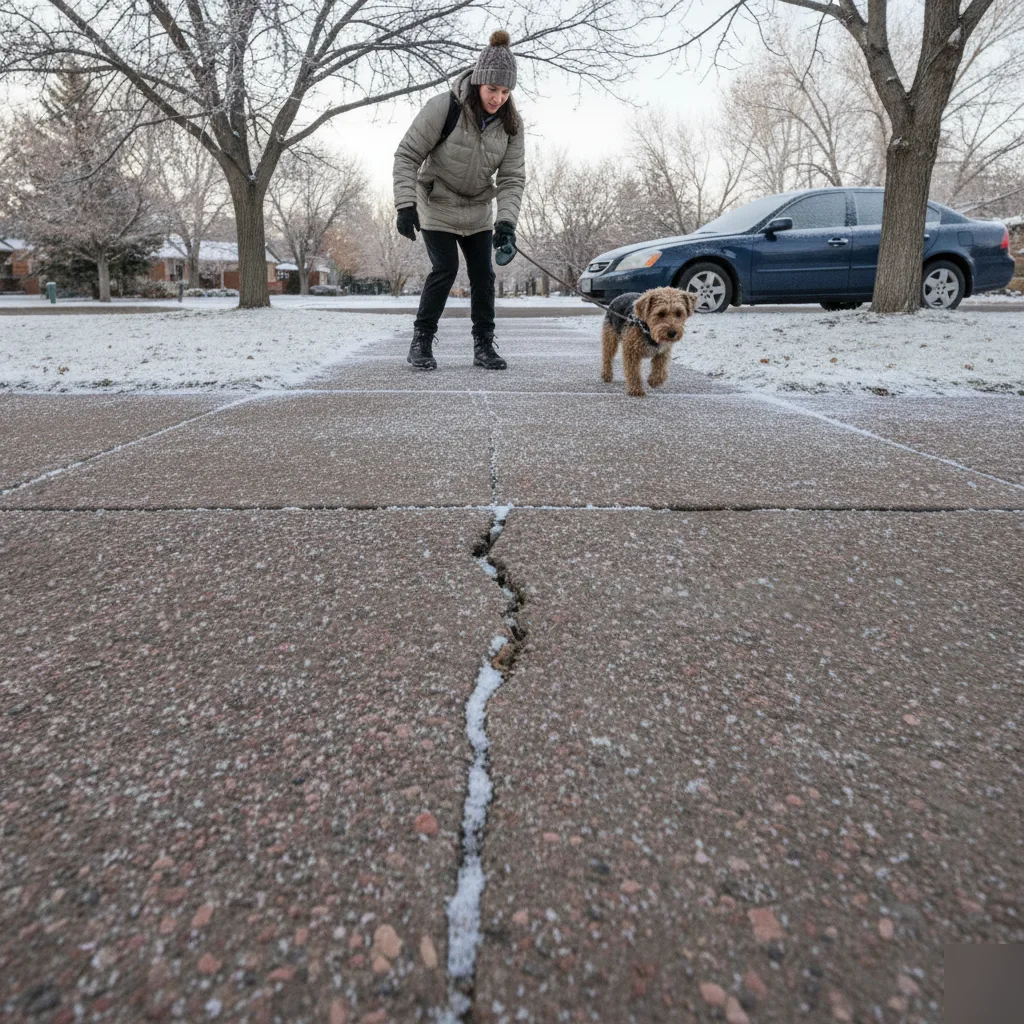
Drivers on the road owe a big general duty. Colorado’s hands-free driving law (SB 24-065) makes this clear. Holding a phone while driving? That breaks the duty. Speeding does too. Running stop signs, driving impaired, all breaches. If a distracted driver hits you at the I-25 and Belleview interchange, proving duty of care is usually simple. that intersection.
Property owners have a duty that changes. It depends on why you’re on their land. Colorado’s premises liability statute (C.R.S. § 13-21-115) lays this out. An invitee, say a customer at a store, gets the most protection. A licensee, a social guest for instance, gets less. A trespasser gets the least. We see this difference matter often. Think about a slip and fall at a Greenwood Village strip mall, where freeze/thaw cycles mean constant ice. This statute is key there.
Product manufacturers must design and sell safe products. Colorado’s product liability statute (C.R.S. § 13-21-401) makes them strictly liable. You don’t prove carelessness, you just prove the product was defective. It’s a different kind of fight.
Why This Element Gets Challenged
Most people assume duty of care is obvious. And for many car accidents, it is. But an insurance adjuster’s job? To create doubt. Anywhere they can.
Here’s a scenario we’ve seen play out dozens of times. A pedestrian gets hit near the Greenwood Village city offices. The driver’s insurance claims the pedestrian was jaywalking. So, they argue, the driver owed no duty there. That argument usually fails, it just confuses you. They want you to take less money. Or give up entirely.
Government entity claims add another layer, a real headache sometimes. Say a dangerous road on a City of Greenwood Village or CDOT street caused your injury. You’re dealing with the Colorado Governmental Immunity Act. Under C.R.S. § 24-10-109, you get just 182 days. That’s for filing a notice of claim. Miss that window? The duty of care won’t matter at all.
Duty of care is the foundation. Without it, your personal injury claim doesn’t stand. But proving it exists is only the first step. The harder questions always come next.
If you’re not sure someone owed you a duty of care after an accident in Greenwood Village, talk to us. A free consultation early can save you from costly mistakes. these cases. You can learn more about how we handle them at Jordan Law Accident & Injury Lawyers.
For a free legal consultation, call (303) 465-8733
Breach of Duty: When Someone Fails That Obligation
Knowing someone owed you a duty of care? That’s just step one. The second part of a personal injury claim asks something tougher: Did that person break the rules? That’s a breach of duty. The other party had a responsibility. They simply didn’t live up to it.

Think about it. Every driver on Arapahoe Road must follow traffic laws. They have to pay attention. But a driver who blows through a red light near the Greenwood Village Town Center? That’s a breach. The obligation was there. They failed.
What Counts as a Breach?
A breach happens when someone acts in a way a reasonable person wouldn’t. Colorado courts use this “reasonable person” standard all the time. It isn’t about perfection. It’s about basic common sense. Would a careful person have done the same thing? If not, you likely have a breach.
We see breach in all kinds of cases. A distracted driver checks their phone merging onto I-25 near the DTC exit, then hits the car in front. A property owner knows about a broken staircase railing for weeks. They never fix it. They never warn anyone. A trucking company skips required brake inspections on a delivery vehicle. That vehicle later crashes on South Yosemite Street. A dog owner lets their animal off-leash in a public area. And they know it’s bitten someone before.
Each scenario shows someone with a clear responsibility. They chose not to meet it. That gap is the breach. It’s that simple.
Why Insurance Companies Fight You on This
Here’s something many people don’t realize until too late. Insurance companies rarely admit their policyholder breached a duty. That’s their whole game. If they can claim the other person acted reasonably, your claim falls apart fast. They don’t pay a dime.
We’ve seen this play out hundreds of times. An adjuster will say, “Our driver had the sun in their eyes.” Or maybe, “The road was wet, anyone could have slid.” They try to make the breach sound normal. Unavoidable, even. And people believe it. They just don’t know better., I hear people tell me all the time, ‘I’ve been dealing with this insurance company for 20 years and they’ve always treated me great.’ And I’ll ask, ‘Have you ever made a claim?’ They’ll say, ‘no.’ Well, okay. The person who took your money treated you great. That’s not a surprise. Just wait until you go to the claims department. That’s where the real fight starts.
Insurance companies count on you not knowing this.
Colorado’s hands-free driving law (SB 24-065) is a good example. It makes breach easier to prove. If the other driver held their phone during your crash? That’s a clear violation of state law. A reasonable person follows the law. Breaking it is a breach. Period. It’s not complicated.
Evidence That Proves a Breach
Breach isn’t just about telling a judge what happened, you need real proof. And the kind of proof? That matters a lot.
Police reports often document violations at the scene. Surveillance footage from nearby businesses can show exactly what happened. Cell phone records might prove texting. Maintenance logs can reveal ignored inspections by a trucking company. Witness statements from people who saw it? They carry real weight too.
But evidence disappears fast. Surveillance footage gets recorded over. Witnesses forget details. Phone records need legal requests. This is a big reason we tell people in Greenwood Village to talk to an attorney quickly after an injury. Stronger breach evidence? That makes your whole personal injury claim stronger.
Breach alone isn’t enough. You still connect that failure to your actual injuries. That’s the next element. Many cases get complicated right here. Want to understand how all four elements work together? Visit our personal injury page. See how our team builds these claims from the ground up.
Causation: Why This Element Trips Up So Many Claims
You got hurt. Someone else was careless. Seems simple. But here’s where insurance companies dig in. Causation means proving their negligence caused your injuries. Not just that you felt pain after the accident. It means the accident directly led to your specific harm. This is often misunderstood.

We’ve seen this play out hundreds of times. In Greenwood Village. Across the Denver metro area. It’s a common tactic.
A driver runs a red light near the Orchard Road interchange. They hit your car. Your neck hurts for weeks. You see a doctor, get an MRI. It shows a herniated disc. Sounds clear, right? Not to the insurance adjuster. They’ll pull your medical records. Five years back. They’ll find that one time you mentioned neck stiffness to your doctor. Then they’ll claim the herniated disc was pre-existing. The crash didn’t cause it, they’ll argue. By the way, this happens constantly.
This is their playbook. And it works. It preys on people who don’t know how to fight back.
Direct Cause vs. Contributing Cause
Colorado law doesn’t demand the accident be the only cause of your injury. It must be a substantial factor. That’s a real difference. Say you had mild arthritis in your knee before a slip and fall at a Cherry Hills Village shopping center. The fall worsened it, dramatically. You now need surgery. You never would have needed it otherwise. That’s still a valid personal injury claim. The fall was a substantial factor. Your knee didn’t need to be perfect before.
But you have to prove it. And “prove it” means medical evidence. Not just your word.
The Gap in Treatment Problem
Here’s something most people don’t grasp until it’s too late. If you wait weeks or months to see a doctor after an accident, you’ve given the insurance company their top argument. They’ll say, “If you were really hurt, you would have gone to the ER.” Or urgent care. Or your regular doctor within days. It’s what they expect.
Gaps in treatment kill causation arguments. We see this constantly. Someone gets hit on I-25 near the DTC. They feel sore. They push through for a month. Finally, they see a doctor when pain becomes unbearable. But by then? The adjuster has a file. It claims your injuries came from something else.
Three things wreck causation in a personal injury claim faster than anything. Waiting too long for medical treatment after the accident. Stopping treatment early, thinking you’re better, then restarting weeks later. And failing to tell your doctor exactly how the injury happened. You must connect it to the accident.
Your medical records form the backbone of causation. Every visit. Every note. Every imaging study. They build the chain. This chain connects the other person’s negligence to your harm. Break it? The insurance company will drive a truck through that gap.
If causation feels complicated, that’s when you need someone who’s handled these fights. Our personal injury team at Jordan Law knows how adjusters attack causation. We’ve beaten those arguments at trial. Over and over again. We’re a true trial firm.
And one more thing. Colorado’s modified comparative negligence rule (C.R.S. § 13-21-111) means the insurance company might shift causation onto you. They’ll say you were partly at fault. Your own actions contributed to your injuries, they’ll claim. If they push your fault to 50% or higher, you recover zero. So causation isn’t only about connecting their client’s negligence to your injuries. It’s about ensuring they can’t flip the script. Don’t let them blame you instead.
Our Greenwood Village, Colorado Office Location

Our main office is located in Greenwood Village, also known as the Denver Tech Center, just south of Downtown Denver.
Jordan Law Accident and Injury Lawyers
5445 DTC Parkway Suite 1000 Greenwood Village CO 80111
Frequently Asked Questions
What are the four elements of a personal injury claim?
The four elements are duty of care, breach of duty, causation, and damages. First, someone had to owe you a responsibility to act safely. Second, they broke that responsibility. Third, their actions caused your injury. Fourth, you suffered real losses, like medical bills or lost wages. Missing even one element can weaken your case. If you want a full walkthrough of how these pieces fit together, our guide on the four elements of a personal injury claim breaks down each step in plain language.
How do I know if someone owed me a duty of care in Greenwood Village?
You’re likely owed a duty of care if you were hurt because someone ignored basic safety rules. Drivers on roads like Arapahoe Road must follow traffic laws. Property owners near the Landmark or along Orchard Road must fix hazards like broken stairs or icy walkways. Businesses must keep their spaces reasonably safe for customers. If you’re unsure whether your situation qualifies, a quick conversation with a local injury attorney can clear that up fast.
What’s the difference between duty of care and breach of duty?
Duty of care is the responsibility someone had to keep you safe. Breach of duty happens when they fail to meet that responsibility. Think of a driver near the Greenwood Village Town Center. Every driver has a duty to stop at red lights. If one runs the light anyway, that’s the breach. You need both pieces proven before you can move on to causation and damages in your claim.
Does jaywalking mean a driver had no duty of care?
No, jaywalking does not erase a driver’s duty of care. Insurance adjusters often use this argument near busy areas like the Greenwood Village city offices to create doubt. Drivers still must watch for pedestrians and avoid collisions whenever possible. Colorado law looks at the full picture, not just one factor. Don’t let an adjuster’s claim about jaywalking convince you to accept less than you deserve.
How does Colorado’s hands-free driving law affect a breach of duty claim?
Colorado’s hands-free driving law (SB 24-065) makes it easier to prove a breach of duty. If a driver was holding a phone during a crash, that’s a clear violation of the law. This helps show they failed to act as a reasonable person would. It strengthens your case by removing some of the guesswork insurance companies rely on when they try to argue the driver acted normally.
What should I do if my injury happened on a Greenwood Village city road?
You need to act fast if a city or CDOT-maintained road caused your injury. Colorado’s Governmental Immunity Act gives you only 182 days to file a notice of claim under C.R.S. § 24-10-109. Miss that deadline, and your case may be dismissed no matter how strong your evidence is. Because this timeline is so strict, it’s smart to talk with a local attorney as soon as possible after your accident.