



The Real Decision: What Filing First Changes
We see people in Greenwood Village make this mistake all the time. Filing a car accident claim on your own isn’t just a neutral first step, it sets the tone for everything that follows. The moment you call that insurance company, you’re creating a record. Every word you say gets noted. The adjuster on the other end? That’s their job, all day, every day.
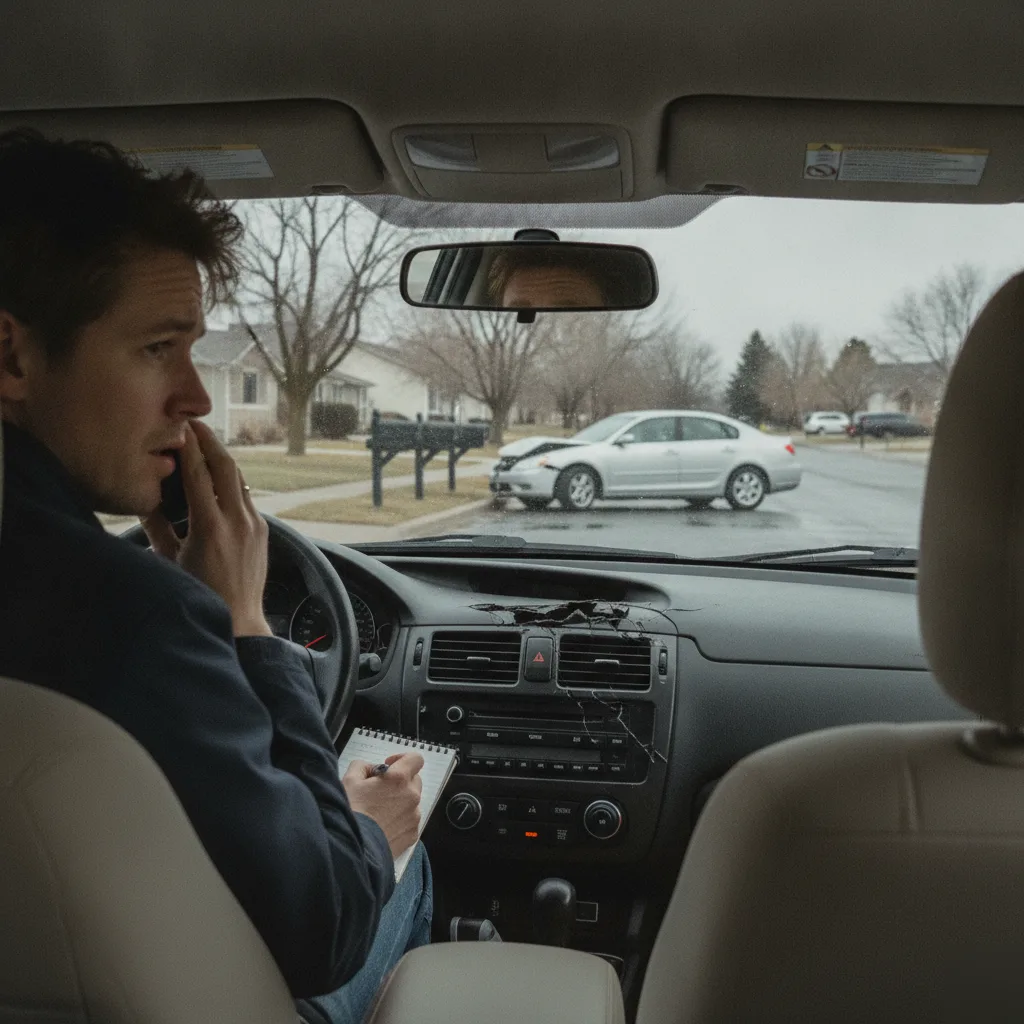
We’ve seen this play out hundreds of times.
Someone gets rear-ended on Arapahoe Road near the DTC. They feel okay enough to call their insurance that night. The adjuster asks friendly questions. “How are you feeling?” sounds like concern. It’s not. It’s a recorded statement designed to lock you into a version of events before you even know the full extent of your injuries, those can take weeks to show up. This is exactly the moment an experienced car accident attorney in Denver would tell you to pause before saying anything on the record.
What Happens When You File First
Filing a car accident claim before talking to a lawyer means you’re negotiating blind. You don’t yet know what your case is worth. You probably haven’t finished medical treatment. And you almost certainly don’t know how Colorado’s modified comparative negligence law under C.R.S. § 13-21-111 could be used against you. That law says if you’re found 50% or more at fault, you get nothing. Insurance companies aggressively argue fault using things like “you didn’t brake in time” or “you were looking at your phone.” They’ll build that argument from your own words if you give them the chance.
So what changes when you file first without a lawyer?
Your recorded statement becomes evidence. You might say “I’m feeling fine” because you’re running on adrenaline. Two weeks later, an MRI shows a herniated disc. But the insurer already has you on record saying you felt fine, and that contradiction will follow your case everywhere.
The adjuster controls the timeline. They’ll push for a fast settlement, often within days. That speed benefits them, not you. Once you sign a release, it’s done. You can’t come back for more money when your medical bills keep climbing, and we see that happen too often.
You lose leverage you didn’t know you had. Insurance companies know which law firms try cases and which ones just settle. When you file on your own, there’s no real trial threat behind your claim. The offer reflects that.
What Changes When You Talk to a Lawyer First
A car accident lawyer handles that first contact with the insurer for you. what to say, and more importantly, what not to say. We send a letter of representation; the insurance company has to go through us from that point on. No more surprise phone calls asking leading questions while you’re on pain medication.
Colorado gives you three years to take legal action after a car accident under C.R.S. § 13-80-101. That’s not a reason to wait around, but it means you have time to get legal advice before making moves that can’t be undone. If a government vehicle was involved, like an RTD bus or a CDOT truck, you only have 182 days to file notice under C.R.S. § 24-10-109. Miss that window and your claim disappears. No exceptions.
“I have people tell me all the time, ‘I’ve been dealing with this insurance company for 20 years and they’ve always treated me great.’ And I say, ‘Have you ever made a claim?’ and they say, ‘no.’ Well, ok, so the person who has been taking your money has been treating you great. Not surprising. Wait till you go to the claims department.”, Jason Jordan, Founding Partner
The real decision isn’t whether you file with the insurance company. It’s whether you want to walk into that process informed or exposed. If you’re in Greenwood Village and you’re not sure what to do next, talk to a car accident lawyer before you talk to an adjuster. That one call changes the entire dynamic.
For a free legal consultation, call (303) 465-8733
What to Do in the First 24 Hours After a Crash
The first day after a car accident matters more than most people think. What you do (and don’t do) in those hours shapes your entire claim. We’ve seen cases where someone did everything right at the scene but made one mistake that afternoon, and it cost them tens of thousands of dollars.
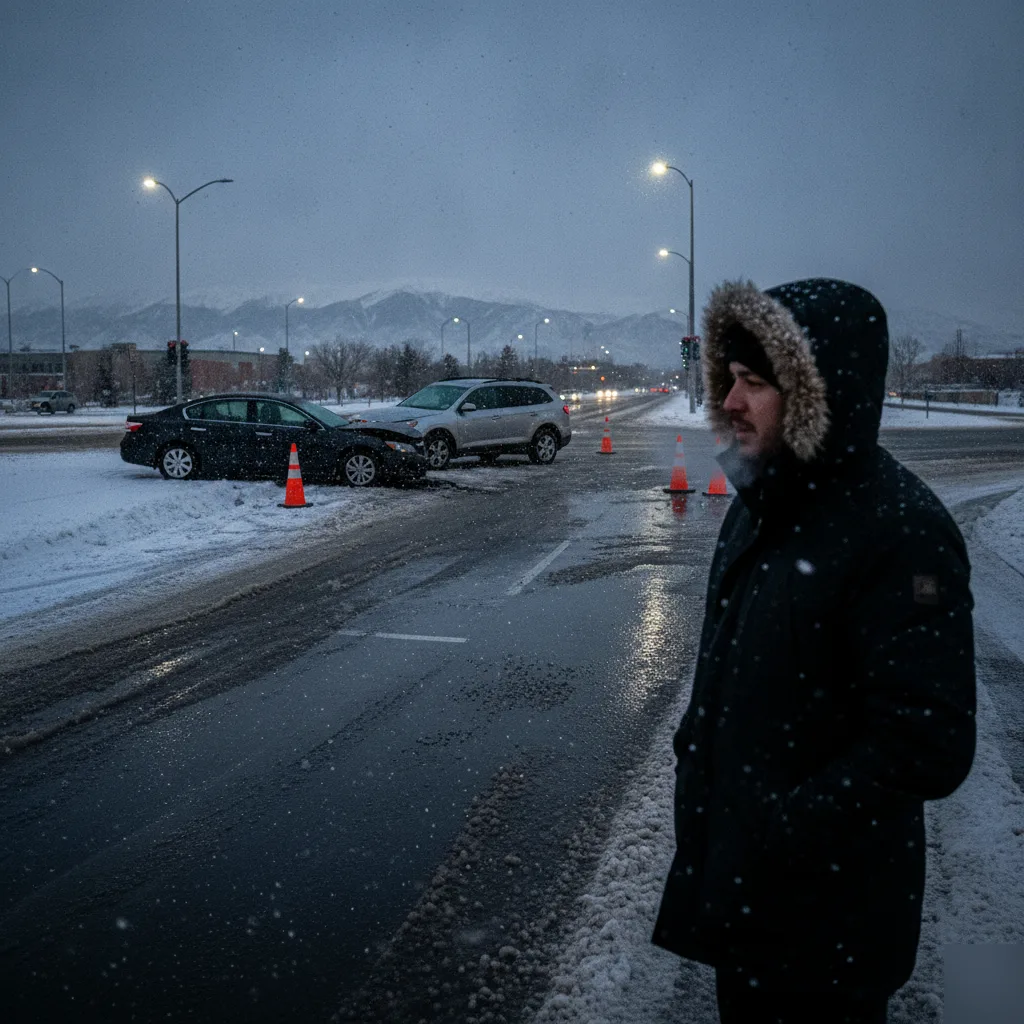
Here’s the thing. Insurance companies start building their case against you immediately. Their adjusters are trained to move fast. You need to move faster.
At the Scene
Call 911. Even if the crash seems minor, you want a police report on file. In Greenwood Village, officers from the Greenwood Village Police Department will respond and document the scene. That report becomes a key piece of evidence later. Without it, the other driver’s insurer can dispute what happened.
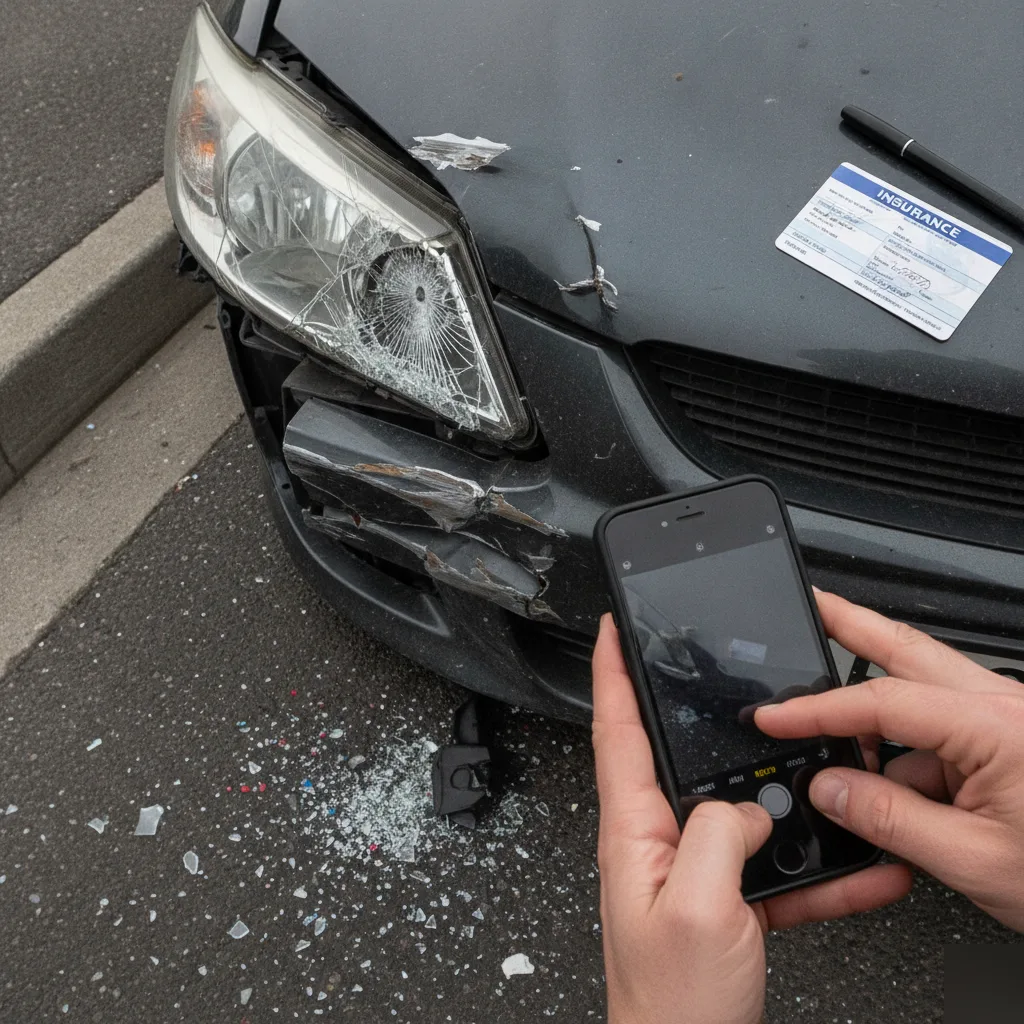
Take photos of everything. The damage to both cars, the road conditions, traffic signs, skid marks, and any visible injuries. Use your phone’s timestamp feature. We’ve seen cases turn on a single photo that proved a traffic light was obscured by tree branches near the Orchard Road corridor.
Exchange information with the other driver but keep the conversation short. Don’t apologize. Don’t say “I’m fine.” Colorado’s modified comparative negligence rule under C.R.S. § 13-21-111 means the insurance company will use anything you say to argue you were partly at fault. If they push your fault to 50% or more, your recovery drops to zero.
Within a Few Hours
Get medical attention. Not tomorrow. Not next week. Today. Go to an urgent care or emergency room even if you feel okay. Adrenaline masks pain, soft tissue injuries don’t always show up right away. A gap between the crash and your first medical visit gives the adjuster an opening to argue your injuries came from something else.
This is the step people skip most often. And it’s the one that hurts them the most.
Call your own insurance company to report the accident. Stick to basic facts: date, time, location, other driver’s info. Don’t give a recorded statement to the other driver’s insurer. Not yet. They’ll ask you to, sometimes within hours of the crash, but that call isn’t to help you. It’s to find reasons to pay you less.
Before You Go to Sleep That Night
Write down everything you remember. The color of the light, how fast you were going, what the other driver said at the scene, where your body hurts,. Memory fades fast. A written account from day one carries real weight if your case goes to litigation months later.
Save all paperwork. The police report number, your medical discharge papers, tow receipts, rideshare costs to get home. These small records add up to real economic damages, and there’s no cap on economic damages in Colorado under HB 24-1472.
“I have people tell me all the time, ‘I’ve been dealing with this insurance company for 20 years and they’ve always treated me great.’ And I say, ‘Have you ever made a claim?’ and they say, ‘no.’ Well, ok, so the person who has been taking your money has been treating you great. Not surprising. Wait till you go to the claims department.”, Jason Jordan, Founding Partner
If you’re wondering whether to handle your claim alone or talk to a car accident lawyer first, the answer depends on what happens in these 24 hours. Get the basics right, and you’ll have options. Skip them, and you’re already playing catch-up. If you want help figuring out your next move, our car accident lawyer page walks through exactly how the process works from here.
Filing Your Insurance Claim: What Helps and What Hurts
Here’s where most people trip up. They open a claim thinking the insurance company wants to help them. The insurance company wants to close your file for as little money as possible. That’s the job of every adjuster who picks up your call. Insurance companies count on you not knowing this.

So what helps your claim? And what quietly kills it before you even realize there’s a problem?
What Helps Your Car Accident Claim
Report the crash right away. In Colorado, you’re required to report any accident involving injury, death, or property damage over $1,000 to law enforcement. Get that police report number. It becomes the backbone of your claim. We’ve seen cases where people waited a few days to report, and the other driver changed their story completely.
Document everything at the scene. Photos of vehicle damage, skid marks, traffic signals, and the intersection itself. If you’re hit near Orchard Road and I-25 or along Arapahoe Road in Greenwood Village, those intersections have specific sight-line issues worth capturing on camera. Timestamps on your phone photos matter more than you’d think, and correctly noting each vehicle’s details, including the federal vehicle identification number standard, helps keep your report accurate and complete.
Get medical treatment fast. Not next week. Not when the pain gets worse. Go now. A gap between your crash and your first doctor visit is the single biggest weapon an insurance adjuster will use against you. They’ll argue your injuries came from something else, that the crash wasn’t that bad. We see this play out hundreds of times.
Keep a simple log. Write down how you feel each day. Headaches, missed work, trouble sleeping. Jot it in your phone notes. This kind of record turns into real evidence later.
What Hurts Your Car Accident Claim
Giving a recorded statement to the other driver’s insurance company is the most common mistake. They’ll call you within days, sometimes hours. They sound friendly. They ask how you’re doing. But that recording exists for one reason: to find something they can use to reduce your payout.
Posting on social media hurts too. A photo of you smiling at a family dinner can be twisted into evidence that you’re “not really injured.” It sounds ridiculous, but it happens all the time.
Accepting the first settlement offer is another trap. That initial number almost never reflects what your claim is worth. Under Colorado’s modified comparative negligence rule (C.R.S. § 13-21-111), the insurer may try to pin partial fault on you. They’ll say you were speeding, that you didn’t brake soon enough, that you weren’t paying attention. If they push your fault to 50% or higher, you recover nothing. Zero.
And here’s one people don’t think about: signing a medical records release that’s too broad. The insurance company will request access to your entire medical history. They’re looking for pre-existing conditions they can blame your pain on. You don’t have to hand over everything they ask for.
The bottom line is simple. Every step you take in the first few days after a crash either builds your case or chips away at it. There’s no neutral ground. If you’re unsure whether you’re helping or hurting your own claim, that’s a good sign you should talk to a car accident lawyer before the insurance company locks you into a bad position.
“I have people tell me all the time, ‘I’ve been dealing with this insurance company for 20 years and they’ve always treated me great.’ And I say, ‘Have you ever made a claim?’ and they say, ‘no.’ Well, ok, so the person who has been taking your money has been treating you great. Not surprising. Wait till you go to the claims department.”, Jason Jordan, Founding Partner
Our Greenwood Village, Colorado Office Location

Our main office is located in Greenwood Village, also known as the Denver Tech Center, just south of Downtown Denver.
Jordan Law Accident and Injury Lawyers
5445 DTC Parkway Suite 1000 Greenwood Village CO 80111
Frequently Asked Questions
When should you call a lawyer instead of filing the claim yourself?
Call a lawyer as soon as you’re hurt or unsure who caused the crash. A lawyer can talk to the insurance company for you, so you don’t accidentally say something that hurts your case later. If you want guidance before that first call, an experienced car accident lawyer in Greenwood Village can review your situation and explain your options. Waiting until after you’ve given a recorded statement often makes it much harder to fix early mistakes.
What’s the biggest misconception about insurance adjusters after a car accident?
The biggest misconception is that your adjuster is on your side. Adjusters work for the insurance company, and their job is to save the company money. They ask friendly questions, but every answer you give gets used later. Many people in Greenwood Village assume years of paying premiums means fair treatment during a claim. That’s not how it works. Adjusters treat every claim as a cost to control, not a relationship to protect.
How does a Greenwood Village Police Department report affect your car accident claim?
A police report from the Greenwood Village Police Department gives your claim a neutral record of what happened. Officers document vehicle positions, damage, and statements right at the scene. Without this report, the other driver’s insurer can dispute your version of events. Always call 911, even for minor crashes near busy areas like Arapahoe Road or the DTC. That report becomes one of the strongest pieces of evidence your lawyer can use later.
What is Colorado’s modified comparative negligence law?
Colorado’s modified comparative negligence law decides how much money you can recover based on fault. Under C.R.S. § 13-21-111, if you’re found 50% or more at fault, you get nothing. Insurance companies use this law to argue you caused part of the crash, even over small things like reaction time. This is why what you say right after a crash matters so much. A lawyer can help keep your words from being twisted into a fault argument.
How long do you have to file a car accident claim in Colorado?
You generally have three years from the crash date to file a legal claim in Colorado, under C.R.S. § 13-80-101. That sounds like plenty of time, but waiting too long can hurt your case. Evidence disappears, memories fade, and witnesses move on. If a government vehicle, like an RTD bus or a CDOT truck, was involved, you only have 182 days to file notice. Missing that shorter deadline can end your claim before it starts.
What’s the difference between reporting to your own insurance and giving a recorded statement to the other driver’s insurer?
Reporting to your own insurance means giving basic facts, like date, time, and location. A recorded statement to the other driver’s insurer is different. It’s a formal interview used to find reasons to reduce your claim. You must report to your own insurer, but you don’t have to give a recorded statement to the other side right away. Talking to a lawyer first helps you understand which calls protect you and which ones create risk.