





Choosing Your Denver Nursing Home Abuse Lawyer
If you’ve been abused or have a loved one who was the victim of elder abuse, it’s important to have an elder abuse & nursing home abuse attorney who is compassionate, aggressive and understands the eldercare system.
Physical and financial elder abuse is all too common. Abuse may be perpetrated by a family member, a facility such as a nursing home, or an agency providing services in a private home or facility. According to the Nursing Home Abuse Guide, it is estimated that over 3.2 million adults live in nursing homes and as many as 40% of adults will be in a nursing home at some point in their lifetime.
Attorney and founder Jason Jordan and his team have experience with nursing home abuse cases. Watch the video above to hear Jason interviewed on Colorado NBC affiliate 9News about a family he is currently representing in one such case.
Jason is a nationally recognized trial lawyer with 20 years of experience. He is a former president of the Colorado Trial Lawyers Association and member of the American Board of Trial Advocates.
For a free legal consultation with a Personal Injury lawyer serving Denver, call (303) 465-8733
Why Choose Our Denver Nursing Home Abuse Lawyer?
- At Jordan Law we always put our clients first. They are our top focus because we care about our clients and want to ensure their families can obtain the justice they deserve.
- We not a “mill” law firm that signs as many cases as they can and doesn’t provide individual attention.
- We have extensive trial experience which means the insurance companies know who we are and they know we’re not just going to settle for any amount of money.
- Our Denver elder abuse attorneys have recovered over $550 million for our deserving clients, including numerous multi-million dollar recoveries.
- Our firm is available to clients 24/7 throughout the duration of their case
- Call our Denver nursing home and elder abuse lawyer today for a free consultation at (303) 465-8733.
What Is Considered Nursing Home or Elder Abuse?
- A failure to provide for basic needs such as food, personal care, or protection from falls.
- Physical abuse. This can be physical punishment, retaliation, over or under medicating, and physical harm from other patients.
- Psychological or emotional abuse. Humiliation, yelling, criticizing, manipulation or threatening.
- Cashing checks without permission, forging signatures, re-writing wills or powers of attorney.
It is mandatory in the state of Colorado to report elder abuse. Some types of abuse can be hard to detect and if the victim is cognitively impaired, there are additional challenges. The proper legal team will investigate to determine who is responsible for perpetrating the abuse, in addition to who is responsible for allowing it to happen.
Elderly victims are frequently too embarrassed or afraid to report abuse. Or, they may have a cognitive impairment which keeps them from being able to report it.
Denver Nursing Home Abuse Lawyer Near Me (303) 465-8733
What Are the Leading Causes of Nursing Home Abuse?
Many different factors can contribute to nursing home abuse, often related to understaffing and insufficient operation. Some of the most common causes of nursing home neglect include the following.
- Understaffing: A lack of adequate staff members can lead to less nursing home residents receiving the care they need. The remaining staff cannot provide a high level of care that all residents need.
- Staff burnout: Many nursing home staff members have to work long hours and are unable to process their stress in a healthy way. This may lead to mental and physical abuse of residents.
- Lack of supervision: If a supervisor is not available to oversee the operation of the nursing home, many residents can go without care for several days.
- Greed: Financial elder abuse is common among victims of nursing home neglect. Staff members may try to scam a resident out of his or her life savings or steal his or her belongings.
While these factors may contribute to this neglect, they do not excuse horrendous acts of abuse. If you or your loved one falls victim to an abusive nursing home, contact the attorneys at Jordan Law as soon as possible.
What Are The Common Types of Nursing Home Abuse?
We can break down nursing home abuse into multiple types. Residents may suffer from multiple types of abuse at the hands of a staff member, and knowing the categories of abuse can help you determine if it is happening.
- Physical abuse: This type of abuse may include pushing, shoving, hitting, or committing any other act of physical violence towards a nursing home resident. This abuse may lead to severe injury and significant emotional trauma.
- Emotional abuse: A staff member may harm the self-esteem or mental well-being of an elder, taking abusive actions such as isolating him or her from friends and family, yelling and calling the resident names, and causing extreme stress and anxiety to the resident.
- Financial abuse: A staff member may attempt to steal money or possessions from a resident, as well as convince the elder to transfer cash and assets to him or her. This can lead to financial ruin and the loss of life savings.
- Sexual abuse: Residents may suffer sexual abuse at the hands of a staff member. This type of abuse can lead to significant emotional trauma and physical health consequences, including the development of sexually transmitted diseases.
What Should You Do After Noticing Nursing Home Neglect?
If you believe your loved one is the victim of nursing home abuse, it is important to take steps as soon as possible to get your loved one to safety. Abuse can have lifelong and sometimes life-threatening consequences, and taking the following actions can help you protect your loved one.
- Call 911 as soon as possible if your loved one is in immediate danger. Move your loved one away from the nursing home facility if necessary, so that his or her abuser cannot access him or her.
- Speak to your loved one about his or her experiences and what he or she would like to do next. Your loved one may not feel comfortable discussing the abuse, so remember to trust your instincts if you believe something is not okay.
- Bring your loved one to a doctor or hospital to receive medical attention, if necessary. Save all pieces of documentation from your visits for use in your future claim.
- Contact a Denver nursing home abuse attorney with experience assisting victims of nursing home abuse as soon as possible. Your lawyer will walk you through your legal options and help you determine which option is best for you.
Depending on the injury or type of abuse your loved one endured, there will be a statute of limitations, so you should not wait and risk not being able to take legal action. Abuse can be more than simply physical and does not have to result in cuts and bruises. Abuse can be emotional, psychological, sexual, and even involve neglect. The elderly are especially vulnerable to financial exploitation, ranging from theft to bank fraud.
Jordan Law has a track record of recovering damages for victims of elder abuse. Nursing homes and other elder care facilities and agencies can be secretive to try to deflect liability. Other patients may be too frightened or unable to come forward. Jordan Law knows how to effectively navigate those roadblocks and uncover the truth. Jordan Law will aggressively pursue those responsible for failing to keep your loved one safe.
Click to contact our personal injury lawyers today
Why You Should Talk To Jordan Law’s Denver Nursing Home Attorneys
We’re a team of compassionate and comparing attorneys and many of us have parents in nursing home facilities as well. We know what it’s like to be concerned for a loved one who may not be getting the care they deserve. You can call our office any time and speak to our team for free.
We always work on a contingency fee basis meaning you never owe us anything out of your pocket. You only pay our attorneys fees when we win your case.
Our Denver Tech Center / Greenwood Village, CO Office Location
We’re conveniently located in Greenwood Village / Denver Tech Center, just off 25. Our address is 5445 DTC Pkwy, Suite 1000 Greenwood Village CO, 80111. Call us 24/7 to schedule an in-person appointment.

Complete a Free Case Evaluation form now
Afraid to Call a Lawyer? Why Your Free Consultation Matters More Than You Think
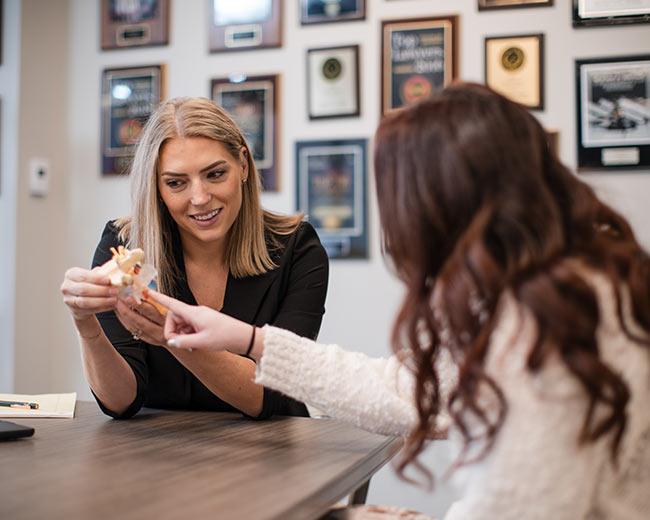
Many people who need a personal injury lawyer wait too long to call one — not because they don’t need help, but because they’re intimidated, overwhelmed, or afraid of doing something “wrong.” At Jordan Law, attorney Sarah Freedman sees this every day. She wants you to know that calling an attorney can be the most impactful step you can take.
Frequently Asked Nursing Home Abuse Questions
What Are The Signs of Elder Abuse?
Common signs of elder abuse include frequent falls, unexplained bruises or injuries, dental issues, pressure sores, weight loss, dehydration, poor hygiene, sleep disturbances, and recurring infections. Individuals with dementia may show behavioral changes, isolation, or refusal of care. Elder abuse is serious and can be life-threatening—according to the National Center on Elder Abuse, even mild abuse significantly increases the risk of death. Victims or their families can file complaints and pursue compensation for medical costs, pain, and financial losses, while holding responsible parties accountable under state and federal laws.
How Do You File a Complaint Against a Nursing Facility?
If you suspect nursing home abuse, you can file a complaint with the Colorado Department of Public Health & Environment—online, by phone, mail, or fax—and they will investigate and share the outcome. You may also pursue a lawsuit in Colorado civil court, which can help your loved one recover compensation for physical, emotional, and financial harm caused by the abuse.
How Do I Find A Nursing Home Abuse Lawyer?
n short, the best way to find a personal injury lawyer is to start with a list of attorneys in your area. You can create a list by going to Google, Avvo.com or calling your local bar organization. From there, research the attorneys. Use their website, look at their Google reviews, etc. Narrow down your list to the top three attorneys. Schedule free consultations with each and interview them. For more details read How To Find A Personal Injury Lawyer