



Denver's Pedestrian Safety Crisis — By the Numbers
Walking in Denver should not be life-threatening. But the data tells a different story. Colorado’s pedestrian fatality rate has climbed relentlessly over the past decade, and Denver’s busiest corridors remain among the most dangerous places in the state for people on foot.
88%
Denver County alone recorded 25 pedestrian fatalities in 2025, a roughly 50% increase from 16 the year before. Statewide, the counties with the highest pedestrian death tolls in 2024 were Adams County (22), Denver (18), and El Paso County (16) — together accounting for nearly half of all pedestrian fatalities. And 65% of those deaths occurred during dark or low-light conditions, even in areas with street lighting.
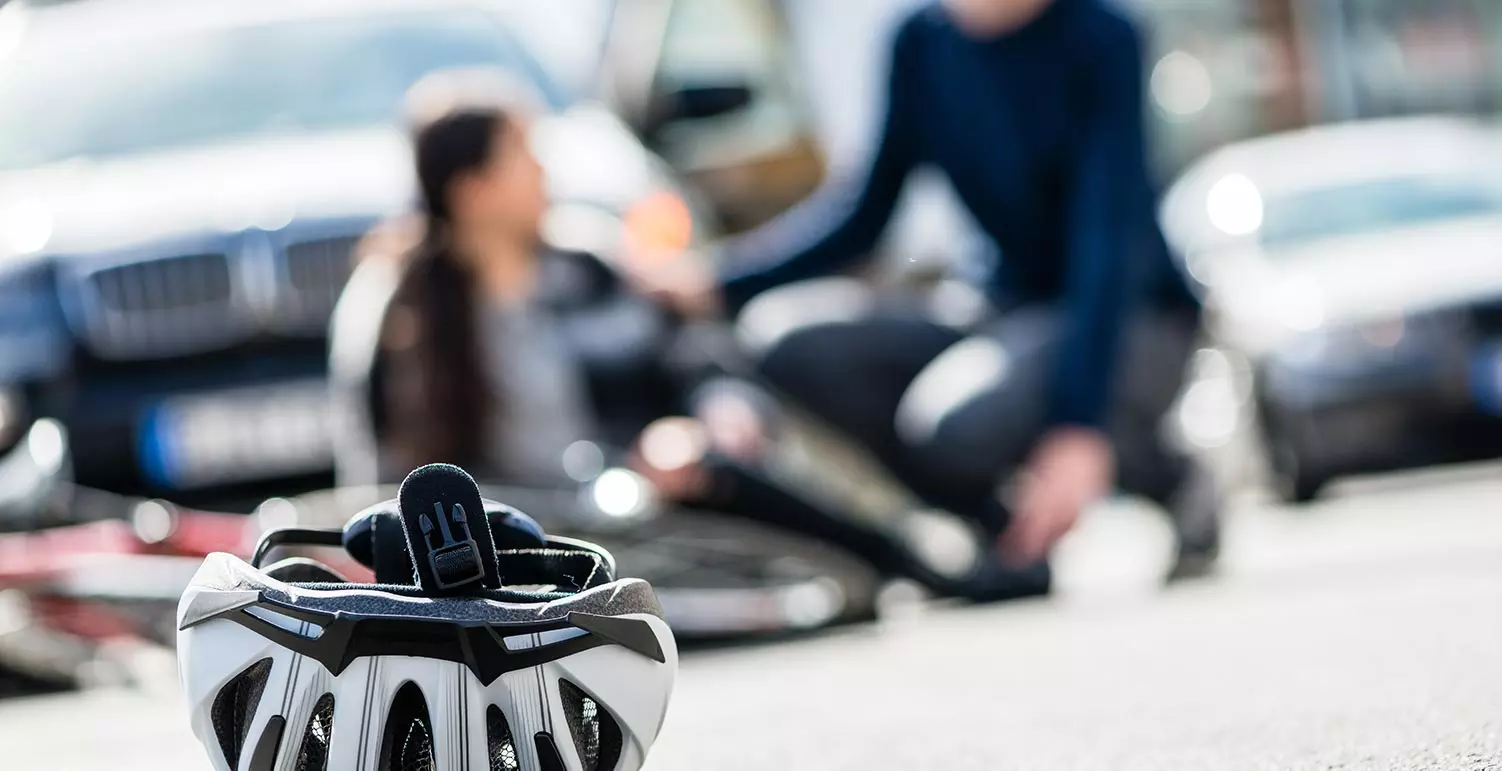
These are not random events. They cluster on the same corridors, at the same types of intersections, with the same contributing factors — distracted driving, excessive speed, failure to yield, and road designs that treat pedestrians as an afterthought. If you’ve been struck by a vehicle on a Denver street, you’re not alone, and you’re not powerless.
“You’re dealing with an insurance company or car insurance company whose entire goal is to avoid paying claims out. It’s an uphill battle facing a huge company that is going to try to undervalue that person’s claim from the beginning.”
Jason Jordan, Esq. – Founding Partner, Jordan Law
For a free legal consultation with a Personal Injury lawyer serving Denver, call (303) 465-8733
Denver’s Most Dangerous Corridors for Pedestrians
Pedestrian crashes in Denver are not randomly distributed. They concentrate on specific corridors where road design, vehicle speed, and traffic volume create predictable danger zones. Denver’s Vision Zero program and High Injury Network have identified these patterns — yet the corridors remain deadly year after year.
Colfax Avenue
Denver’s longest, busiest arterial consistently ranks among the most dangerous for pedestrians. Heavy traffic, transit stops, nightlife foot traffic, and limited crossing opportunities combine to create recurring crash patterns along the entire corridor.
Federal Boulevard
Wide lanes, high speeds, and long blocks encourage driver acceleration between lights. Pedestrians face extended crossing distances with limited signal time, particularly in the segments between Alameda and 52nd Avenue.
Broadway
A major north-south corridor through central Denver with significant pedestrian activity near bars, restaurants, and transit. Multiple turning lanes create conflict points where drivers focus on traffic gaps rather than scanning for pedestrians.
Speer Boulevard
The combination of high vehicle speeds, complex intersections, and proximity to downtown creates persistent pedestrian hazards. Dangerous left turns and visibility issues during peak traffic are primary crash factors.
West Alameda Ave & South Federal Blvd
This intersection recorded among the highest number of fatal crashes in Denver in 2024. High traffic volume, multiple turning lanes, and poor pedestrian infrastructure make it one of the deadliest intersections in the city for all road users.
Nearly 40% of Denver pedestrian crashes occur away from intersections — mid-block crossings, parking lots, and alleys where there are no signals and drivers don’t expect pedestrian activity. These “hidden risk zones” are often overlooked in enforcement campaigns but represent a significant share of serious injuries.
590
Why Pedestrian Accidents Keep Happening in Denver
Understanding the root causes of pedestrian crashes matters — both for prevention and for building a strong legal case. When we can show that the driver’s behavior matches a documented pattern of dangerous conduct, it strengthens the argument for maximum compensation.
Distracted Driving
A driver looking at a phone for just five seconds at 30 mph travels the entire length of a crosswalk before reacting. Colorado’s hands-free law (SB 24-065), which took effect in January 2025, prohibits holding or manually using a phone while driving. A violation of this law is evidence of negligence per se — meaning the driver is presumed negligent simply by breaking the law. Early data from CDOT suggests the law contributed to a 17.5% decrease in pedestrian and cyclist fatalities in the first four months of 2025 compared to the same period in 2024.
Speeding on Arterial Roads
The relationship between vehicle speed and pedestrian survival is not linear — it’s exponential. A pedestrian struck at 20 mph has a roughly 90% survival rate. At 40 mph, that drops to approximately 50%. At 50 mph, survival is unlikely. Denver’s wide arterial corridors — designed for vehicle throughput, not pedestrian safety — routinely see speeds well above posted limits, particularly during off-peak hours when enforcement is thin and lighting is poor.
Failure to Yield
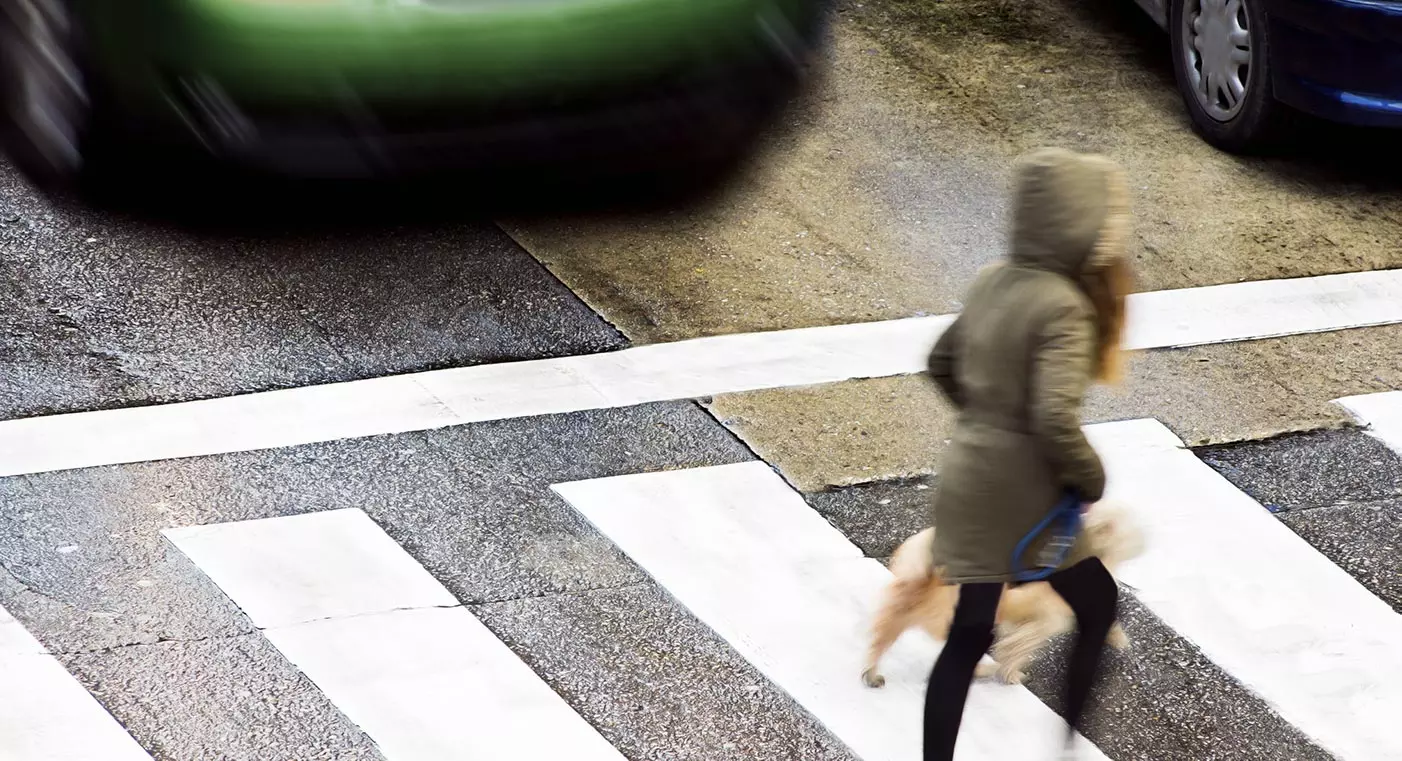
Failure to yield to pedestrians in crosswalks and at intersections is the single most cited driver behavior in Denver pedestrian crashes. Careless driving and failure to yield together account for over 40% of all pedestrian collisions in the city. Turning drivers are particularly dangerous because they focus on finding gaps in traffic rather than scanning for people on foot.
Vehicle Size
The shift toward larger vehicles — SUVs and pickup trucks — has made pedestrian crashes more deadly. These vehicles have higher front profiles that strike pedestrians in the torso and head rather than the legs, dramatically increasing the severity of injuries and fatality risk. Nationally, SUVs and pickups are overrepresented in fatal pedestrian crashes.
Poor Lighting and Visibility
Sixty-five percent of Colorado’s pedestrian fatalities in 2024 occurred in dark or low-light conditions. The end of daylight saving time in the fall is historically the most dangerous period for pedestrians, as evening commutes suddenly shift into darkness while pedestrian activity remains high. Even in “lighted” areas, street lighting is often inadequate for drivers to detect pedestrians at speed.
“One of the things that’s most important to me is to meet with people to look at their insurance policies to say, hey — this protects this person, this protects you, this kicks in here. And we can go through line by line to make sure you understand what you’re paying for. When you don’t understand what you’re paying for and you’re not paying for the right types of coverages, you end up losing all around.”
Sarah Freedman, Esq. – Director of Pre-litigation, Jordan Law
Denver Pedestrian Accident Lawyer Near Me (303) 465-8733
Pedestrian Accident Injuries Are Almost Always Severe
There’s no crumple zone, no airbag, no seatbelt when a car hits a pedestrian. The human body absorbs the full force of the impact, which is why pedestrian injuries are disproportionately catastrophic compared to occupant injuries in car-on-car crashes.
Common pedestrian accident injuries include traumatic brain injuries (from the initial impact or from striking the ground), spinal cord injuries and paralysis, multiple fractures (pelvis, femur, tibia, and ribs are the most common), internal organ damage and internal bleeding, severe road rash and degloving injuries, permanent disfigurement and scarring, and psychological trauma including PTSD, anxiety, and fear of walking.
Because pedestrian injuries tend to be more severe, medical costs are higher, recovery periods are longer, and the long-term impact on the victim’s ability to work and live independently is often significant. Insurance companies know this — and they will try to settle quickly, before the full scope of your injuries becomes clear.
Insurance adjusters often contact pedestrian accident victims within days of the crash with a quick settlement offer. This offer is almost always a fraction of what your case is worth. Once you accept, you cannot go back for more — even if your injuries turn out to be far worse than initially diagnosed. Talk to an attorney before signing anything.
“A treatment gap is exactly what it sounds like. It’s when you stop going to medical care or you never start, and it creates this time period where there’s no evidence of your injury. An insurance company is gonna use that against you later on to say maybe you weren’t really that injured.”
Sarah Freedman, Esq. – Director of Pre-litigation, Jordan Law
Proven Results for Accident Victims
Jordan Law has a track record of recovering significant compensation for clients who suffered catastrophic injuries from negligent drivers — including pedestrian-involved cases.
$131M Verdict
Victim of a car accident involving a driver who was over-served alcohol at a restaurant/bar.
$38.6M Settlement
Young man who suffered a traumatic brain injury from a fall — demonstrating our ability to handle catastrophic injury cases.
$1.8M Settlement
Pedestrian struck by a 16th Street Mall bus in Denver.
Every pedestrian accident case is different, and past results don’t guarantee future outcomes. But our willingness to prepare every case for trial — and to actually go to trial when necessary — changes the negotiation dynamic. Insurance companies treat firms with a trial track record differently than firms that always settle.
Click to contact our personal injury lawyers today
What to Do After Being Hit by a Car as a Pedestrian
Get Medical Attention Immediately
This is non-negotiable. Even if you can walk, get evaluated. Adrenaline masks pain from concussions, internal bleeding, spinal injuries, and fractures that may not present symptoms for hours or days. Your medical records from day one are the foundation of your case.
Call 911 and Get a Police Report
A police report documents the scene, identifies the driver, records witness statements, and may include the officer’s assessment of fault. If the driver fled, the report initiates the investigation. Ask the responding officer for the report number so you can retrieve it later.
Document Everything You Can
If you’re physically able, photograph the vehicle that hit you (including the license plate), the intersection or location, traffic signals and signage, any skid marks, and your visible injuries. Get contact information from witnesses. If there are nearby businesses, note them — they may have surveillance cameras that captured the crash.
Do Not Give Recorded Statements
The driver’s insurance company will contact you quickly. They will be polite and sound sympathetic. They will ask for a recorded statement. Do not give one. Anything you say can and will be used to minimize your claim or shift blame to you. Direct all communications to your attorney.
Contact a Pedestrian Accident Lawyer
Pedestrian accident cases involve complex liability questions, multiple potential insurance sources, and injuries that evolve over time. Having an attorney involved from day one ensures evidence is preserved, insurance communications are handled properly, and you don’t make decisions that undermine your case before you understand its full value.
“You retain an attorney and that just takes all of that away. And we tell you what all those things mean — like collateral source and subrogation and common fund doctrine and ERISA plans as opposed to state funded plans and why that matters to you at the end of the day. We explain those things to you and then you go back to work and you live your life and you see your medical doctors. That’s what we’re here for.”
Jason Jordan, Esq. – Founding Partner, Jordan Law
Colorado Pedestrian Accident Law
Comparative Negligence
Colorado follows a modified comparative negligence rule. You can recover compensation as long as you are less than 50% at fault for the accident. Your award is reduced by your percentage of fault. For example, if you crossed mid-block and a jury determines you were 20% at fault, you would still recover 80% of your total damages. Insurance companies routinely try to inflate the pedestrian’s share of fault to reduce payouts — an experienced attorney knows how to counter these arguments with evidence.
Right-of-Way Rules
Colorado law requires drivers to yield to pedestrians in marked crosswalks and at intersections, even where there is no marked crosswalk. However, pedestrians are required to obey traffic signals and use crosswalks when they are available within 300 feet. Jaywalking or crossing against a signal doesn’t automatically bar your claim — it’s a factor in comparative negligence, not an absolute defense for the driver.
Hit-and-Run Cases
If the driver who struck you fled the scene, your own uninsured motorist (UM) coverage is your primary path to compensation. Colorado law requires all auto insurance policies to include UM coverage unless you specifically rejected it in writing. Even pedestrians who don’t own a car may be covered under a household member’s policy. If the driver is later identified, additional claims become available.
Statute of Limitations
You have three years from the date of the accident to file a personal injury claim in Colorado. For wrongful death claims, the deadline is two years. If a government vehicle or government-maintained road defect contributed to the crash, the Colorado Governmental Immunity Act (CGIA) imposes a 182-day notice deadline — the same strict timeline that applies in bus accident cases.
If you were struck by a government vehicle (including city or county vehicles, snowplows, or transit vehicles) or your accident was caused by a defective road, sidewalk, or signal maintained by a government entity, the CGIA requires written notice within 182 days. Miss this deadline and your claim is permanently barred.
Complete a Free Case Evaluation form now
Compensation for Denver Pedestrian Accident Victims
Colorado is an at-fault state, which means the driver who caused your accident is responsible for your damages. Pedestrian accident victims may recover compensation for:
Medical expenses — emergency care, hospitalization, surgery, rehabilitation, physical therapy, assistive devices, and all future medical treatment related to your injuries. Pedestrian injuries often require extensive, long-term care.
Lost wages and earning capacity — income lost during recovery and, for catastrophic injuries, diminished ability to earn in the future. Many pedestrian accident victims face months or years of reduced work capacity.
Pain and suffering — physical pain, emotional distress, anxiety, depression, PTSD, and the fear of walking that many pedestrian accident victims experience after the crash.
Disfigurement and scarring — pedestrian accidents frequently cause visible, permanent scarring from road rash, surgical scars, and orthopedic hardware. Colorado law recognizes this as a separate category of compensable harm.
Loss of enjoyment of life — compensation for activities, relationships, independence, and daily pleasures affected by your injuries.
Wrongful death damages — if a pedestrian crash killed your loved one, surviving family members can pursue compensation for funeral expenses, lost financial support, loss of companionship, and grief. Colorado’s wrongful death law was updated in 2025 (HB 24-1472) with a new noneconomic damages cap of $2.125 million — with no cap at all when the death was caused by a felonious act.
“What I like to tell clients is the best thing they can do for their case: give us as much information as you can. Tell us how you’re feeling. Tell us how medical visits are going. Tell us what life is like at home because of your injuries. We really want you to share that information with us because it helps us understand your story — so we can tell the jury one day what you’ve been through.”
Michael Harris, Esq. – Litigation Attorney, Jordan Law
Why Jordan Law for Your Pedestrian Accident Case
We’ve won pedestrian cases. We recovered a $1.8 million settlement for a pedestrian struck by a 16th Street Mall bus. We’ve secured over $550 million for accident victims across Colorado, including cases involving the same catastrophic injuries — traumatic brain injuries, spinal cord damage, multiple fractures — that pedestrian accidents cause.
True trial lawyers. Insurance companies negotiate differently when they know the firm on the other side has a $131 million verdict on its record and will actually walk into a courtroom. We prepare every case for trial because that’s what produces the best outcomes — whether the case settles or goes to a jury.
We handle everything. After a pedestrian accident, you may be dealing with the driver’s insurer, your own insurance company, medical providers, and potentially a government entity. We take over all communications, manage every claim, coordinate with your medical team, and handle the entire legal process so you can focus on recovery.
Colorado-specific expertise. Comparative negligence rules, the hands-free law, the CGIA notice deadline, hit-and-run UM coverage strategies, Denver’s High Injury Network data — we know Colorado pedestrian accident law inside and out because it’s all we do.
No fee unless we win. We handle pedestrian accident cases on a contingency fee basis. You pay nothing upfront. Consultations are always free.
We represent pedestrian accident victims across Denver, Aurora, Colorado Springs, Fort Collins, Boulder, Grand Junction, and throughout Colorado.
Recoverable Damages in a Denver Pedestrian Accident
You may be able recover certain economic, non-economic, and punitive damages, including:
Economic Damages |
Non-Economic Damages |
Punitive Damages |
|
|
These damages are awarded to punish the responsible party for hazardous behavior.
You may be able to include punitive damages in:
|
Frequently Asked Pedestrian Accident Questions
What should I do immediately after being hit by a car as a pedestrian?
Call 911, accept medical treatment even if you feel okay — adrenaline masks serious injuries like concussions, internal bleeding, and spinal damage. If you’re physically able, photograph the vehicle (including the license plate), the intersection, traffic signals, and your injuries. Get contact information from witnesses. Do not give a recorded statement to the driver’s insurance company without first consulting an attorney. Contact a pedestrian accident lawyer as soon as possible so evidence can be preserved before it disappears.
Do pedestrians always have the right of way in Colorado?
No. While Colorado law requires drivers to yield to pedestrians in marked crosswalks and at intersections, pedestrians also have a legal duty to obey traffic signals and use crosswalks when available. Crossing mid-block, against a signal, or outside a crosswalk can affect your claim. However, even if you share some fault, Colorado’s comparative negligence law allows you to recover compensation as long as you are less than 50% at fault — your award is simply reduced by your percentage of responsibility.
What compensation can I recover after a pedestrian accident?
Pedestrian accident victims can seek compensation for medical expenses (emergency care, hospitalization, surgery, rehabilitation, and future treatment), lost wages and diminished earning capacity, pain and suffering, emotional distress, disfigurement, and loss of enjoyment of life. Because pedestrian injuries tend to be more severe than car-on-car collisions — there is no vehicle to absorb impact — total compensation is often higher. If a loved one was killed, wrongful death damages are also available under Colorado law.
What if a hit-and-run driver struck me and fled the scene?
If the driver fled, your own uninsured motorist (UM) coverage becomes your most important source of compensation. Colorado law requires all auto policies to include UM coverage unless you specifically rejected it in writing. You can also file a police report and work with law enforcement to identify the driver through surveillance footage, traffic cameras, and witness descriptions. If the driver is identified later, you can pursue a claim against their insurance. An experienced attorney can help navigate both paths simultaneously.
Why are pedestrian accidents in Denver increasing?
Pedestrian fatalities in Colorado have increased 88% since 2015. Contributing factors include distracted driving (despite the 2025 hands-free law), higher vehicle speeds on wide arterial corridors, larger vehicles (SUVs and trucks) that cause more severe injuries, poor lighting, and road designs that prioritize vehicle throughput over pedestrian safety. Denver’s High Injury Network identifies specific corridors where crashes concentrate due to design, speed, and volume — including Colfax Avenue, Federal Boulevard, and Broadway.
How much does it cost to hire a pedestrian accident lawyer?
Jordan Law handles pedestrian accident cases on a contingency fee basis. You pay nothing upfront and owe no attorney fees unless we recover compensation for you. We invest in the investigation, medical experts, and accident reconstruction at our own expense. If we don’t win, you owe us nothing. Consultations are always free.
Our Colorado Location
Our office is located in the Denver Tech Center at 5445 DTC Parkway, Suite 1000, Greenwood Village, CO 80111.